

 indigitall Omni AI
 Start chat with AI agent
 Speak with AI voice agent
 Book a Demo


 Speak to an Expert











 Download ebook
Convert More, Retain Better, Spend Less
Master Every
Stage of the
Customer Lifecycle
Powering millions of omnichannel interactions every single month.


THE INDIGITALL WAY
Smarter Journeys, Higher Revenue:
The indigitall Advantage
+30%

increase in lead conversion
80%
increase in average user lifetime
32x
increase in customer lifetime value
+30%
increase in NPS and user satisfaction
Why choose indigitall?
Solutions for Every Stage of the Customer Lifecycle
Awareness
01
Capture attention where your audience lives with synchronized outreach across high-performing channels. Our platform activates the right message on the right channel at the ideal moment.
- 40% increase in new contact acquisition
- 5-8x more impressions vs single-channel
- 60% lower cost per lead than paid ads
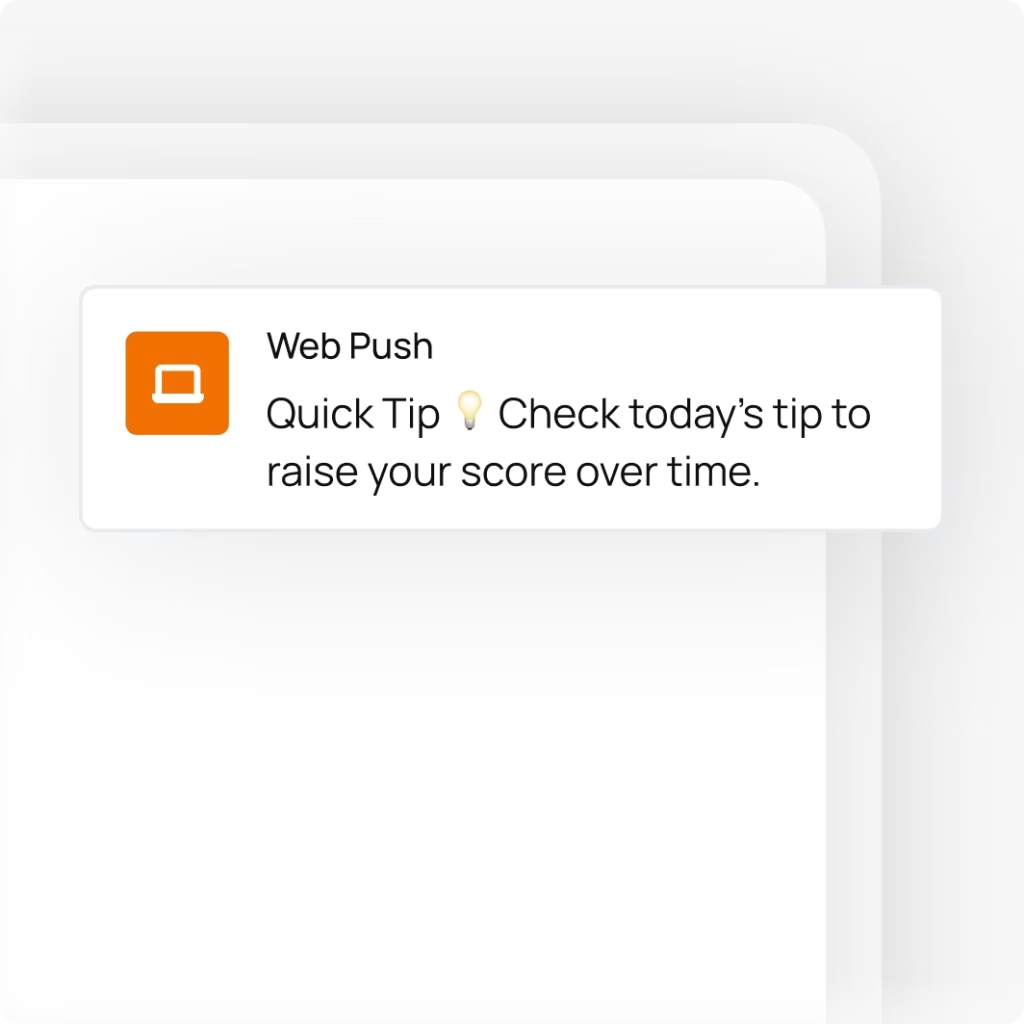
Consideration
02
Guide potential customers through decision-making with personalized, multi-channel experiences that reduce friction and build trust at scale.
- 35% faster journey to purchase
- 60% reduction in pre-purchase questions
- 25% higher consideration-to-purchase conversion
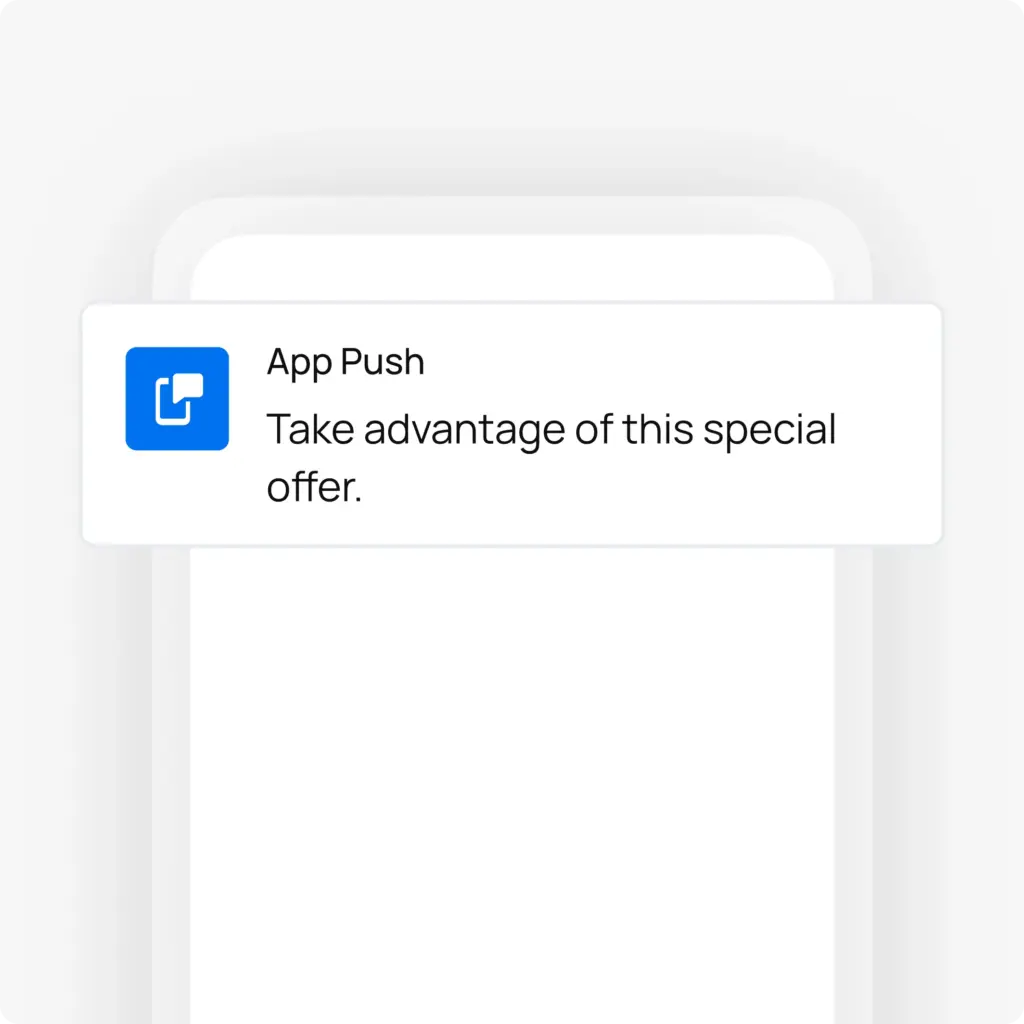
Purchase
03
Remove last-minute hesitations and drive confident buying decisions with perfectly timed, multi-channel reassurance and convenience.
- 20% reduction in cart abandonment
- 40% faster checkout completion
- 15% larger average order value
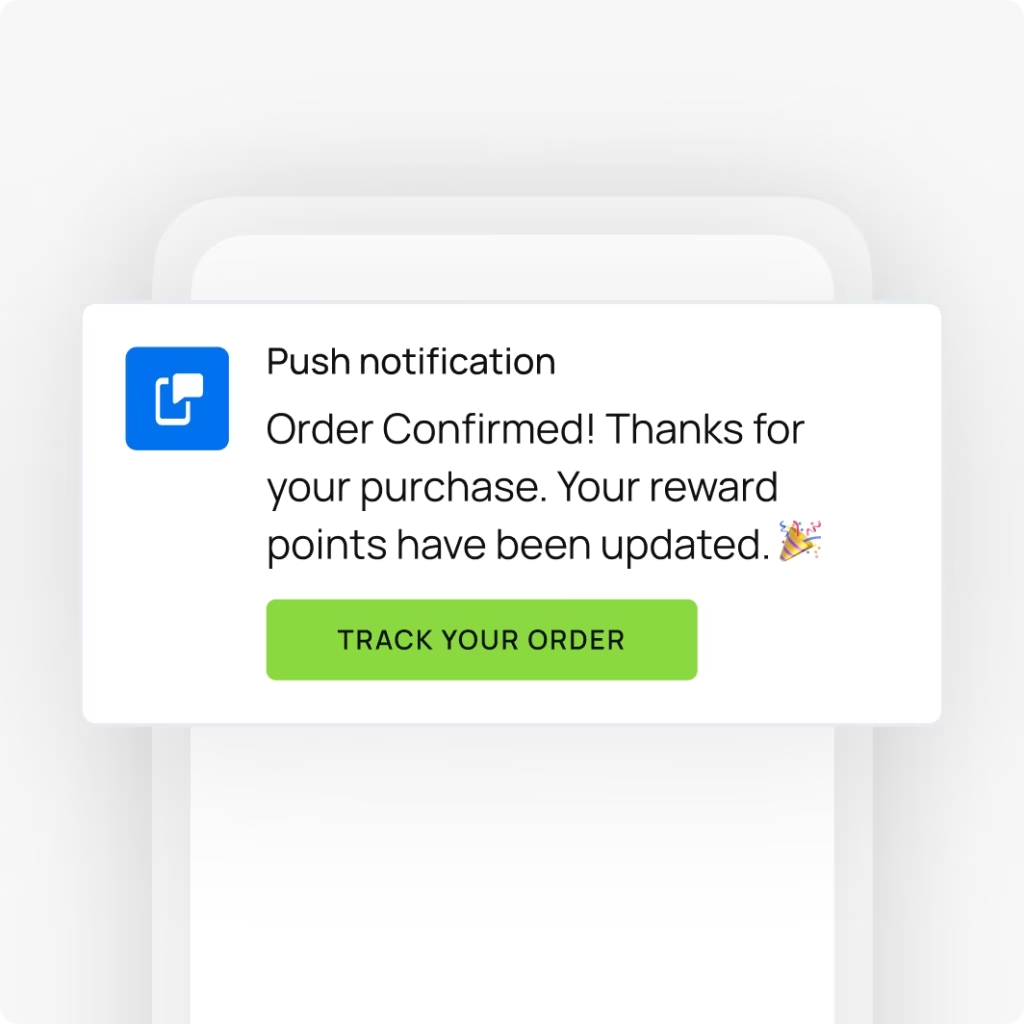
Support and Retention
04
Deliver exceptional post-purchase experiences that reduce churn, drive repeat purchases, and transform customers into brand ambassadors.
- 30% increase in repeat purchase rate
- 50% faster issue resolution time
- +30% increase in NPS and user satisfaction
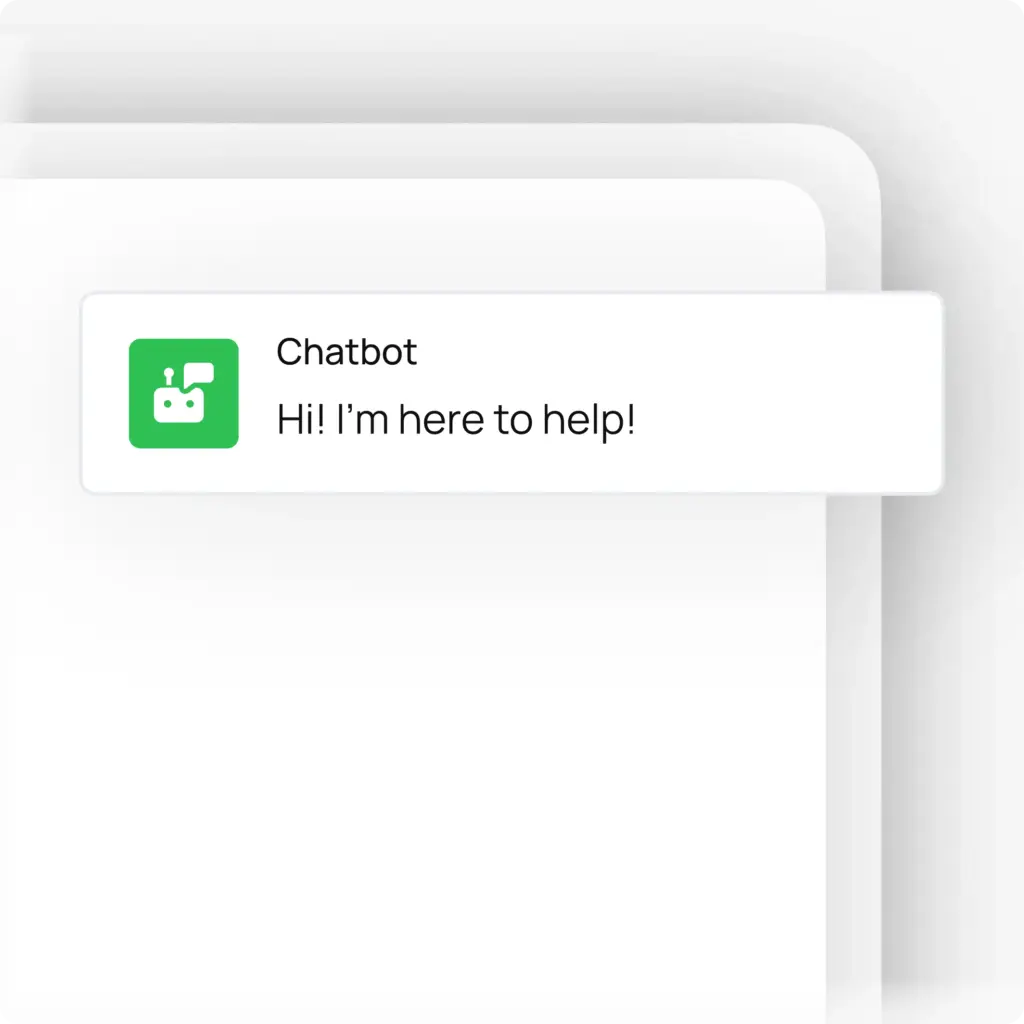
Seamless Integrations
Connect indigitall With Your Favorite Tools
Creating seamless experiences that turn every customer interaction into a meaningful connection and lasting growth.

Hubspot
Seamless integration to enhance HubSpot workflows with push notifications.

Salesforce
Integration with Salesforce Marketing Cloud for omnichannel campaigns.

WhatsApp Business API
Automated and personalized conversations. Integration for customer service, marketing, and sales
More about the customer lifecycle
How do you reactivate a customer who bought once and never came back?
With indigitall, inactivity is defined with profile data. An aggregated field computes values such as the date of the last purchase or the number of purchases in a period from the purchase event, and a Customer Journey with a filter lets in whoever meets the condition.
With the date filter and re-entry turned on, the system checks the conditions every ten minutes.
| Situation | Signal in indigitall | What the journey does |
|---|---|---|
| Bought once and never came back | Aggregated field with the date of the last purchase | Enters after the number of days without a purchase that you set |
| May unsubscribe from push notifications | Churn prediction: high, moderate or low risk, recalculated every week | A different message for each risk level |
| A contract end, a renewal or a birthday is coming | A date field in the profile | Sends the message as many days before or after as you choose |
How do you avoid overwhelming customers with messages from several channels?
With indigitall, the control sits in the Customer Journey itself.
- An event node removes anyone who already clicked or bought from the flow before the next send;
- in date-based journeys, a one-day check interval keeps someone from getting the same message several times in one day, and the maximum number of entries limits how often it repeats;
- and Best Time sends each push at the hour that person is most likely to click, between 8 a.m. and 9 p.m. in their local time.
| Risk | Control in indigitall |
|---|---|
| Reminding someone who already responded | Push click, email, SMS or chat nodes: if they responded, the journey changes route |
| Repeating the same message | A maximum number of entries and a one-day check interval in date-based journeys |
| Sending on the wrong day | Ignored weekdays: the send moves to the next day |
| Calling at the wrong hour | AI Voice best practice: no outbound calls between 9 p.m. and 8 a.m. in the recipient's local time |
How do you know whether customer retention is improving?
With indigitall there are two views.
The business view is built with aggregated fields in the CDP, such as each customer's purchases in a period, and with Customer Journey statistics.
The push view arrives in the weekly and monthly reports, with the retention curve of devices registered in the last 12 weeks and the evolution of unsubscribe risk; cohorts group users by the week they subscribed to push.
| Question | Data | Where you see it |
|---|---|---|
| Do people who went through the journey buy again? | Aggregated field with each customer's purchases, and the journey CSV | CDP and journey statistics |
| Is the push audience holding up? | Retention curve and cohorts by sign-up week | Weekly and monthly reports, and cohort analysis |
| Who is at risk of unsubscribing from push? | High, moderate or low risk | Churn prediction filter |
FAQs: customer lifecycle marketing with indigitall
What are the TCPA quiet hours for contacting customers?
Federal rules under the TCPA bar telephone solicitations to residential subscribers before 8 a.m. or after 9 p.m., local time at the called party's location (47 CFR 64.1200(c)(1)). For SMS, US carriers require a registered 10DLC campaign or a verified toll-free number with documented opt-in. In indigitall, the send time, time zone and ignored days of a journey help keep sends inside those limits.
How many messages should a welcome or reactivation campaign have?
There is no number that fits everyone, so with indigitall you test it. A random paths node splits users between sequences of different lengths, the AI-driven Best Path node rolls out the best-performing one to the rest, and per-node statistics show the step where people drop off. As a starting point, the documentation suggests a welcome sequence across in-app, email and push.
Can you upload lists of active and inactive customers and treat them differently?
With indigitall, yes. A Customer Journey can start from a contact list or a CSV file, and a filter on a customer field, such as their status or the date of their last purchase, sends each group down a different route. After a first CSV upload of customer fields, synchronization with your CRM keeps them up to date.
Can you send a message a few days before a date in the customer's profile, such as a contract end?
With indigitall, yes. The date filter uses a date field in the profile, such as a subscription end or a birthday, and sends the message as many days before or after as you choose; the documentation's example is seven days before a subscription ends. In date-based journeys, set a one-day check interval so the message is not repeated.
