indigitall Omni AI
  Start chat with AI agent
 Speak with AI voice agent
 Book a Demo

 Speak to an Expert












What Is Behavioral Targeting? A Complete Guide to Drive Growth
May 26, 2026



What Is Behavioral Targeting (And Why Should You Care)?
Today, your customers are overwhelmed. They’re bombarded with generic emails, irrelevant push notifications, and one-size-fits-all promotions that get instantly dismissed. This constant stream of digital noise has created a hyper-selective audience that rewards relevance and punishes impersonal broadcasting.
This is where behavioral targeting changes the game. It’s the strategic antidote to generic marketing, allowing brands to deliver highly attuned, personalized experiences based on concrete user actions. It’s a fundamental shift from marketing based on assumptions to marketing based on observed intent.
Simply put, behavioral targeting is the practice of segmenting and engaging with users based on what they do, not just who they are. It moves beyond static demographics (like age or location) and focuses on dynamic behavioral data: pages viewed, products added to a cart, features used in your app, or previous purchase history.
The core benefit is transformative. You stop shouting mass messages into the void and start orchestrating meaningful, one-to-one conversations across your entire digital ecosystem. This approach, which is the foundation of a true Omnichannel Customer Journey, naturally leads to dramatically higher engagement, stronger loyalty, and a significant lift in conversions.
In this complete guide, we’ll give you the framework to master this powerful strategy. We will explore:
- The core mechanics of how behavioral targeting works, from data collection to activation.
- Key benefits that directly impact your bottom line, including increased ROI and customer lifetime value (LTV).
- Real-world examples across different channels, including App Push, Web Push, and WhatsApp Business.
- A step-by-step playbook for implementing a sophisticated behavioral targeting strategy using a marketing automation platform.
How Behavioral Targeting Works: A 3-Step Process
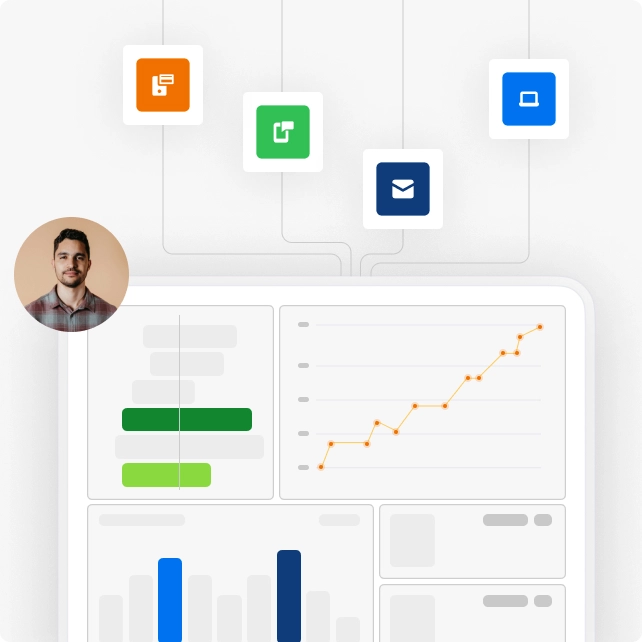
At first glance, behavioral targeting can seem like a complex web of data points and algorithms. However, in 2026, the process has been streamlined by sophisticated marketing automation platforms. The core logic breaks down into a clear, three-stage cycle: Collection, Segmentation, and Activation.
Think of it as a continuous loop. You listen to what your customers do, understand what it means, and then respond in a relevant and timely manner. An integrated platform like indigitall manages this entire lifecycle from a single console, turning complex data into revenue-driving actions.
Let’s break down each stage.
Step 1: Data Collection & Aggregation
Everything starts with data. This is the foundation of your strategy, where you gather first-party behavioral signals from every customer touchpoint. This isn’t just about website clicks; it’s about building a complete, 360-degree view of user interactions across your entire digital ecosystem.
Key data sources include:
- Website & App Behavior: Pages viewed, products added to cart, features used, session duration, and searches performed.
- Communication Engagement: Opens, clicks, and interactions with Push Notifications, In-App Messages, and WhatsApp campaigns.
- Transactional Data: Purchase history, subscription status, average order value, and lifetime value (LTV).
- AI Agent Interactions: Questions asked, support tickets resolved, and topics discussed with your generative AI chatbots.
The crucial element here is aggregation. A unified platform eliminates data silos by consolidating these signals into a single customer profile, ensuring you’re acting on a complete and accurate picture of every user.
Step 2: Segmentation & AI-Powered Analysis
Raw data is just noise. The second stage is where you translate that data into actionable intelligence through segmentation. This involves grouping users into distinct audiences based on their shared behaviors, interests, and intent.
While manual segmentation is still valuable (e.g., “Users who abandoned their cart in the last 24 hours”), the real power in 2026 lies in AI. Modern platforms use predictive analytics and machine learning to create dynamic segments automatically, such as:
- Predictive Churn Risk: Identifying users whose behavior indicates they are likely to disengage soon.
- Likely to Convert: Highlighting prospects who are showing strong buying signals but haven’t yet purchased.
- High LTV Potential: Finding new users who share behavioral traits with your most valuable existing customers.
Within the indigitall console, these intelligent segments allow you to move beyond reactive marketing and start proactively engaging users before they even act.
Step 3: Activation & Omnichannel Orchestration
This is where insight becomes impact. Activation is the process of delivering a personalized message, offer, or experience to a specific segment on the most effective channel. This is the heart of a true Global Omnichannel Strategy.
For example, you can orchestrate a sophisticated Customer Journey:
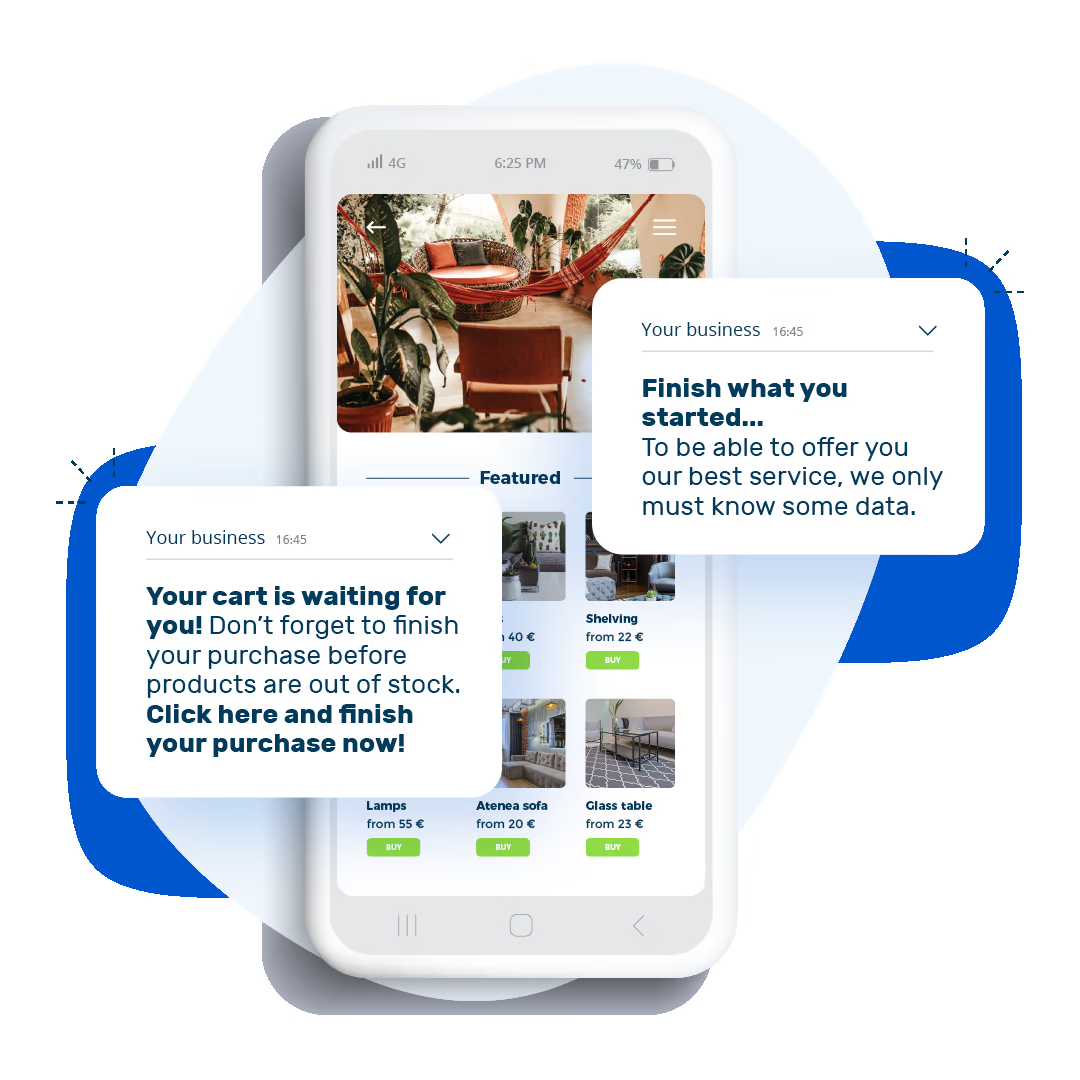
- A user in your “cart abandoner” segment first receives an interactive App Push Notification with an image of the item left behind.
- If they don’t convert, a follow-up message is sent via WhatsApp Business 24 hours later, perhaps with a limited-time free shipping offer.
- Simultaneously, the next time they visit your website, a Web Push or banner can remind them of their pending items.
By connecting all three stages on one platform, you create a seamless and context-aware experience. You aren’t just sending messages; you’re orchestrating a conversation that adapts to customer behavior in real-time, driving engagement and maximizing conversion across your entire digital footprint.
Step 1: Data Collection & Aggregation
The foundation of any successful behavioral targeting strategy in 2026 is a robust and ethical data collection framework. This initial step is about understanding the digital body language of your audience by capturing key interaction signals across your entire ecosystem.
Effective data collection focuses on first-party data—information you gather directly from your audience on your owned digital properties. This has become the gold standard for privacy-compliant and highly relevant marketing. The goal is to capture a wide spectrum of user actions to build a rich behavioral tapestry.
Key behavioral data points to collect include:
- Web & App Navigation: Specific pages visited, features used within your app, time spent on certain screens, and the sequence of their actions.
- Commercial Intent: Products viewed, items added to a cart (or abandoned), wish-listed products, and complete purchase history (frequency, value, category).
- Engagement Signals: Interactions with push notifications, email open and click-through rates, responses to WhatsApp Business messages, and topics discussed with your support AI Agents.
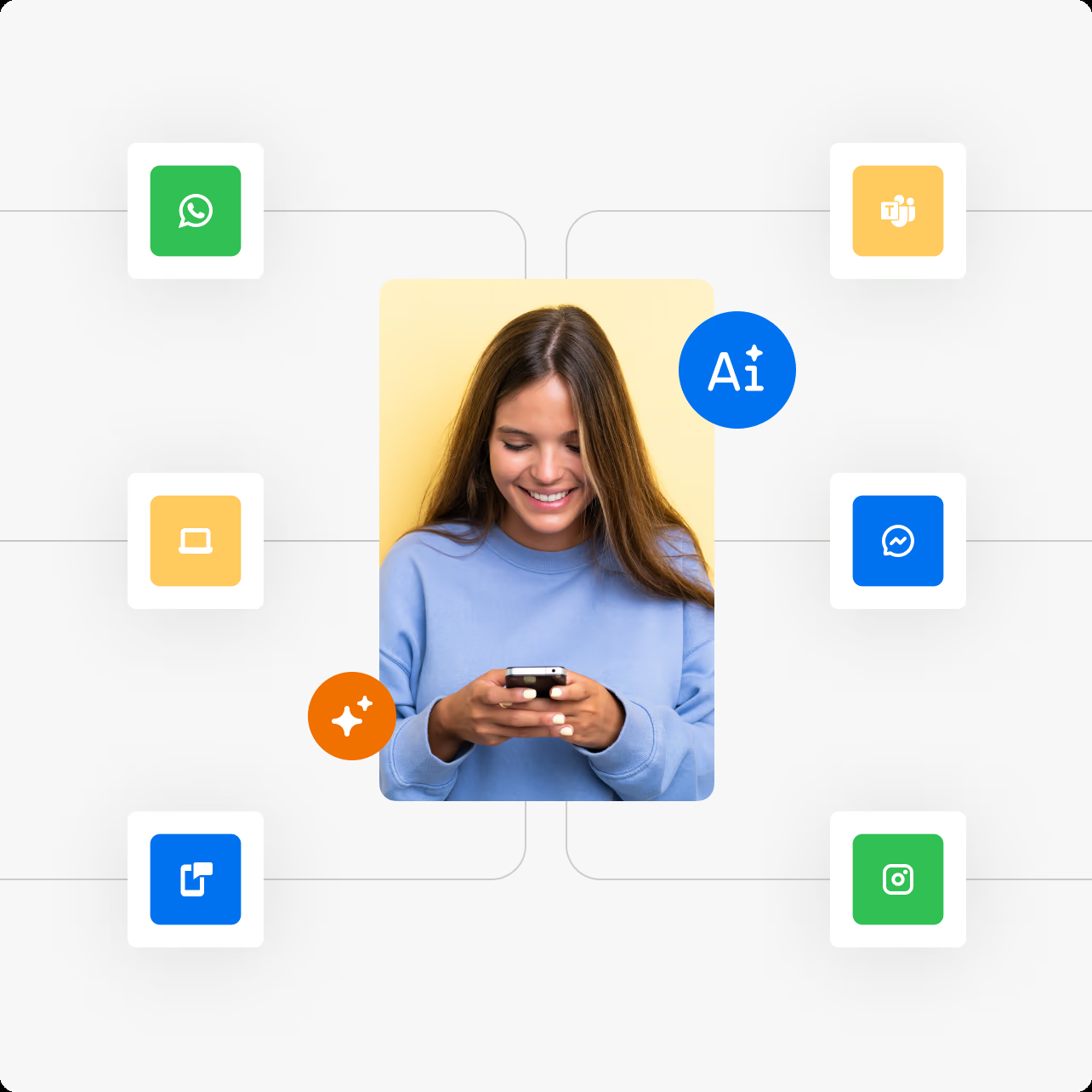
While technologies like SDKs in your mobile app and server-side tracking are the mechanisms for this collection, the strategic imperative is to break down data silos. A user’s interaction on your website, their activity in your app, and their conversation history on WhatsApp should not live in isolation.
This is where the concept of a unified customer profile becomes critical. The ultimate goal is to aggregate every touchpoint into a single, dynamic record for each user. This centralized view is the engine that powers a true Omnichannel Customer Journey, allowing you to orchestrate seamless, context-aware communication across all channels.
Step 2: Audience Segmentation
Once you have a reliable stream of behavioral data, the next critical step is segmentation. In the context of 2026, this goes far beyond basic demographics. Behavioral segmentation involves grouping users into dynamic audiences based on their shared actions, inactions, and patterns of engagement across your digital ecosystem.
This process is the bedrock of personalization. Instead of sending a generic message to your entire database, you create highly relevant, contextual experiences that resonate with specific user mindsets. A unified platform is essential here, as it allows you to consolidate behavioral signals from your website, mobile app, and WhatsApp channels into a single, actionable view of the customer within the indigitall console.
Effective segmentation turns raw data into strategic insight. Here are some powerful examples of behavioral segments you can build and activate:
- Frequent Buyers: Users who have made multiple purchases in the last 90 days. This segment is perfect for loyalty programs, early access to new products via a personalized App Push, or exclusive offers delivered through a Mobile Wallet pass.
- Cart Abandoners: A classic but crucial segment. These users have shown high purchase intent but failed to complete the checkout. A multi-step, omnichannel Customer Journey can re-engage them, starting with a web push reminder and escalating to a WhatsApp message with a limited-time shipping offer.
- High-Intent Browsers: Users who have viewed a specific product category or the pricing page multiple times but have not converted. You can target them with messages that overcome common objections, like highlighting a “buy now, pay later” option or showcasing customer testimonials.
- High-Engagement App Users: This group frequently opens your app, uses key features, and spends significant time browsing. They are your brand advocates. Engage them with requests for reviews, beta-testing invitations for new features, or exclusive in-app content.
- Recent Support Interactions: Users who have recently contacted customer support. This is a delicate and vital segment. A follow-up message a few days later asking for feedback not only improves service but shows that you value their experience, turning a potential negative into a loyalty-building moment.
Remember, these segments are not static. The power of a modern marketing automation platform like indigitall is its ability to move users in and out of these audiences in real-time as their behavior changes, ensuring your messaging is always perfectly timed and relevant.
Step 3: Automated Personalization & Delivery
Defining behavioral segments is a critical first step, but their true value is unlocked through immediate, automated action. In 2026, the gap between customer intent and brand response must be virtually zero. This is where rule-based automation and trigger-based marketing orchestration come into play.
The core of this step is a simple but powerful logic: IF a user’s behavior places them in a specific segment, THEN a predefined, personalized action is automatically triggered. This transforms your data from a static report into a dynamic engagement engine.
Consider the classic ‘Cart Abandoners’ segment. The automation flow in a modern omnichannel strategy could look like this:
- Trigger: A user in the “High-Value Shopper” segment adds items to their cart but does not complete the purchase within 60 minutes.
- Action 1 (After 1 hour): An automated Rich Push Notification is sent to their device, showcasing an image of the product they left behind with a gentle reminder.
- Action 2 (After 24 hours): If the cart is still abandoned, a WhatsApp Business message is delivered, offering a limited-time 10% discount to encourage completion.
- Action 3 (Next Website Visit): The user is greeted with a personalized hero banner on your homepage that links directly back to their abandoned cart.
This seamless sequence is a perfect example of a Global Omnichannel Strategy. The message adapts to the channel and the customer’s context, moving fluidly between App, WhatsApp, and Web. This level of sophisticated orchestration is nearly impossible to manage with separate tools for each channel.
By using a unified platform like indigitall, marketers can design and deploy these complex Customer Journeys from a single console. This eliminates data silos and ensures the customer receives a coherent, relevant experience, dramatically increasing the likelihood of conversion and maximizing lifetime value.
Behavioral vs. Contextual Targeting: What’s the Difference?
In the sophisticated marketing ecosystem of 2026, the terms “behavioral” and “contextual” are often discussed, but the crucial differences between them can get lost. Understanding this distinction is fundamental to building a powerful, privacy-compliant strategy that truly resonates with users. Let’s clarify the two approaches.
What is Contextual Targeting?
Contextual targeting is about matching your message to the environment a user is currently in. It focuses on the ‘where’ and ‘what’ of the moment, aligning content with the subject matter of the page, video, or app screen the user is viewing.
Think of it as placing an ad for premium running shoes within a digital magazine article reviewing the year’s best marathon gear. The placement is relevant to the content, not necessarily to the specific user’s past purchase history. It’s a powerful, privacy-forward method that gains relevance from the user’s immediate frame of mind.
What is Behavioral Targeting?
Behavioral targeting, on the other hand, focuses on the person, not the place. It leverages first-party data about a user’s past actions—pages viewed, products added to a cart, features used in an app, or previous purchases—to predict future intent and deliver a hyper-personalized message.
For example, a user who previously abandoned a shopping cart with a specific laptop is later sent a personalized App Push notification with a limited-time free shipping offer for that exact item. This message is relevant because of who they are and what they’ve done, regardless of what they are doing at the moment they receive it.
The Key Distinctions at a Glance
- Focus: Contextual targets a user’s current mindset based on the content they are consuming. Behavioral targets a specific individual based on their past digital footprint.
- Data Source: Contextual relies on keywords, topic analysis, and metadata of the page or screen. Behavioral is powered by rich, first-party user data collected across your digital assets.
- Timing: Contextual is about relevance in the “right now.” Behavioral is about building a profile over time to deliver relevance at the “right time.”
The Winning Strategy for 2026: A Hybrid Approach
The most successful brands no longer see this as an “either/or” choice. The future is about the intelligent synthesis of both. A truly effective Global Omnichannel Strategy uses contextual cues as a trigger for behaviorally informed messages.
Imagine a user who has previously browsed mortgage options in your banking app (behavioral data). When they later visit a financial news site and read an article about interest rate trends (context), that’s the ideal micro-moment to trigger a personalized WhatsApp message about locking in a competitive rate. This synergy is where true engagement happens.
Orchestrating this level of sophistication requires a unified platform that can connect behavioral data from across the entire Customer Journey—from web and app to mobile wallet and AI chat. By harmonizing these signals, you move beyond simple targeting to create a responsive, intelligent, and seamless customer experience that drives measurable growth.
Powerful Examples of Behavioral Targeting in Action
Behavioral targeting is more than a theoretical concept; it’s the engine powering the most relevant and profitable customer interactions in 2026. To make it tangible, let’s explore how leading brands across different industries are leveraging behavioral data to create seamless, high-impact experiences.
E-commerce: From Abandoned Carts to Loyal Customers
The e-commerce battlefield is won with personalization. A classic but crucial example is the abandoned cart Customer Journey. When a user adds an item to their cart but doesn’t check out, a sophisticated, automated sequence kicks in. This isn’t just one email anymore; it’s a true omnichannel flow.
- 30 Minutes Later: A Web Push notification appears on their desktop: “Still thinking it over? Your items are waiting.”
- 3 Hours Later: An App Push notification highlights a key benefit: “Enjoy free shipping on your order from [Brand Name]!”
- 24 Hours Later: A WhatsApp message arrives with a subtle nudge: “Hi [Name], the items in your cart are popular! Complete your purchase before they’re gone.”
Beyond recovery, behavioral targeting powers dynamic product recommendations (“Customers who bought X also loved Y”) and post-purchase upselling. By analyzing past purchase history and browsing behavior, brands can send hyper-relevant offers for complementary products, maximizing customer lifetime value.
Travel & Hospitality: Creating Urgency and Relevancy
The travel industry thrives on timing and context. Imagine a user spends ten minutes on your app searching for flights from Madrid to Tokyo for September. Their behavior triggers a series of targeted actions.
Later that week, they see a display ad featuring stunning images of Tokyo. The next day, your app sends a push notification: “Price Drop Alert! Fares to Tokyo for your dates have just decreased.” This transforms a passive search into an active booking opportunity by delivering timely, valuable information directly to their device.
Media & SaaS: Driving Adoption and Reducing Churn
For subscription-based businesses, engagement is everything. Behavioral targeting is key to guiding users toward the “aha!” moment that solidifies their loyalty. A SaaS platform might notice a new user hasn’t tried a valuable feature, like its AI-powered analytics dashboard.
Upon the user’s third login, a targeted in-app message can appear, offering a quick tutorial or highlighting a key benefit. This proactive guidance dramatically increases feature adoption. Similarly, a media outlet can track the topics a user reads most and dynamically customize their weekly email newsletter to feature more content on those subjects, creating a personalized content feed that feels indispensable.
Customer Support: Proactive, AI-Driven Assistance
By 2026, the best customer support is proactive, not reactive. Integrating your support strategy with behavioral data is a game-changer. Consider a customer who browses the “How to reset my password” FAQ page on your website but doesn’t take any action.
Instead of waiting for them to get frustrated and call, a behavioral trigger can initiate a proactive conversation. An AI Agent can send a WhatsApp message: “Hi [Name], we noticed you were looking at our password reset guide. Would you like me to help you start the process now?” This simple, automated interaction resolves issues before they escalate, elevating the entire customer experience.
Orchestrating these powerful, multi-channel Customer Journeys requires a unified platform that can connect behavioral data points and communication channels seamlessly. This is the core of a modern, global omnichannel strategy.
The Challenge: Privacy, Trust, and the End of Third-Party Cookies
As we navigate 2026, the digital marketing landscape has fundamentally transformed. The era of the third-party cookie is officially behind us, a shift driven by a powerful combination of consumer demand for privacy and landmark regulations like GDPR and CCPA that have long set the standard for data protection.
For years, the phase-out of third-party cookies by major browsers was the approaching storm on the horizon. Now, it is the established reality. Strategies that relied on tracking users across unrelated websites are no longer viable, leaving a significant void for brands that were slow to adapt their data architecture.
However, this shift should not be viewed as a limitation. Instead, it’s a powerful opportunity—a great reset for customer engagement. The new paradigm forces brands to move away from opaque tracking and towards building genuine, trust-based relationships directly with their audience.
The future of effective behavioral targeting is now anchored in a robust first-party and zero-party data strategy. This is the data your customers knowingly and willingly share with you through interactions on your owned digital properties—your website, mobile app, loyalty programs, and direct communication channels.
This is where a Global Omnichannel Strategy becomes mission-critical. The rich behavioral signals from an in-app search, a response to a WhatsApp campaign, or a click on a Web Push notification are invaluable. When unified, this consensual data provides a far more accurate and actionable view of customer intent than any third-party cookie ever could.
Orchestrating this new approach requires a platform capable of consolidating these disparate data points into a single customer view. The goal is to leverage your owned channels not just for messaging, but as the primary engine for collecting the high-quality data needed to power truly personalized and respectful Customer Journeys.
How to Build a Winning Strategy with Indigitall
Understanding the theory behind behavioral targeting is the first step. The next, more critical step, is putting that theory into action. In the privacy-first digital landscape of 2026, where third-party cookies are a relic of the past, your strategy must be built on a foundation of first-party data. This is precisely the environment indigitall was designed to thrive in.
Our platform isn’t just a tool; it’s a complete ecosystem for transforming customer insights into automated, revenue-driving actions. By unifying data collection, segmentation, and message orchestration into a single console, indigitall empowers you to build the sophisticated, real-time Customer Journeys that modern consumers expect.
Here’s how you can leverage the indigitall platform to build a winning behavioral targeting strategy:
- Unify Your First-Party Data: The journey begins with data. Seamlessly integrate behavioral signals from your app and website using our SDKs. Connect your CRM and other data sources via our flexible APIs to create a comprehensive, 360-degree view of every user within the indigitall console. No more data silos, only actionable intelligence.
- Build Dynamic, Behavioral Segments: Move beyond static lists. Use our powerful segmentation engine to group users based on real-time actions. Create segments like “high-value users who haven’t opened the app in 7 days,” “customers who viewed a specific product category three times this week,” or “users who abandoned their cart in the last hour.” These segments update automatically, ensuring your messaging is always relevant.
- Orchestrate a Global Omnichannel Strategy: A user’s context determines the best channel. With our Customer Journey builder, you can orchestrate communications across the entire digital landscape. Send an interactive App Push Notification with a new offer. If it’s not opened, follow up with a conversational message on WhatsApp Business. Greet them with a personalized In-App Message the next time they launch your app. This is true omnichannel engagement in action.
- Automate and Personalize at Scale: Trigger automated campaigns based on specific user behaviors. From abandoned cart reminders to onboarding sequences and loyalty rewards, you can design complex workflows that run 24/7. Leverage our generative AI tools to personalize message content, ensuring every communication feels unique and drives maximum conversion.
By centralizing these capabilities, indigitall provides a powerful framework to not only reach your customers but to understand and engage with them on a deeper level. It’s about creating a continuous, value-driven dialogue that boosts engagement and maximizes lifetime value.
Unify Inbound & Outbound Data in One Platform
Effective behavioral targeting in 2026 demands a radical shift away from the fragmented data models of the past. For too long, brands have operated with a split personality: marketing teams managing outbound campaigns and customer service teams handling inbound queries, with little to no data shared between them.
This siloed approach creates a disjointed customer experience. A customer’s true behavior isn’t just what they click in a marketing email; it’s also the questions they ask a support agent, the complaints they file, and the feedback they provide. To truly understand a user, you must see the entire conversation, not just half of it.
This is where the indigitall platform creates a significant competitive advantage. We designed our ecosystem from the ground up to unify these two worlds. Data from our generative AI Agents handling support on WhatsApp flows into the same customer profile that tracks engagement with your App Push notifications and web campaigns. It all lives in one place: the indigitall console.
The strategic power of this unified view is immense. Consider this scenario:
- A customer has a negative interaction with an AI Agent regarding a late order. This inbound, service-related event is immediately logged in their profile.
- A pre-scheduled marketing Customer Journey is set to send that same customer a promotional push notification an hour later.
- Instead of blindly sending the promotion and appearing tone-deaf, the indigitall platform recognizes the negative sentiment from the support interaction and automatically pauses the outbound marketing message.
This level of intelligent orchestration is impossible when your service and marketing tools don’t communicate. By bringing inbound and outbound data together, you move beyond simple behavioral targeting to create truly empathetic, context-aware experiences that build loyalty and maximize lifetime value.
Engage Users on Their Preferred Channel: Native WhatsApp
By 2026, transactional and promotional communication has decisively shifted towards conversational channels. While email and push notifications remain vital, WhatsApp has solidified its position as the premier channel for high-intent, personal interactions, boasting engagement rates that other platforms simply cannot match.
As a leading WhatsApp Business Solution Provider, indigitall empowers brands to move beyond simple broadcasts. Our platform connects your behavioral data ecosystem directly to the WhatsApp Business API, allowing you to trigger rich, automated conversations based on specific user actions across your app or website.
Imagine a user has viewed the “Premium Pro Camera” page three times in the last 24 hours but hasn’t added it to their cart. This behavior signals strong interest but also potential hesitation. Instead of a generic retargeting ad, you can orchestrate a more powerful, immediate interaction through the indigitall console.
- The Trigger: A user session ends after viewing a specific product URL more than twice without conversion.
- The Action: An automated WhatsApp message is sent: “Hi [Name], we noticed you’re interested in the Premium Pro Camera. It’s a fantastic piece of kit! Do you have any technical questions I can help you with right here?”
This single interaction transforms a passive browsing session into an active sales conversation, providing immediate value and overcoming purchase barriers in real-time. It’s a cornerstone of a modern, responsive Customer Journey.
This capability is most powerful within a Global Omnichannel Strategy. The decision to use WhatsApp isn’t made in a silo; it’s orchestrated alongside App Push, Web Push, and In-App messages. Having an all-in-one solution like indigitall ensures you can choose the perfect channel for each micro-moment without fragmenting your customer data or user experience.
Democratize Personalization with Accessible AI
In 2026, the power of predictive analytics and behavioral targeting is no longer confined to data science departments. The most effective strategies are those that empower marketing and CRM teams directly. This is the core principle behind indigitall AI, an intelligent layer built into our platform designed to make sophisticated personalization accessible to everyone.
Gone are the days of manually segmenting audiences for optimal send times. Our AI-driven predictive sending capabilities automatically analyze the unique engagement patterns of every single user. It determines the precise moment each individual is most likely to interact with your message, whether it’s an App Push, a WhatsApp notification, or a web alert, maximizing open rates and driving action.
Beyond timing, indigitall AI also accelerates content creation. Our integrated generative AI tools help you overcome creative blocks and scale your messaging. Within the indigitall console, you can instantly generate compelling copy, headlines, and calls-to-action tailored to different segments, ensuring your communication is always fresh and relevant.
This focus on accessibility dramatically reduces the time-to-value. Unlike legacy enterprise solutions that require months of integration and specialized expertise, our AI features can be activated with a few clicks. This empowers marketers to launch highly optimized Omnichannel campaigns that would have previously required significant technical resources, democratizing the ability to deliver truly one-to-one experiences at scale.
The Future of Marketing is Relevant and Respectful
We’ve explored the evolution of behavioral targeting, from basic segmentation to the sophisticated, AI-driven personalization that defines customer engagement in 2026. The takeaway is clear: understanding user context and intent in real-time is no longer a competitive advantage—it’s the standard for meaningful brand communication.
At its best, this strategy is a service to your audience. It transforms marketing from disruptive noise into a welcome signal, delivering relevant offers, timely support, and valuable content precisely when it’s needed most. This approach builds the trust and loyalty that are paramount in today’s privacy-first digital ecosystem.
The engine driving this relevance is a unified, first-party data strategy. The days of siloed information and fragmented customer views are over. Success now hinges on your ability to centralize behavioral data and activate it instantly across your entire technology stack.
This is where a true Global Omnichannel Strategy comes to life. It requires more than just a collection of tools; it demands a single, cohesive platform that can orchestrate a seamless Customer Journey. Imagine activating behavioral triggers from your app to instantly personalize a WhatsApp message, or using web browsing data to tailor the next Push Notification, all from one central console.
By connecting every touchpoint—from your website and mobile app to WhatsApp and digital wallets—you create a consistent and intelligent conversation with your customers. This level of orchestration is what turns behavioral insights into measurable outcomes like higher conversion rates, increased engagement, and maximized customer lifetime value.
Ready to turn user behavior into business growth? See how indigitall can unify your customer engagement. Book a demo today.