indigitall Omni AI
  Start chat with AI agent
 Speak with AI voice agent
 Book a Demo

 Speak to an Expert












Top Customer Engagement Tools: A Guide to Unifying Your Strategy
April 22, 2026



What Are Customer Engagement Tools (And Why Do They Matter More Than Ever)?
The era of one-way marketing broadcasts is officially over. In 2026, customers don’t just consume brand messages; they expect a seamless, two-way dialogue. The generic, megaphone approach has been replaced by the demand for hyper-personalized, real-time conversations that meet them on their preferred channels.
At its core, a customer engagement tool is any software platform designed to facilitate and manage these interactions across the entire customer lifecycle. This goes far beyond traditional marketing automation. It’s an ecosystem that includes:
- Communication platforms for Push Notifications, In-App Messages, Email, and SMS.
- Conversational commerce channels like WhatsApp Business and AI Agents.
- Customer Journey orchestration engines that trigger actions based on user behavior.
- Data and analytics suites that provide a 360-degree view of the customer.
The critical challenge most businesses face today isn’t a lack of tools, but a surplus of disconnected ones. A fragmented tech stack—where your email platform doesn’t talk to your app analytics, and your WhatsApp bot is unaware of a user’s purchase history—creates a disjointed and frustrating customer experience. This digital friction leads to lost revenue, inefficient teams, and a damaged brand reputation.
This guide is built on a clear thesis: the most effective strategy for 2026 is to move away from this digital patchwork and towards a unified engagement platform. By orchestrating a Global Omnichannel Strategy from a single console, brands can create seamless, context-aware Customer Journeys that drive conversions, boost loyalty, and maximize lifetime value.
The Main Categories of Customer Engagement Tools
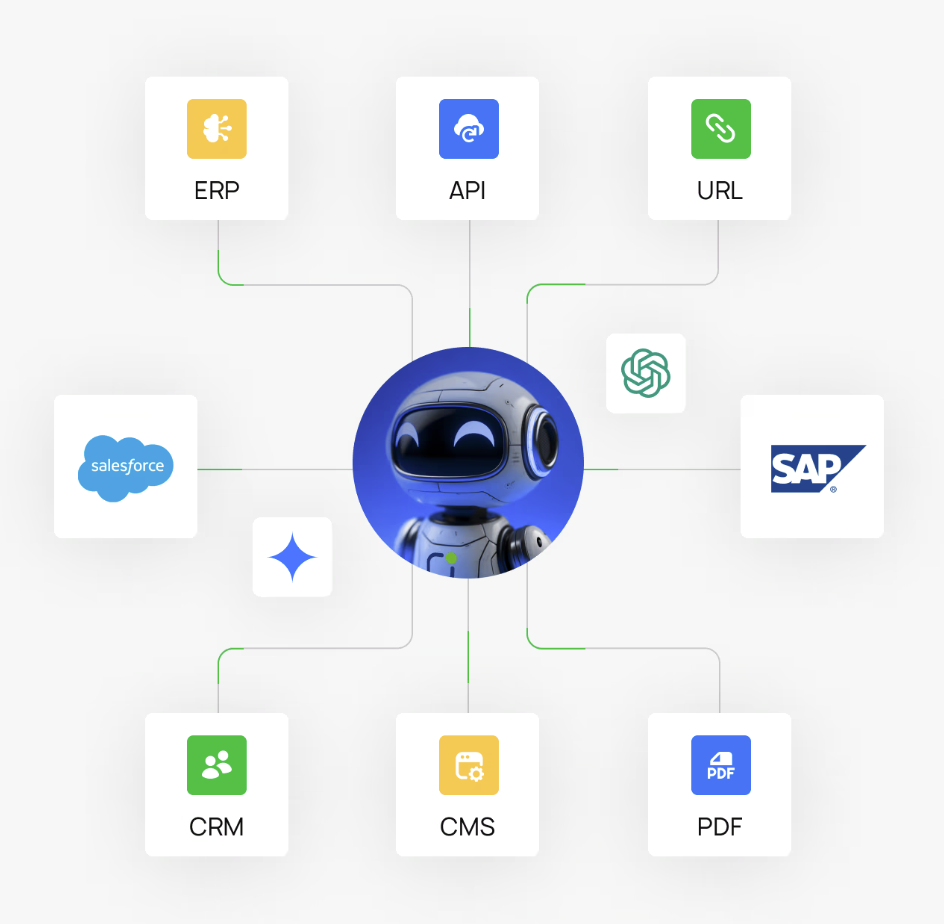
The digital engagement landscape of 2026 is a vibrant but complex ecosystem of specialized solutions. To orchestrate a truly seamless Customer Journey, it’s crucial to first understand the distinct roles these tools play. Grouping them into core categories reveals not only their individual strengths but also the inherent fragmentation that can hinder a truly unified strategy.
Viewing the market this way helps clarify why a single, integrated platform is no longer a luxury, but a strategic necessity. The primary categories can be broken down as follows:
- Communication & Messaging Platforms: These are the direct channels you use to reach your audience. This includes everything from classic App and Web Push Notifications to Email and SMS. Crucially, it now fully encompasses conversational channels like WhatsApp Business, which are central to any modern Global Omnichannel Strategy.
- Customer Data & Analytics Platforms (CDPs): This category represents the central nervous system of your strategy. These tools ingest, unify, and segment customer data from multiple sources to create a 360-degree view of the user. This rich data is the fuel for all meaningful personalization and analysis.
- Personalization & Orchestration Engines: Here, raw data is transformed into relevant, one-to-one experiences. Leveraging machine learning and generative AI, these engines tailor content, recommend products, and dynamically guide users through a predefined Customer Journey. They are responsible for the “what” and “when” of your communications.
- Customer Service & AI-Powered Support: This category has evolved far beyond traditional helpdesks. It is now dominated by sophisticated AI Agents and chatbots that provide instant resolutions, handle inquiries within messaging apps, and seamlessly escalate to human agents. They are a critical touchpoint for building trust and maximizing customer lifetime value.
While each category contains powerful tools, operating them independently creates data silos and a disjointed user experience. The ultimate goal is to dissolve the barriers between them, allowing data and insights to flow freely across a single, cohesive ecosystem to drive meaningful engagement.
1. Outbound & Marketing Automation Platforms
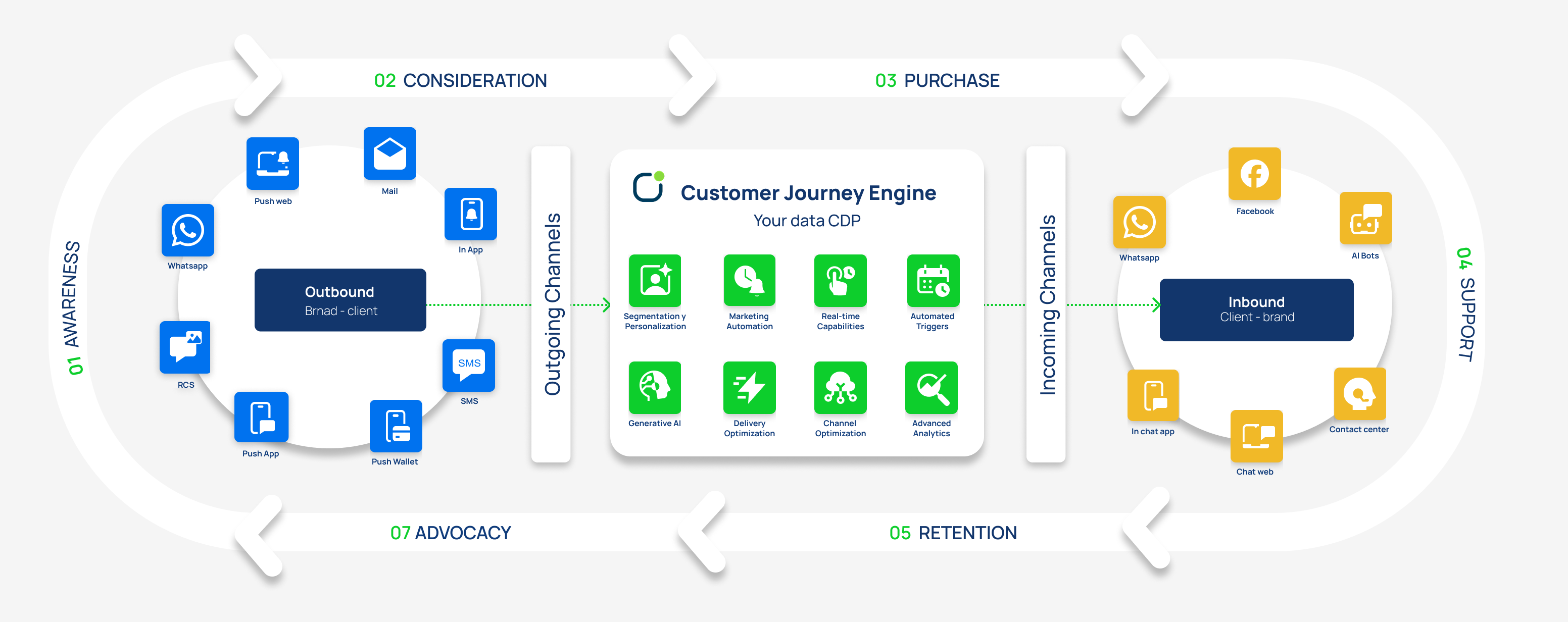
The foundation of any modern customer engagement strategy begins with Outbound and Marketing Automation platforms. In 2026, these tools are the primary engines for proactively reaching customers at scale, moving far beyond simple batch-and-blast campaigns to deliver personalized, timely messages that drive action and build brand affinity.
These platforms are designed to orchestrate communications across a wide array of digital touchpoints. The goal is to create a seamless Global Omnichannel Strategy that meets customers where they are most active. Key channels typically include:
- App Push Notifications: Rich, interactive messages sent directly to a user’s mobile device.
- Web Push Notifications: Browser-based alerts that re-engage users even when they are not on your website.
- Email Campaigns: The long-standing channel for detailed promotions, newsletters, and transactional updates.
- SMS Messaging: High-priority, direct-to-consumer messages for critical alerts and time-sensitive offers.
- WhatsApp Campaigns: Leveraging the world’s most popular messaging app for rich, conversational marketing.
Industry leaders like Braze and Insider have set a high standard, demonstrating the power of orchestrating massive, multi-channel marketing campaigns. They excel at segmenting audiences, triggering messages based on user behavior, and providing robust analytics on campaign performance.
However, a critical challenge has emerged as these platforms have matured. They are exceptionally good at starting conversations, but what happens when the customer replies? This is the crucial point where many well-designed Customer Journeys begin to fracture.
Often, a response to a promotional WhatsApp message or an interactive Push Notification has to be routed to an entirely different system—a separate live chat tool, a CRM ticketing platform, or a customer service console. This creates a disjointed experience for the customer and operational silos for your team, breaking the seamless flow of a truly unified conversation.
2. Inbound & Customer Support Platforms
While proactive engagement is crucial for growth, the reactive side of the customer experience—addressing inbound inquiries and support issues—is equally vital for retention. Inbound and customer support platforms are the specialized toolsets designed to manage these conversations efficiently and at scale.
The core features of these systems have become highly sophisticated by 2026. They typically include robust Live Chat for real-time human assistance, powerful AI Chatbots powered by generative AI for instant resolutions, and comprehensive Ticketing Systems that track and manage customer cases from initiation to closure.
Industry leaders like Zendesk or NICE have perfected the art of issue resolution. Their platforms are engineered to decrease response times, increase first-contact resolution rates, and boost overall customer satisfaction scores. Their primary focus is operational excellence in the realm of customer service.
However, this specialization often creates a critical data silo. Support platforms hold a treasure trove of zero-party data about customer frustrations, product questions, and service friction points. This invaluable intelligence is rarely connected to the marketing and engagement tools that orchestrate proactive communication.
This disconnect is a significant barrier to a true Global Omnichannel Strategy. A customer who just spent 20 minutes in a support chat on WhatsApp about a billing error should not receive a generic promotional App Push five minutes later. This lack of context makes the brand appear disjointed and damages the customer relationship.
The next evolution in customer engagement is the integration of these two worlds. A truly unified platform understands that a support ticket is a critical event in the Customer Journey. It can automatically pause promotional messages and instead trigger a follow-up or a satisfaction survey, turning a reactive support moment into a proactive, relationship-building opportunity.
3. CRM & Customer Data Platforms (CDPs)
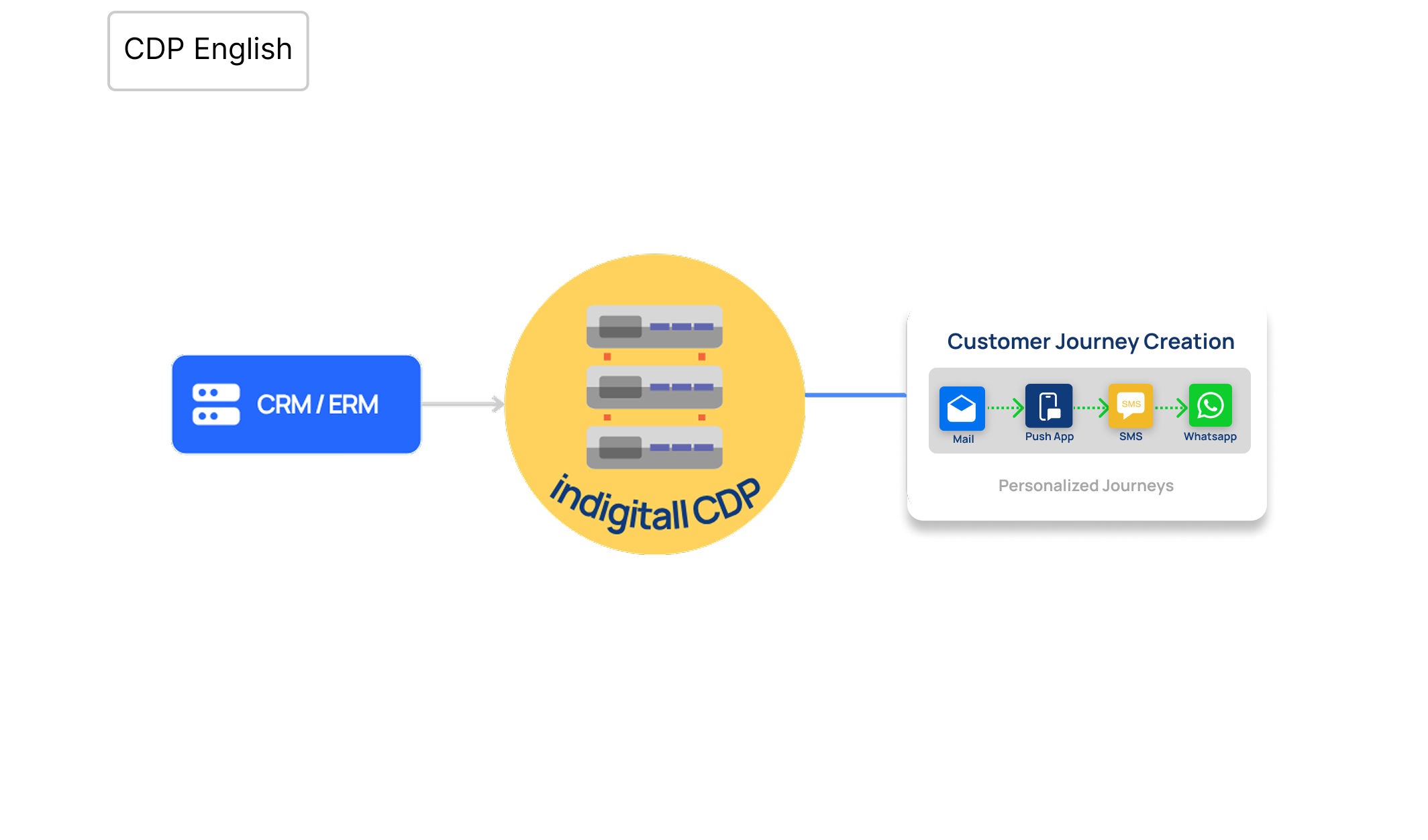
At the heart of any modern customer engagement strategy lies the central repository for data: the Customer Relationship Management (CRM) system or a more agile Customer Data Platform (CDP). In 2026, these platforms serve as the undisputed single source of truth, aggregating every touchpoint, purchase history, and user preference into a unified customer profile.
Think of your CRM or CDP as the strategic brain of your entire operation. Industry-leading systems like Salesforce or HubSpot are masters at storing, segmenting, and analyzing vast amounts of customer information, providing the critical intelligence needed for deep personalization.
However, a brain needs a voice and hands to execute its plans. While these systems are brilliant at holding the ‘what’ and the ‘who,’ they rely on specialized engagement tools to manage the ‘how’—the actual communication and interaction across your digital ecosystem.
This is where the challenge of a true Global Omnichannel Strategy comes into focus. Your CDP knows a customer abandoned their cart, but how do you act on that insight? Orchestrating a timely push notification, a helpful WhatsApp message, or a dynamic in-app reminder is what turns data into revenue.
Therefore, the most effective tech stacks in 2026 are those that tightly integrate their data core with a powerful communication and automation engine. This synergy transforms static data into dynamic, real-time Customer Journeys, eliminating the friction between intelligence and action.
The ‘Frankenstack’ Problem: Why Your Siloed Tools Are Hurting Your Business
In the competitive digital landscape of 2026, many marketing teams find themselves managing a “Frankenstack”—a monstrous collection of disparate, poorly integrated tools bolted together over time. One platform for email, another for web push, a separate provider for WhatsApp Business, and yet another for AI chatbots. While each tool may be powerful on its own, they rarely communicate effectively.
This lack of integration creates a disjointed ecosystem where customer data is fragmented and siloed. The result is a chaotic and frustrating experience for the very people you’re trying to engage, ultimately undermining your entire customer strategy and hurting your bottom line.
Imagine this common scenario: A loyal customer purchases a new smartphone through your app. The very next day, they receive a web push notification offering a 15% discount on the exact model they just bought. A week later, your support chatbot on WhatsApp has no record of their purchase when they ask a question about it. This isn’t just a minor inconvenience; it’s a direct consequence of a broken tech stack.
The negative impacts of a Frankenstack extend far beyond poor user experience. They create significant operational and financial drains on your business:
- Fragmented Customer Journeys: When your tools don’t share data, you cannot orchestrate a seamless, logical Customer Journey. This leads to mistimed messages, irrelevant offers, and a complete breakdown in personalization, which severely damages customer loyalty and lifetime value.
- Inconsistent Brand Voice: Each siloed tool often has its own template and logic, making it nearly impossible to maintain a consistent brand tone across your Global Omnichannel Strategy. Your brand can sound friendly on email but robotic on WhatsApp, eroding trust.
- Escalating Costs and Inefficiency: Managing multiple vendor contracts, subscriptions, and renewal dates is a financial and administrative burden. More importantly, the hidden cost of relying on IT and development teams to build and maintain fragile, custom integrations is immense and unsustainable.
- Blocked Strategic Agility: In 2026, speed to market is critical. A Frankenstack makes launching a cohesive campaign across multiple channels a slow, complex, and manual process. Instead of innovating, your teams are stuck troubleshooting broken connections and syncing data.
Moving beyond this model is no longer optional. To truly drive engagement and conversion, brands must embrace a unified platform that provides a single source of truth for all customer interactions, allowing for the effortless orchestration of truly intelligent and personalized Customer Journeys.
The Solution: A Unified Platform to Rule Them All
For years, marketers have wrestled with a “Frankenstack” — a chaotic assembly of disconnected tools for email, push, SMS, and social. This patchwork approach creates data silos, inconsistent customer experiences, and operational nightmares. In 2026, this model is no longer just inefficient; it’s a direct barrier to growth.
The strategic antidote is a single, unified customer engagement platform. This is not about finding one tool that does everything “okay,” but about adopting an integrated ecosystem designed for seamless orchestration. This is where a purpose-built platform from indigitall redefines what’s possible, moving you from fragmented tactics to a holistic engagement strategy.
Adopting a unified approach delivers transformative benefits that are essential for competing in today’s digital landscape:
- A True 360-Degree Customer View. When all your channels—from App Push and Web Push to WhatsApp Business and Mobile Wallet—operate within a single platform, you eliminate data fragmentation. Every interaction informs the next, allowing for hyper-personalized Customer Journeys that feel intuitive and relevant to each user.
- Seamless Omnichannel Orchestration. A unified platform empowers you to design and automate complex Customer Journeys from a single interface, the indigitall console. You can trigger a WhatsApp message based on an abandoned web cart or follow up an in-app action with a rich push notification, ensuring a consistent and context-aware conversation on the channel your customer prefers.
- Embedded AI and Automation. The most advanced platforms in 2026 have AI at their core. This means leveraging generative AI to craft compelling message variations, using predictive analytics to optimize send times for maximum impact, and deploying intelligent AI Agents on channels like WhatsApp to handle queries and drive conversions 24/7.
- Reduced Complexity and Increased ROI. Consolidating your tech stack into one powerful platform reduces vendor management overhead, streamlines team training, and lowers the total cost of ownership. More importantly, it accelerates your time-to-market for new campaigns and drives higher customer lifetime value through smarter, more cohesive engagement.
Ultimately, the goal is to stop managing channels and start orchestrating experiences. A unified platform makes this vision a practical reality, providing the foundation for a truly customer-centric digital transformation.
Benefit 1: Combine Inbound & Outbound Communication
The marketing and support silos of the past are a critical liability in 2026. Today’s customers don’t see a distinction between a promotional message and a support query; they see one continuous conversation with your brand. A truly effective engagement platform must be built to manage this unified reality.
This is a core differentiator for the indigitall platform. While many tools focus exclusively on either outbound campaigns or inbound service tickets, our ecosystem is architected to seamlessly manage both within a single, powerful console. This capability is the backbone of a true Global Omnichannel Strategy, turning one-way messages into two-way dialogues.
Consider this common Customer Journey:
- Outbound Promotion: A banking customer receives a targeted WhatsApp message about a new high-yield savings account, sent via an automated campaign from the indigitall console.
- Inbound Query: Intrigued, the customer replies directly in the same WhatsApp thread: “What’s the minimum deposit and can I link my existing checking account?”
- Seamless Resolution: An indigitall-powered AI Agent instantly understands the intent, provides the required information, and offers a link to start the application. If the query were more complex, the conversation could be escalated to a human agent who sees the entire interaction history, all without the customer ever leaving the app.
By unifying inbound and outbound streams, you eliminate friction, accelerate resolution times, and capitalize on customer interest at the peak moment of intent. This transforms a simple notification into a powerful, revenue-generating conversation, all orchestrated from a single platform.
Benefit 2: Leverage Native WhatsApp Leadership
In 2026, a “WhatsApp integration” is a common feature, but the depth and quality of that integration vary dramatically. Many platforms offer superficial connections—essentially ‘wrappers’ over the basic API that create latency, limit functionality, and break easily when new features are released. This approach simply doesn’t meet the demands of a modern enterprise engagement strategy.
indigitall is built on a true native integration with the WhatsApp Business API. This means our platform communicates directly with the source, ensuring higher reliability, enterprise-grade security, and superior performance. It eliminates the fragile middle layers that cause delays and errors, providing a robust foundation for your most critical customer conversations.
This native leadership gives you a significant competitive advantage: accelerated access to innovation. While others are still catching up, our clients are already deploying the latest WhatsApp features like dynamic product carousels, seamless in-chat payment gateways, and advanced list messages. You get the newest tools to drive conversion the moment they become available, not months later.
Crucially, this powerful WhatsApp capability doesn’t exist in a silo. It is a cornerstone of your Global Omnichannel Strategy, orchestrated seamlessly from the indigitall console. You can design a Customer Journey that starts with a Web Push, continues with an in-app message, and then transitions to a rich, AI-driven conversation on WhatsApp, all within one unified ecosystem. This is how you create truly connected experiences.
For brands serious about leveraging WhatsApp for both conversational marketing and real-time support, a native integration is non-negotiable. It’s the difference between simply sending messages and mastering a channel to build lasting relationships and maximize customer lifetime value.
Benefit 3: Democratize AI for Your Team
In 2026, the conversation around AI has shifted from potential to practical application. The challenge for most brands is no longer acquiring AI, but making it accessible and useful for the teams who need it most. Complex, resource-intensive enterprise AI projects are giving way to integrated, intuitive solutions that empower your existing talent.
This is the core of our philosophy at indigitall. We believe artificial intelligence shouldn’t be a black box managed by a separate data science team. Our platform is designed to democratize AI, putting powerful, easy-to-use tools directly into the hands of marketers, CRM managers, and customer support agents through the indigitall console.
Consider these practical applications that your teams can deploy today:
- Predictive Sending Orchestration: Instead of relying on generic send times, our AI analyzes individual user behavior patterns across all channels. It determines the optimal moment to deliver a Push Notification, a WhatsApp offer, or a web message to maximize the probability of engagement for each specific user. This elevates your Customer Journey from a static workflow to a dynamic, hyper-personalized interaction.
- Generative AI for Support Agents: Empower your customer service team with AI-assisted responses. When a customer query arrives via a channel like WhatsApp Business, our generative AI suggests accurate, on-brand, and context-aware replies. This dramatically cuts down resolution times, ensures a consistent brand voice, and allows your human agents to focus on high-value, complex problem-solving.
The true advantage lies in integration. Because these AI capabilities are native to the indigitall platform, the insights are immediately actionable. There’s no need to export data or manage a separate system; the intelligence that powers your predictive sending is the same intelligence that helps you optimize your entire Global Omnichannel Strategy, creating a seamless and constantly learning customer engagement ecosystem.
How to Choose the Right Customer Engagement Platform
Selecting the right technology partner in 2026 is one of the most critical decisions your brand will make. The market is saturated with options, but a truly effective platform goes beyond a simple feature list—it acts as the central nervous system for your entire customer experience. As you evaluate solutions, use these critical questions to separate the true innovators from the legacy players.
- Does it unify both marketing and support conversations in a single ecosystem?Your customers don’t see departments; they see one brand. A platform that forces you to manage promotional campaigns in one tool and support conversations in another creates a disjointed and frustrating experience. The future is a unified console where a Customer Journey can seamlessly transition from a marketing message on WhatsApp to a support resolution with an AI Agent, all within the same conversation thread.
- How deep are its integrations with critical channels like WhatsApp Business?In 2026, a surface-level API connection is no longer sufficient. You need a platform with deep, native integrations that unlock the full potential of each channel. Ask if you can deploy rich media, interactive product carousels, and collect payments directly within WhatsApp, or orchestrate a Global Omnichannel Strategy that connects App Push notifications to a personalized Mobile Wallet pass without custom code.
- Can my non-technical teams build and launch campaigns without developer dependency?The key to agility and a fast Time-to-Value is empowerment. Your marketing and CRM teams should be able to design, test, and deploy sophisticated omnichannel Customer Journeys using intuitive, visual builders. A platform that requires constant developer intervention creates bottlenecks and slows down your ability to react to market changes.
- Does it offer practical AI features that drive efficiency and personalization?The initial wave of AI hype has passed. Today, the focus must be on tangible results. Look for platforms that embed generative AI to help your team craft more effective push notification copy, use predictive analytics to identify at-risk customers, and deploy intelligent AI Agents to automate resolutions for common support queries, freeing up your human team for high-value interactions.
- Is the pricing model transparent, scalable, and cost-effective?Many legacy enterprise giants lock you into complex, opaque contracts that penalize growth. A modern partner should offer a clear, transparent pricing model that scales with your success. An all-in-one solution like indigitall provides comprehensive, enterprise-grade functionality without the prohibitive cost and complexity, ensuring a superior return on investment.
Choosing your customer engagement platform is a long-term strategic decision. Prioritize a partner that offers not only powerful technology but also the agility and innovation to help you lead your industry for years to come.
Conclusion: Stop Juggling Tools, Start Building Relationships
The landscape of customer engagement in 2026 is clear: the era of the disjointed, multi-vendor “marketing stack” is over. We’ve moved beyond the challenge of simply acquiring channels and into the sophisticated art of orchestrating them into a single, coherent conversation.
Juggling separate tools for Web Push, App Notifications, WhatsApp Business, and AI-driven chat creates data silos and fragmented Customer Journeys. This not only burdens your teams with inefficiencies and rising costs but, more critically, it delivers a disjointed experience to the very people you’re trying to connect with.
A truly unified platform, like the one offered by indigitall, dismantles these silos. It transforms your strategy from a series of disconnected campaigns into a genuine, ongoing dialogue. This is the foundation of a Global Omnichannel Strategy, where every touchpoint is informed by the last, creating experiences that feel personal, relevant, and effortless.
By consolidating your engagement efforts, you achieve more than just operational simplicity. You unlock:
- Unprecedented Efficiency: Your team works faster and smarter from a single interface—the indigitall console—to design, launch, and analyze every Customer Journey.
- Significant Cost Savings: Reduce subscription bloat and complex integration fees by partnering with a single, comprehensive solution provider.
- Superior Customer Experiences: Deliver the right message on the right channel at the perfect moment, boosting loyalty and maximizing lifetime value.
The future of digital transformation isn’t about adding more tools; it’s about leveraging the right, integrated ecosystem to build lasting customer relationships. It’s time to focus on the conversation, not the complexity of your technology.
Ready to ditch the Frankenstack? Schedule a demo to see how indigitall’s unified customer engagement platform can transform your customer conversations.