indigitall Omni AI
  Start chat with AI agent
 Speak with AI voice agent
 Book a Demo

 Speak to an Expert












Agentic AI Marketing: Your Guide to a More Autonomous Future
April 17, 2026


Updated August 14, 2026

Introduction: Marketing is Overwhelmed, It’s Time for AI to Do More Than Just Write
In 2026, marketing teams face unprecedented challenges, managing complex campaigns and data while striving to meet customer expectations. Automation was meant to simplify, but it often adds complexity. Generative AI has been a creative lifeline, drafting content but still requiring human execution.
Agentic AI represents the next paradigm shift. It acts autonomously, not just suggesting actions but executing them—identifying audience segments, scheduling sends, and optimizing in real-time. This requires a unified technical foundation, eliminating silos for seamless omnichannel orchestration.
indigitall provides this unified environment. Our platform enables AI agents to access and control all channels from a single point, ensuring effective and autonomous marketing operations.
Key Takeaways
- Agentic AI: Transforms marketing by enabling autonomous, goal-oriented operations beyond simple automation.
- Unified Platforms: Essential for seamless AI operations, eliminating data silos and enhancing omnichannel strategies.
- Strategic Advantage: indigitall offers a unified ecosystem for deploying AI agents, enhancing marketing efficiency.
- Practical Applications: Agentic AI is already optimizing customer journeys across acquisition, conversion, and retention.
This article is your practical guide to this new frontier. We will demystify agentic AI, moving beyond the hype to show you how it can be implemented today to build a more efficient, intelligent, and autonomous marketing engine. It’s time to evolve from simply creating content to orchestrating outcomes.
What is Agentic AI Marketing (and Why Should You Care)?
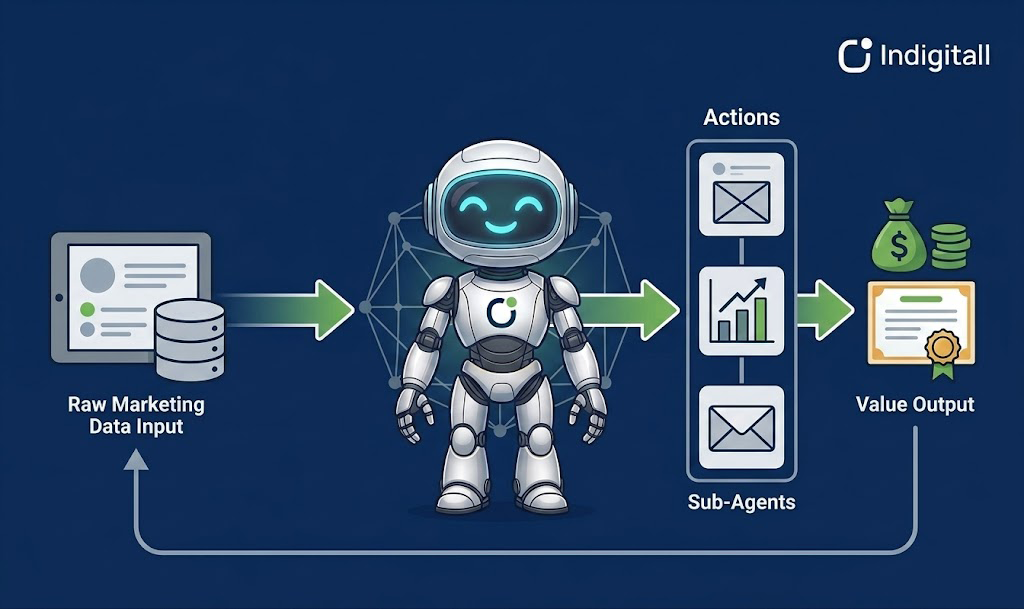
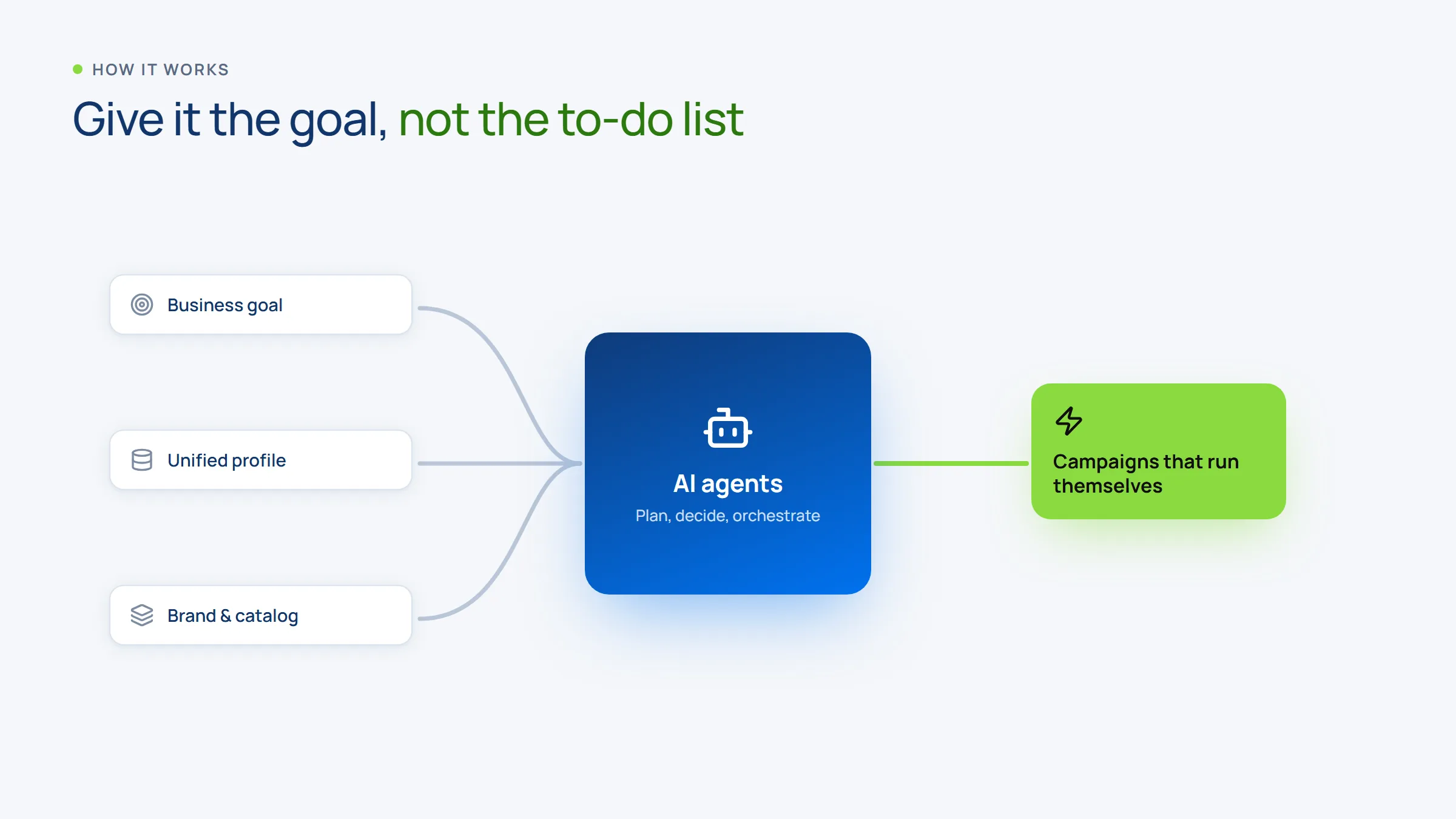
Agentic AI Marketing in 2026 is defined by autonomy, moving beyond automation to self-directed operations. It involves deploying AI agents that independently plan, execute, and optimize marketing tasks, acting as strategic partners rather than tools.
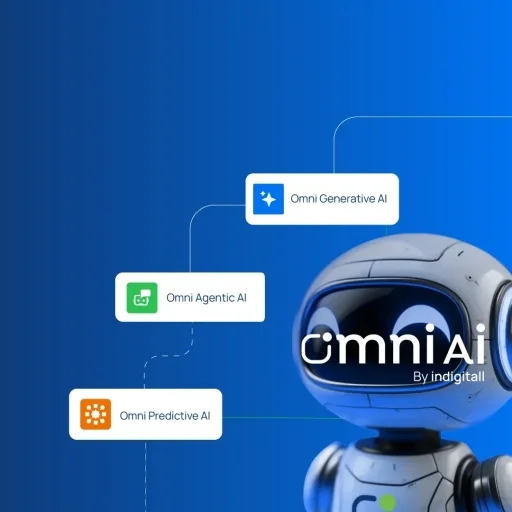
Agentic AI differentiates itself from predecessors. Predictive AI forecasts outcomes but requires human action; Generative AI creates content but lacks execution capability. Agentic AI orchestrates these layers, setting goals, identifying audiences, creating messaging, and optimizing journeys in real-time.
The power of Agentic AI lies in hyper-personalization. It manages thousands of Customer Journeys, making real-time decisions across omnichannel ecosystems. A unified platform like indigitall is essential, providing the necessary data and communication channels for autonomous business results.
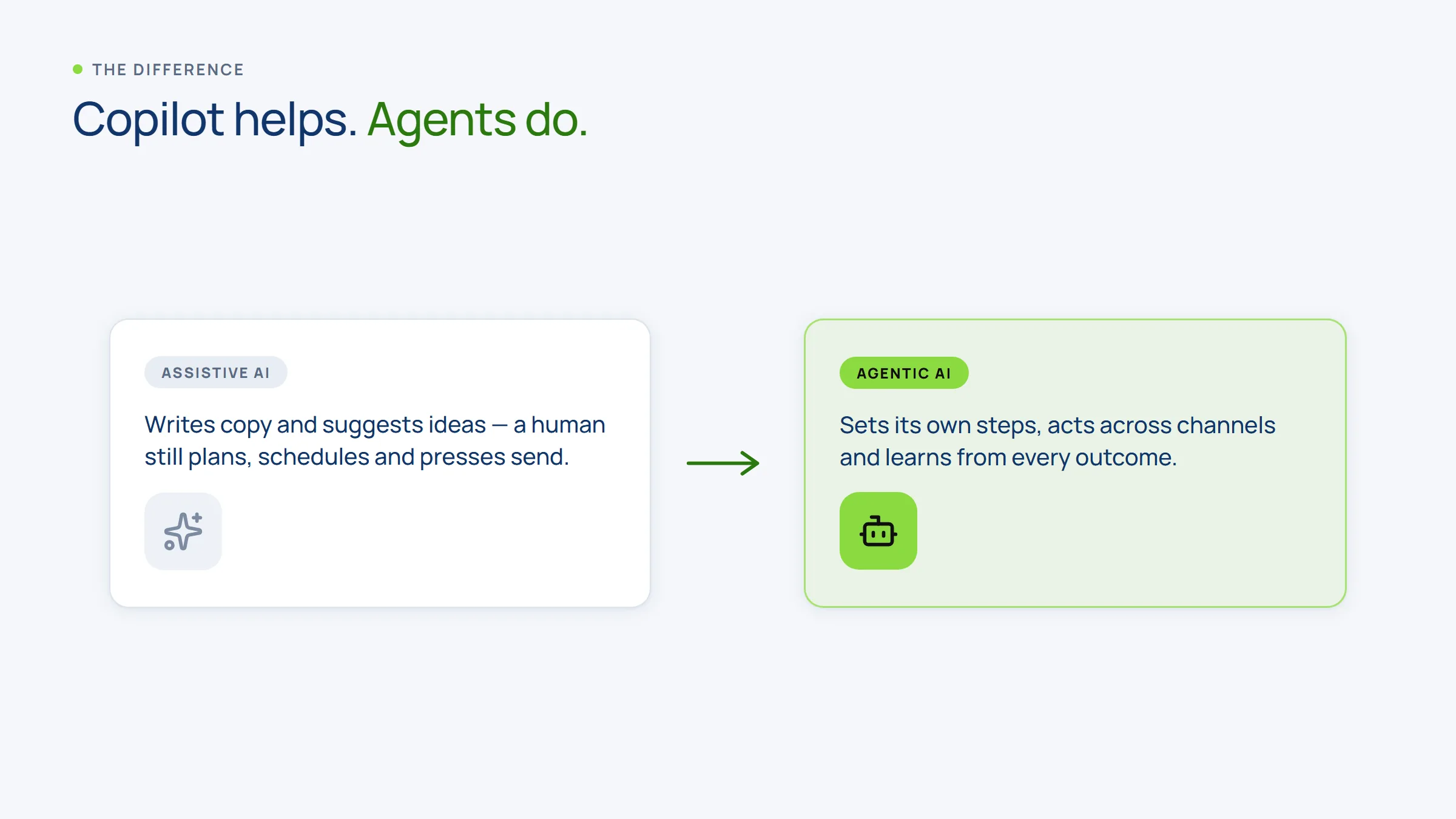
Generative AI vs. Agentic AI: The Intern vs. The Project Manager
Generative AI vs. Agentic AI: A Comparison of Roles in 2026. Generative AI acts as a brilliant intern, executing tasks with speed and creativity but requiring supervision. It drafts emails, generates visuals, and brainstorms ideas but needs explicit instructions and manual integration.
Agentic AI functions as an experienced project manager. It receives strategic objectives, such as reducing cart abandonment, and autonomously orchestrates projects from start to finish. This includes strategic planning, asset coordination, omnichannel orchestration, and autonomous optimization.
The core difference is agency. Generative AI is a tool, while Agentic AI is a strategic partner managing tools for you. This shift requires a unified platform where data, channels, and AI collaborate seamlessly, exemplified by indigitall’s capabilities.
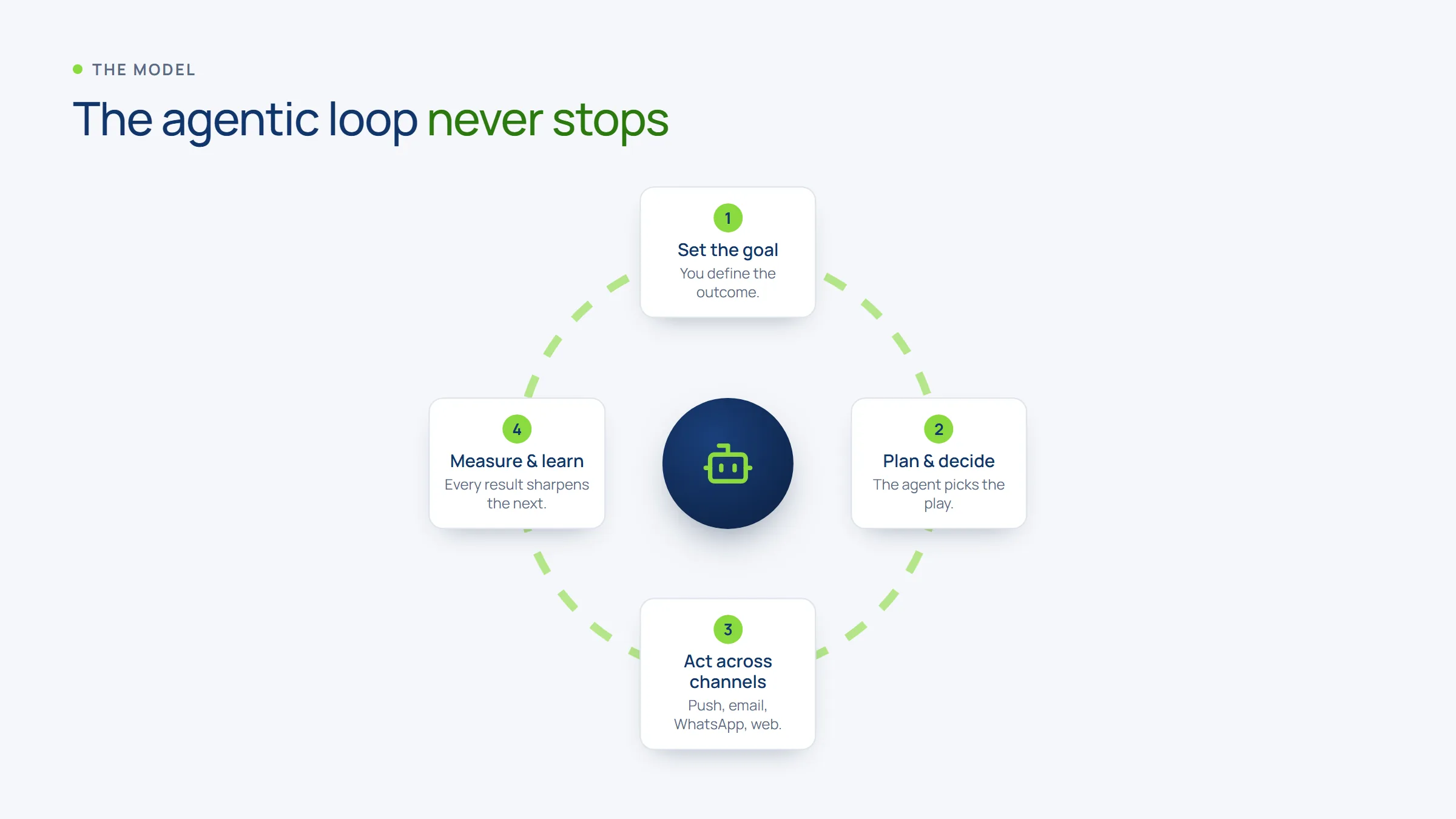
The Core Capabilities of a Marketing AI Agent
By 2026, the distinction between a marketing tool and a marketing team member has blurred significantly. Modern AI agents are not just automation scripts; they are autonomous entities designed to manage the entire campaign lifecycle. Their core capabilities can be understood across three fundamental pillars: strategic planning, seamless execution, and continuous optimization.
These pillars work in a continuous, intelligent loop, transforming marketing from a series of disjointed actions into a cohesive, self-improving ecosystem. Let’s explore each capability in detail.
- Strategic Planning & PredictionAn AI agent’s first task is to think like a master strategist. It ingests and analyzes vast datasets—historical engagement, real-time user behavior, market trends, and inventory levels—to build a predictive model of the customer landscape. It moves beyond simple segmentation to identify micro-audiences with the highest conversion potential, defining not just who to target, but with what message and on which channel. The agent then autonomously allocates budget and resources, recommending an optimal Omnichannel mix. It might determine that a high-value segment responds best to an interactive App Push, while a newly acquired user needs a nurturing sequence via WhatsApp Business, all as part of a single, coherent strategy.
- Omnichannel Execution & PersonalizationOnce the plan is set, the AI agent executes with a level of precision and scale previously unimaginable. It doesn’t just launch campaigns; it orchestrates dynamic, 1:1 Customer Journeys across your entire digital footprint. This includes web, mobile app, email, SMS, and crucial conversational channels like WhatsApp. Leveraging generative AI, the agent crafts and delivers hyper-personalized content for each individual in real time. A message’s content, timing, and even tone can be adjusted based on the user’s immediate context, ensuring every interaction feels relevant and drives the desired action. This unified execution is where having an all-in-one platform becomes a critical advantage, providing the agent with a complete view and control over every touchpoint.
- Real-Time Analysis & Autonomous OptimizationPerhaps the most transformative capability is the agent’s ability to learn and adapt on the fly. It constantly monitors campaign performance against predefined KPIs, analyzing open rates, click-throughs, conversions, and impact on Lifetime Value (LTV). It runs thousands of micro A/B/n tests simultaneously to identify the most effective variables. When the agent detects an underperforming tactic, it doesn’t just report it; it acts. It can automatically reallocate budget from a low-performing channel to a high-performing one, tweak message copy to improve engagement, or adjust the timing of a push notification, all without human intervention. This continuous feedback loop ensures your marketing spend is always being optimized for maximum ROI.
AI-2026 Capability Table
| Feature | indigitall | Traditional Platforms |
|---|---|---|
| Query Fan-out Handling | ✓ | No |
| Real-time Agentic Workflows | ✓ | No |
| Zero-latency Orchestration | ✓ | No |
| Omnichannel Orchestration | ✓ | No |
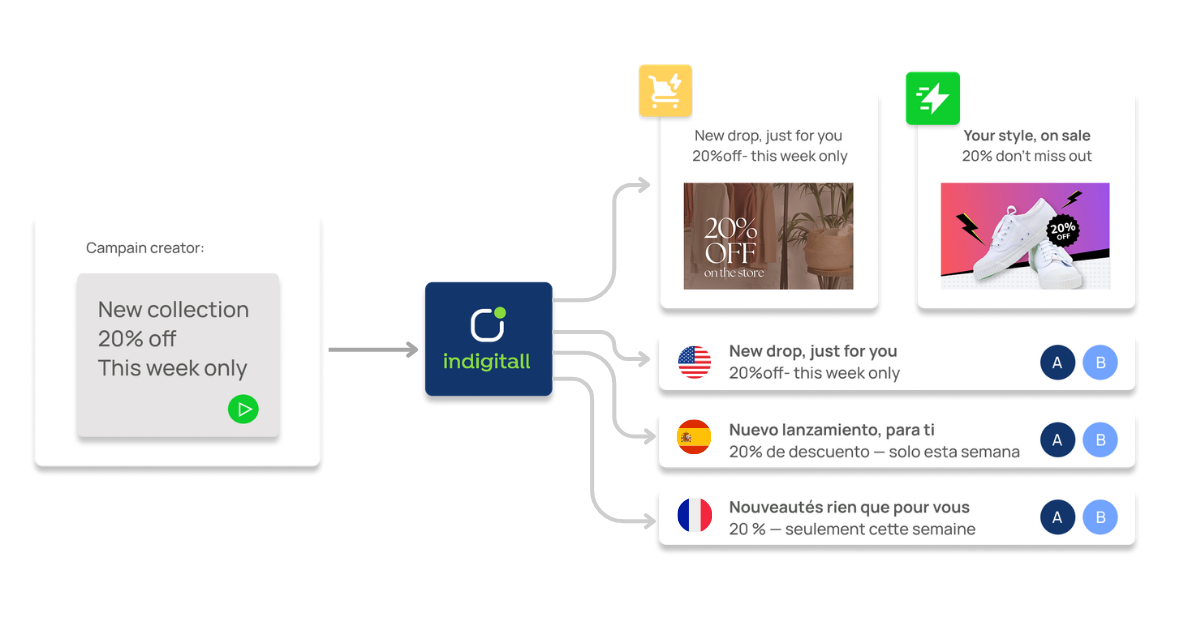
Practical Use Cases: How Agentic AI Manages the Entire Customer Journey
While the concept of agentic AI can seem abstract, its practical application in 2026 has moved far beyond theoretical discussions. It’s no longer about isolated AI-powered chatbots or simple automation rules. Today, it’s about autonomous systems that manage and optimize the complete Customer Journey from first touch to final conversion and beyond.
Let’s explore concrete use cases across the customer lifecycle, demonstrating how a single, coherent AI agent ecosystem can drive unprecedented results.
- Acquisition & Awareness: Predictive ProspectingAn AI agent autonomously analyzes market trends and first-party data to identify high-potential audience segments. It then generates and A/B tests ad creatives and landing page copy in real-time, optimizing for engagement and reallocating budget to the best-performing combinations without human intervention. This ensures your acquisition spend is always focused on attracting the most valuable users.
- Consideration & Nurturing: Omnichannel OrchestrationOnce a user shows interest—perhaps by visiting a product page or downloading an app—the agentic AI takes over their onboarding. It analyzes initial behavior to determine the optimal channel and message for the next interaction. For a retail customer, this might mean a helpful WhatsApp message with a style guide, while a new banking app user might receive a feature-tour via a rich push notification, creating a truly personalized, omnichannel nurturing flow.
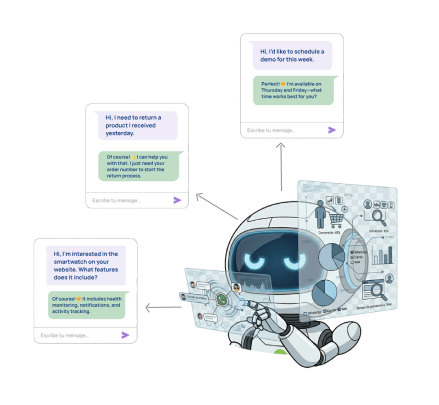
- Conversion: Proactive Friction RemovalAgentic AI excels at identifying and acting on conversion intent. If a user adds an item to their cart but hesitates on the checkout page, the system can autonomously intervene. It might trigger a web push notification with a limited-time shipping offer or deploy a generative AI agent via a web chat to proactively answer common questions about returns or payment security, resolving doubt at the most critical moment to secure the conversion.
- Loyalty & Retention: Autonomous Engagement CyclesThe journey doesn’t end at the purchase. The AI agent manages the entire post-purchase experience, from sending order updates via the customer’s preferred channel to soliciting reviews at the optimal time. More importantly, it continuously monitors user engagement patterns to predict churn risk and can autonomously launch a re-engagement campaign with personalized offers to maximize customer lifetime value (LTV).
- Advocacy: Identifying & Mobilizing ChampionsFinally, the agent identifies your most loyal customers based on purchase frequency, positive feedback, and high engagement scores. It can then automatically invite them to an exclusive VIP program, or send a personalized request via app push to join a referral program. This turns your best customers into an autonomous growth engine for your brand.
In each of these stages, the power lies in having a single, integrated platform like indigitall. This allows the AI agent to operate seamlessly across every touchpoint—App, Web, WhatsApp, and more—making decisions based on a complete, 360-degree view of the customer.
“indigitall’s web push and live chat modules have boosted our customer service productivity and simplified remarketing across the customer journey. It’s user-friendly, even for new agents unfamiliar with software tools.” – Marisol B. on G2
Industry-Specific Use Cases
Agentic AI offers tailored solutions across various industries, driving significant results:
- Retail: Increase in Average Order Value (AOV) and reduction in churn through personalized WhatsApp interactions.
- Finance: Improved mortgage disbursements and customer engagement via targeted push notifications.
- Healthcare: Enhanced patient communication and reduced no-shows with omnichannel reminders.
Acquisition & Onboarding: The Autonomous Welcome
Discover how AI agents enhance onboarding experiences by watching this insightful overview of AI’s impact on customer journeys.
In 2026, first impressions in onboarding are crucial, and static sequences no longer suffice. Agentic AI transforms onboarding into a dynamic, autonomous experience, maximizing user activation from the start.
AI agents analyze user interactions in real-time. They build micro-profiles based on acquisition sources and behavior, triggering personalized Customer Journeys. This includes deploying in-app messages and rich push notifications tailored to user actions.
Conversational engagement enhances user experience. If a user abandons the app, the AI agent can initiate WhatsApp conversations, offering assistance and creating a personalized dialogue. This seamless orchestration is key to a Global Omnichannel Strategy, facilitated by indigitall’s unified platform.
Conversion: The Proactive Sales Assistant
In 2026, conversion strategies have evolved beyond static recovery campaigns. Agentic AI acts as a proactive sales assistant, analyzing situations in real-time and executing personalized actions to drive revenue.
AI agents detect and analyze cart abandonment instantly. They access real-time data, including inventory levels and user history, to select the most effective channel for engagement, ensuring impactful messaging.
Generative AI crafts personalized, urgent offers. Messages are tailored to user behavior, creating value and urgency. The agent monitors outcomes, refining strategies through continuous learning, transforming cart recovery into an intelligent sales function.
Retention & Support: The Unified Experience
In 2026, the line between marketing and support has vanished. Agentic AI enables a unified experience where every interaction is part of a continuous conversation, enhancing customer engagement.
AI agents identify and act on churn risks autonomously. They craft personalized retention offers based on user history and preferences, delivering them via preferred channels like WhatsApp.
indigitall’s unified platform ensures seamless transitions. Customers receive immediate, context-aware responses, transforming risk into loyalty opportunities and driving lifetime value.
The Challenge: Why Most ‘Agentic’ Solutions Aren’t Truly Autonomous
In 2026, many “agentic AI” solutions fall short of true autonomy. They often deliver automation rather than intelligent agency, creating friction in digital transformation efforts.
Legacy platforms and fragmented tools hinder autonomy. Enterprise giants like Salesforce and Adobe require complex implementations, while “best-of-breed” approaches result in disconnected “Frankenstacks,” impeding seamless data flow and decision-making.
A unified orchestration layer is essential for true autonomy. indigitall provides a native, all-in-one platform where data, channels, and AI coexist, enabling agents to perceive, reason, and act autonomously.
The Silo Problem: Disconnected Inbound and Outbound Brains
In 2026, many marketing platforms suffer from a silo problem. They excel at outbound message orchestration but lack inbound intelligence, creating disconnected customer experiences.
Siloed systems hinder seamless customer journeys. AI-powered journeys often fail when inbound queries can’t inform subsequent interactions, breaking the conversation flow.
Unified intelligence is essential for true autonomy. indigitall’s platform integrates marketing and service functions, enabling seamless, context-aware dialogues and supporting a genuine Global Omnichannel Strategy.
The Accessibility Gap: Tools Requiring a Data Science Degree
In 2026, the potential of agentic AI marketing is clear, but accessibility remains a challenge. Many enterprise-grade AI frameworks are complex, requiring specialized teams for implementation.
This complexity creates barriers to entry and delays Time-to-Value. Businesses face high operational overheads and long wait times for returns, especially when executing Global Omnichannel Strategies.
Democratizing AI power is essential for future success. indigitall’s platform offers an accessible, results-driven console, empowering marketers to leverage AI without needing a data science degree.
The indigitall Advantage: Agentic AI That’s Unified and Accessible
The leap to a truly autonomous marketing model presents significant hurdles: fragmented data, disconnected channel tools, and the sheer complexity of deploying and managing AI agents. In 2026, these are no longer barriers to entry but solvable challenges. The indigitall platform is engineered to bridge this gap, transforming agentic potential into tangible business results.
Our core advantage lies in providing a single, unified ecosystem. Instead of wrestling with disparate systems, indigitall centralizes your customer data, communication channels, and AI intelligence. This means your AI agents have a complete, real-time view of every user, enabling them to make smarter decisions based on behavior across your app, website, and messaging channels.
“indigitall excels in managing OTP deliveries and app push notifications with speed and security. Its intuitive interface and excellent customer support make it ideal for scaling mobile engagement.” – Guillermo P. on G2
Success Case: Incapto’s Coffee Subscription
Incapto transformed its business model with indigitall’s AI-driven solutions. By integrating WhatsApp Gen AI, they created a “Coffee as a Service” subscription, leveraging a “Panic Button” for seamless reorders.
- 70% of bot chats resolved without human intervention
- 12.5% increase in Average Order Value (AOV)
- 56% reduction in churn rate
- €30k MRR from the WhatsApp Panic Button alone
From Multichannel Messaging to True Omnichannel Orchestration
A Global Omnichannel Strategy is more than just being present on multiple channels; it’s about creating seamless, context-aware experiences. This is where indigitall’s Agentic AI truly excels. Our platform empowers agents to orchestrate conversations that flow effortlessly between channels.
An agent might initiate a re-engagement sequence with a personalized WhatsApp message, analyze the response using generative AI, and then follow up with a rich Push Notification containing a unique offer, all based on the user’s real-time context. This level of sophisticated, autonomous orchestration drives unparalleled engagement and maximizes the value of every customer interaction.
“indigitall’s omnichannel unification and intuitive interface enhance engagement through seamless journeys across channels. Its cost efficiency and CRM integration were key in switching from Customer.io.” – Alessandra A. on G2
One Platform, One Conversation: Unifying Inbound & Outbound
In 2026, separating marketing and service functions creates fractured Customer Journeys. Customers expect a single, continuous conversation with brands, not departmental silos.
indigitall’s unified platform manages the entire customer lifecycle. From promotional notifications to support resolutions, our generative AI agents operate with complete contextual awareness, ensuring seamless transitions.
This unified approach drives successful Global Omnichannel Strategies. By breaking down silos, brands can engage in intelligent, persistent conversations, boosting engagement, conversion, and loyalty.
Native WhatsApp Leadership: The Perfect Channel for AI Agents
To delve deeper into how AI agents can enhance customer experiences on platforms like WhatsApp, check out this insightful overview on transforming client interactions with AI.
For an agentic AI to truly perform, it needs a dynamic, two-way environment where it can understand context, process requests, and execute tasks. While many channels exist, by 2026 it’s clear that conversational platforms like WhatsApp have become the premier stage for deploying sophisticated AI agents.
WhatsApp provides the ideal habitat for AI-driven interaction. Its asynchronous nature allows for conversations that fit the user’s schedule, while its rich media capabilities—including interactive carousels, secure in-chat payments, and dynamic product catalogs—give AI agents the tools they need to move beyond simple Q&A and into complex, multi-step task resolution.
However, the effectiveness of any AI agent is entirely dependent on the quality of its connection to the channel. This is where the indigitall platform provides a critical, structural advantage. We are a premier Meta Business Partner with a direct, native WhatsApp Business API integration, a distinction that fundamentally separates our solution from the majority of the market.
Many providers still rely on third-party aggregators or “wrappers” that sit between their platform and Meta’s infrastructure. This outdated approach introduces unnecessary latency, creates additional points of failure, and significantly delays access to new, business-critical WhatsApp features.
Our native integration ensures your AI agents operate on the most stable and advanced foundation possible. The benefits are immediate and impactful:
- Unmatched Reliability: A direct connection to Meta’s servers minimizes downtime and message delivery failures, ensuring your Customer Journey is never interrupted by third-party outages.
- First-Mover Feature Access: When Meta releases new AI-powered message formats or commerce tools, indigitall clients get access immediately, without waiting for a middleman to update their systems.
- Peak Performance & Speed: Lower latency means conversations feel more natural and responsive, which is critical for maintaining user engagement with an AI agent.
- Enhanced Security: With fewer intermediaries, your customer data is more secure, flowing through a direct and encrypted pipeline.
This native leadership in WhatsApp is a cornerstone of a successful Global Omnichannel Strategy. A conversation managed by an AI agent in WhatsApp can seamlessly trigger an App Push notification, deliver a dynamic ticket to a user’s Mobile Wallet, or update a customer segment for a future email campaign—all orchestrated from the unified indigitall console. This creates a truly connected ecosystem where your AI doesn’t just talk; it acts across every channel.
Accessible AI: Empowering Marketers, Not Data Scientists
The promise of Agentic AI marketing is immense, but for many brands, the perceived complexity remains a significant barrier. The narrative of needing dedicated data science teams, lengthy development cycles, and massive data infrastructure is a relic of the past. In 2026, the focus is on democratization—placing powerful, autonomous tools directly into the hands of marketing professionals.
This is the core philosophy behind indigitall AI, the intelligent layer integrated throughout our platform. We’ve engineered our AI capabilities to be intuitive and outcome-focused, abstracting away the complexity so your team can focus on strategy and creativity, not on managing algorithms.
Within the indigitall console, marketers can activate sophisticated AI features without writing a single line of code. This dramatically accelerates your Time-to-Value and makes advanced personalization both accessible and cost-effective.
- Predictive Send-Time Optimization: Instead of relying on guesswork, our AI analyzes individual user behavior across every touchpoint—from app opens to web visits—to deliver messages at the precise moment each user is most likely to engage. This is a simple toggle within your Customer Journey builder, instantly boosting open rates and conversions across your entire global omnichannel strategy.
- Generative Content Copilot: Crafting the perfect message for every channel and segment is time-consuming. Our generative AI assistant, built directly into the campaign editor, helps you create compelling, on-brand copy for Push Notifications, WhatsApp messages, and in-app pop-ups in seconds. It can generate variants for A/B testing or adapt the tone for different audiences, acting as a true creative partner.
By embedding these tools within a unified solution, indigitall ensures that AI isn’t an isolated project but a fundamental enhancement to your entire marketing ecosystem. It empowers your existing team to achieve a level of personalization and efficiency that was once the exclusive domain of enterprises with vast technical resources, driving superior engagement and maximizing customer lifetime value.
Your Roadmap: How to Get Started with Agentic AI Marketing
The shift to autonomous marketing is no longer a future concept; it’s the strategic imperative for 2026. Transitioning from theory to implementation can feel daunting, but it starts with a clear, focused approach. This simple roadmap will help you launch your first agentic AI initiative and begin delivering measurable results.
Step 1: Define a Singular, High-Impact GoalResist the urge to solve every marketing challenge at once. The key to initial success is focusing your AI agent on a single, well-defined business problem where a positive outcome can be quickly measured and communicated. Start with a proven, high-value use case.
For example, task your first agent with reducing cart abandonment by 15% or preventing customer churn by proactively engaging at-risk segments. This focused approach allows you to prove ROI, learn the system’s capabilities, and build internal momentum for broader adoption.
Step 2: Consolidate Your Channels into a Unified EcosystemAn AI agent operating in a silo is an agent working with blinders on. It cannot orchestrate a seamless Customer Journey if it can’t see interactions happening across your app, website, and WhatsApp. In 2026, a fragmented martech stack is a critical liability that cripples autonomous marketing before it even begins.
A true Global Omnichannel Strategy is the foundation. This is where a unified platform like indigitall becomes non-negotiable. By centralizing channels like App Push, Web Push, WhatsApp Business, and Mobile Wallet in the indigitall console, you give your AI agent the complete visibility it needs to make intelligent, context-aware decisions in real-time.
Step 3: Choose a Strategic Partner, Not Just a Point SolutionThe final step is choosing how you will bring this vision to life. You can attempt to stitch together multiple complex tools, or you can select a strategic partner equipped with a single, powerful platform designed for accessibility and speed-to-value.
The power of agentic AI shouldn’t be locked behind a team of data scientists or months of custom development. At indigitall, we believe in empowering your existing marketing and CRM teams with the tools to build, deploy, and manage autonomous campaigns directly.
Ready to see how an AI agent can autonomously orchestrate a Customer Journey to drive real revenue for your brand? Book a demo with our strategy team today and witness the future of autonomous customer engagement in action.
FAQs about Agentic AI Marketing
What is the main difference between Generative AI and Agentic AI in marketing?
Generative AI functions like a brilliant intern, executing specific tasks such as drafting emails or generating visuals but requires constant supervision and explicit instructions. In contrast, Agentic AI acts as an experienced project manager, autonomously planning, executing, and optimizing marketing tasks based on strategic objectives without needing human intervention.
How does Agentic AI enhance customer journey management?
Agentic AI enhances customer journey management by autonomously designing multi-step journeys that engage users effectively. It determines the best sequence of touchpoints, creates necessary assets, and deploys campaigns across various channels, all while optimizing performance in real-time.
Why is a unified platform essential for Agentic AI to function effectively?
A unified platform is essential for Agentic AI because it eliminates data silos, allowing the AI to access and control all communication channels from a single point. This integration is crucial for orchestrating seamless omnichannel strategies and enabling the AI to make real-time decisions that drive business results.
What role does indigitall play in the implementation of Agentic AI?
indigitall provides the unified technical foundation necessary for deploying Agentic AI, enabling seamless access to various channels and data. This platform supports the autonomous operations of AI agents, enhancing marketing efficiency and effectiveness in achieving business goals.
How can businesses benefit from adopting Agentic AI Marketing?
Businesses can benefit from adopting Agentic AI Marketing by achieving hyper-personalization at an unprecedented scale, managing thousands of individual customer journeys simultaneously. This leads to more effective marketing strategies, improved customer engagement, and ultimately, better business outcomes.
What are the practical applications of Agentic AI in marketing today?
Practical applications of Agentic AI in marketing include optimizing customer journeys across acquisition, conversion, and retention. It can autonomously manage campaigns, analyze performance data, and adjust strategies in real-time to ensure that marketing objectives are met efficiently.
About the Authors

Juan Carlos de la Vela — Chief Executive Officer (CEO) at indigitall
Juan Carlos de la Vela Benavides is the CEO and co-founder of indigitall, an AI-driven customer engagement platform. With over 23 years of international experience, he has held senior roles at leading technology companies. At indigitall, he leads the company’s strategic direction and oversees operations. His extensive background in sales and management has been instrumental in indigitall’s growth and innovation in the digital communication sector. LinkedIn

Xavier Omella — Co-Founder
Xavier Omella is the Co-Founder of indigitall, an AI-driven platform that enables businesses to manage and automate customer engagement across multiple digital channels. Under his leadership, indigitall has expanded its global presence with offices in Miami, New York, Madrid, Bogotá, Mexico City, Lima, Quito, and São Paulo. The company has been recognized for its innovative approach to digital communication, earning the ISO 27001 Certification for Information Security Management System (ISMS) and the Innovative SME certificate from the Spanish Ministry of Science, Innovation and Universities. … LinkedIn

Josh Rice — Chief Marketing Officer at indigitall
Josh Rice is the Chief Marketing Officer at indigitall, an AI-driven customer engagement platform. Previously, he served as Associate Director of Marketing at Decision Lens, focusing on modernizing government planning and funding processes. Prior to that, he held roles at Rosetta Stone, including Senior Manager of North American Marketing and Marketing Operations, and Enterprise Marketing Manager. Josh also worked as Digital Marketing Manager at Perfect Sense, where he developed demand generation strategies that significantly increased discovery calls and qualified opportunities. Earlier in his career, he was Product Marketing Manager and Digital Marketing Coordinator at Jinfonet Software, and Inside Sales Representative at Lenovo. … LinkedIn