indigitall Omni AI
 Start chat with AI agent
 Speak with AI voice agent
 Free demo

 Contact Sales











What is Consumer Targeting? A Complete Guide for 2026



What is Consumer Targeting? (And Why It Matters More Than Ever)
Today, consumer targeting is no longer just a marketing tactic; it’s the core engine of sustainable growth. At its heart, consumer targeting is the strategic practice of identifying and segmenting specific groups of people most likely to be interested in your product or service, and then tailoring your marketing messages directly to them.
This precision approach moves away from guesswork and towards data-driven decision-making. The entire strategy is built on the classic yet enduring STP model: Segmentation, Targeting, and Positioning. This framework guides brands to first divide a broad market into smaller, manageable segments, then select the most valuable segments to target, and finally, position their brand in a way that resonates uniquely with that chosen audience.
But why is this so critical today? Because effective targeting directly translates into powerful business outcomes. When you speak directly to the needs and desires of a specific audience, you unlock significant advantages:
- Increased Marketing ROI: Stop wasting ad spend on audiences that will never convert. A targeted approach ensures your budget is allocated to the highest-potential consumers, maximizing every dollar spent.
- Improved Customer Experience (CX): Consumers are overwhelmed with generic ads. Relevant, personalized communication feels less like an interruption and more like a helpful suggestion, building trust and a positive brand perception.
- Enhanced Brand Loyalty: When customers feel that a brand truly understands them, they are far more likely to become repeat purchasers and advocates. This deepens relationships and dramatically boosts customer lifetime value (LTV).
- Higher Conversion Rates: A message crafted for a specific segment, delivered on their preferred channel at the perfect moment, is exponentially more likely to drive action than a one-size-fits-all blast.
This stands in stark contrast to the outdated mass marketing approach of “casting a wide net.” In the past, brands could broadcast a single message across TV or print and hope for the best. In 2026, that strategy is not only financially inefficient but also ineffective, as consumers have become adept at tuning out irrelevant noise.
Successfully implementing consumer targeting requires a sophisticated, Global Omnichannel Strategy. It’s about orchestrating seamless Customer Journeys across every touchpoint—from App Push and Web Push to WhatsApp Business and AI-powered agents. This level of orchestration is best achieved with a unified platform, like indigitall, that centralizes customer data and empowers you to engage the right user, with the right message, on the right channel, every single time.
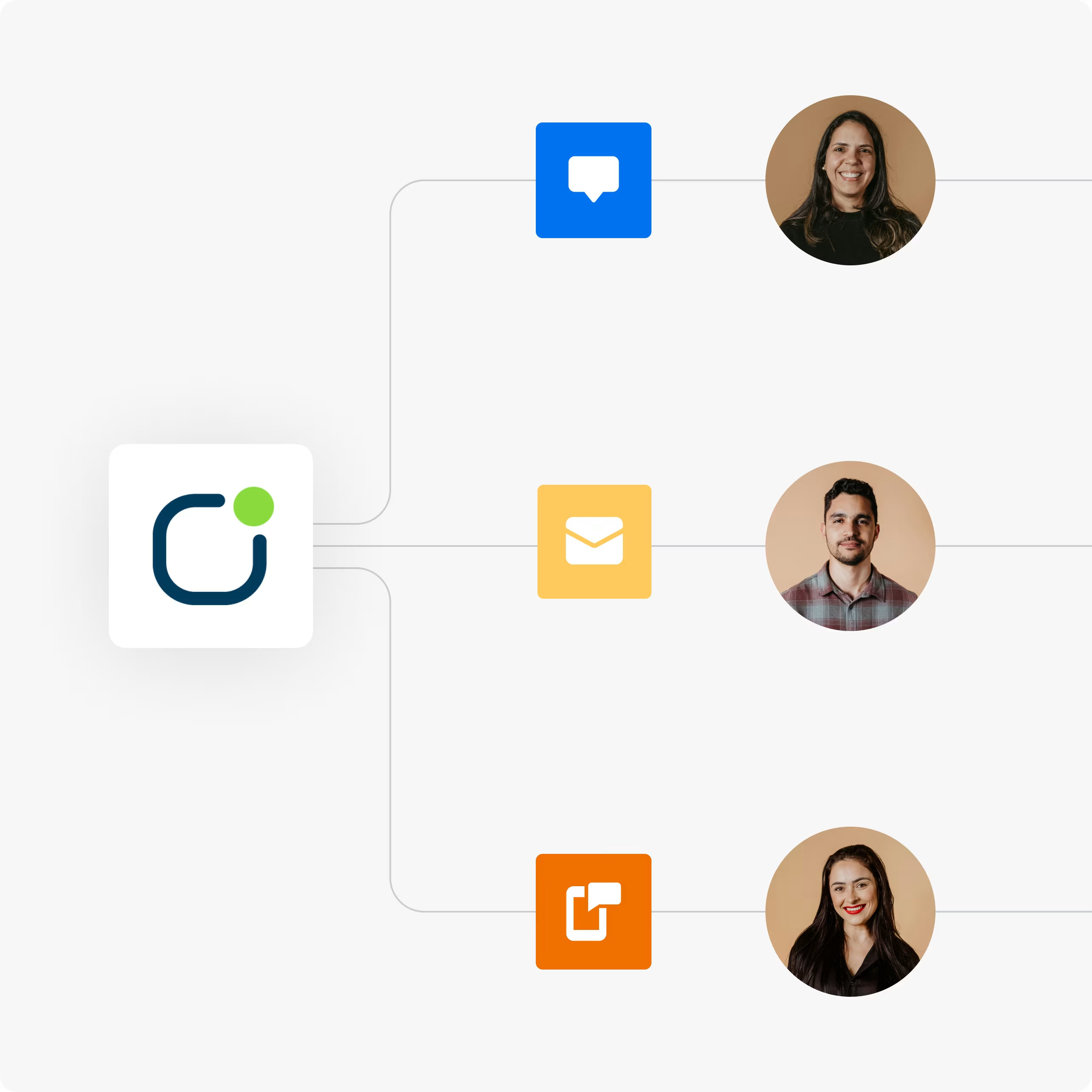
The 4 Key Types of Consumer Targeting Strategies
To craft messages that truly resonate in 2026, you must first understand the fundamental ways to segment an audience. While the technology has evolved, these four core pillars of consumer targeting remain the foundation of any successful strategy. Think of them not as separate options, but as layers you can combine for hyper-personalized engagement.
Let’s break down each type.
1. Demographic Targeting
This is the most traditional form of targeting, focusing on quantifiable, statistical data about a population. It answers the question, “Who is my customer?” based on objective traits.
- Key Data Points: Age, gender, income, education level, occupation, marital status.
- 2026 Example: A neobank launches a new investment product aimed at “Gen Z Accelerators.” They target individuals aged 22-28 with a university education and an income level indicating they are early in their professional careers, delivering the campaign via in-app messages and web push notifications.
2. Geographic Targeting
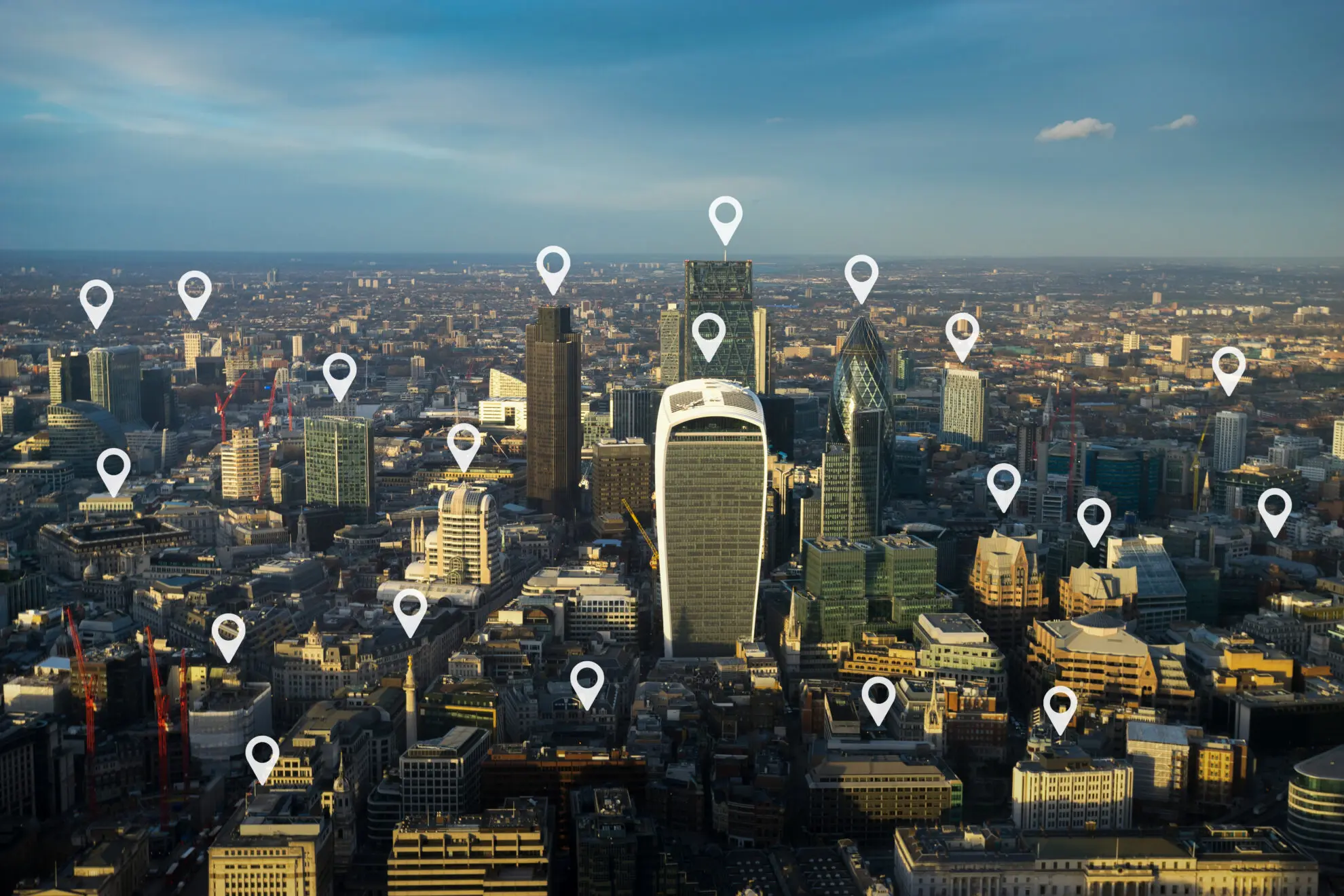
As the name suggests, this method segments users based on their physical location. It can range from broad (country or continent) to highly specific (a single city block or store perimeter).
- Key Data Points: Country, region, city, postal code, climate, or a specific radius around a point of interest (geo-fencing).
- 2026 Example: A global fashion retailer uses geo-fencing to send a time-sensitive Push Notification—”Flash Sale: 25% off for the next 2 hours!”—to app users who are physically within 500 meters of one of their brick-and-mortar stores.
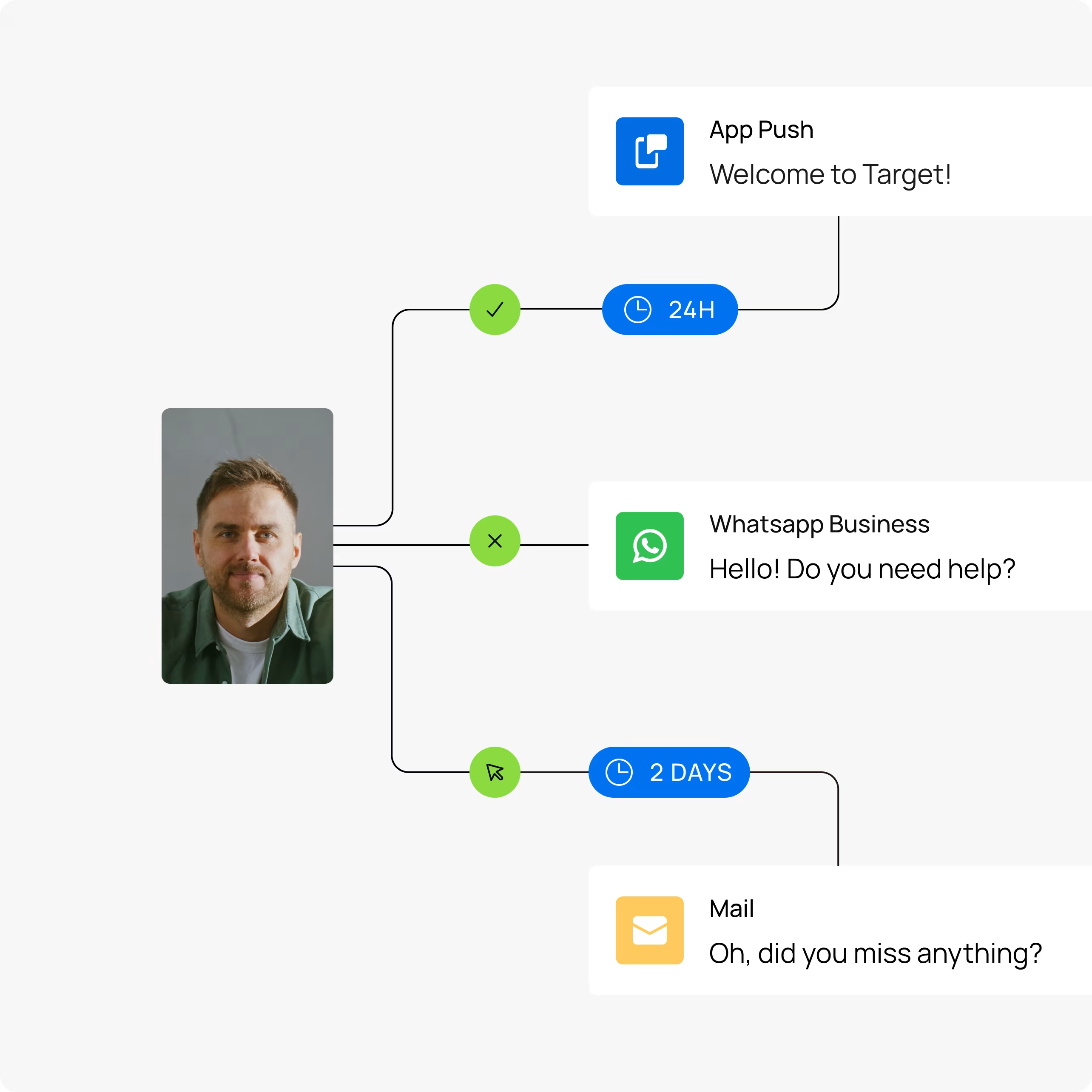
3. Psychographic Targeting
This is where targeting gets more nuanced. Psychographics move beyond “who” and “where” to explore the “why” behind consumer actions. It groups people based on their psychological attributes, such as lifestyle, values, and interests.
- Key Data Points: Personality traits, values, attitudes, interests, hobbies, lifestyle choices.
- 2026 Example: A wellness brand targets users who have shown interest in sustainability, meditation, and organic products. They create a Customer Journey that starts with an educational WhatsApp message about clean ingredients, nurturing the relationship before presenting a product offer.
4. Behavioral Targeting
Perhaps the most powerful type for digital marketers in 2026, behavioral targeting segments users based on their direct interactions with your brand. It’s based on what users do, not just who they are.
- Key Data Points: Purchase history, website browsing patterns, app usage, feature adoption, cart abandonment, email/push engagement rates.
- 2026 Example: A telecommunications company identifies a segment of users whose mobile data usage consistently nears their plan’s limit. An automated trigger sends them a personalized App Push offering a seamless, one-click upgrade to an unlimited plan directly within the app.
The true power isn’t in choosing one of these methods, but in orchestrating them together. A truly effective Global Omnichannel Strategy combines behavioral triggers with demographic insights and psychographic context. Managing these complex, layered segments is exponentially simpler when all your data points and communication channels—from App Push to WhatsApp and AI Agents—are unified in a single platform like the indigitall console.
Demographic Targeting (The Who)
Demographic targeting is the foundational layer of any intelligent segmentation strategy. It groups consumers based on objective, quantifiable, and statistical characteristics of a population, providing the essential answer to the fundamental question: Who is our audience?
While marketing technology has evolved dramatically, these core attributes remain a critical starting point for understanding your customer base in 2026. Common demographic variables include:
- Age: Defining generational cohorts (e.g., Gen Z, Millennials) or specific life-stage milestones.
- Gender: A basic but often crucial differentiator for product lines in retail, health, and beauty.
- Income Level: Segmenting for premium, mid-range, or budget-focused offerings to ensure message and price point alignment.
- Occupation: Targeting specific professional groups with relevant tools, services, or B2B offers.
- Education Level: Crafting messaging complexity and value propositions appropriate for the audience.
- Marital & Family Status: Identifying households with children, single individuals, or newlyweds for life-event marketing.
Consider a luxury automotive brand. Their target isn’t just a broad “high-earner” category. Instead, they leverage demographic data to pinpoint individuals aged 45-65 with an annual household income over €200,000, likely holding executive-level positions in finance or tech.
However, knowing *who* your customer is solves only part of the equation. A global omnichannel strategy demands you also know *where* to engage them. A 25-year-old might respond best to an interactive App Push Notification, while a 55-year-old executive may prefer a detailed summary via WhatsApp Business.
Orchestrating these personalized touchpoints across a fragmented digital ecosystem is the primary challenge. This is where an all-in-one platform becomes indispensable, allowing you to design and automate a complete Customer Journey that delivers the right message on the right channel, based on the demographic profile you’ve defined in the indigitall console.
Geographic Targeting (The Where)
Geographic targeting remains a cornerstone of effective marketing in 2026, allowing brands to tailor messages based on a consumer’s physical location. This goes far beyond simply targeting by country; it involves a multi-layered approach to deliver contextually relevant experiences that resonate with local audiences.
Modern strategies, orchestrated through a unified platform, leverage various levels of geographic data to maximize impact. Understanding these layers is key to moving from broad communication to precise, personalized engagement.
- Macro-Location: This includes broad areas like country, region, or continent. It’s essential for global brands managing different languages, currencies, and cultural promotions within their omnichannel strategy.
- Meso-Location: Targeting by city, state, or postal code allows for more granular campaigns, such as promoting local events, announcing store openings, or offering region-specific deals.
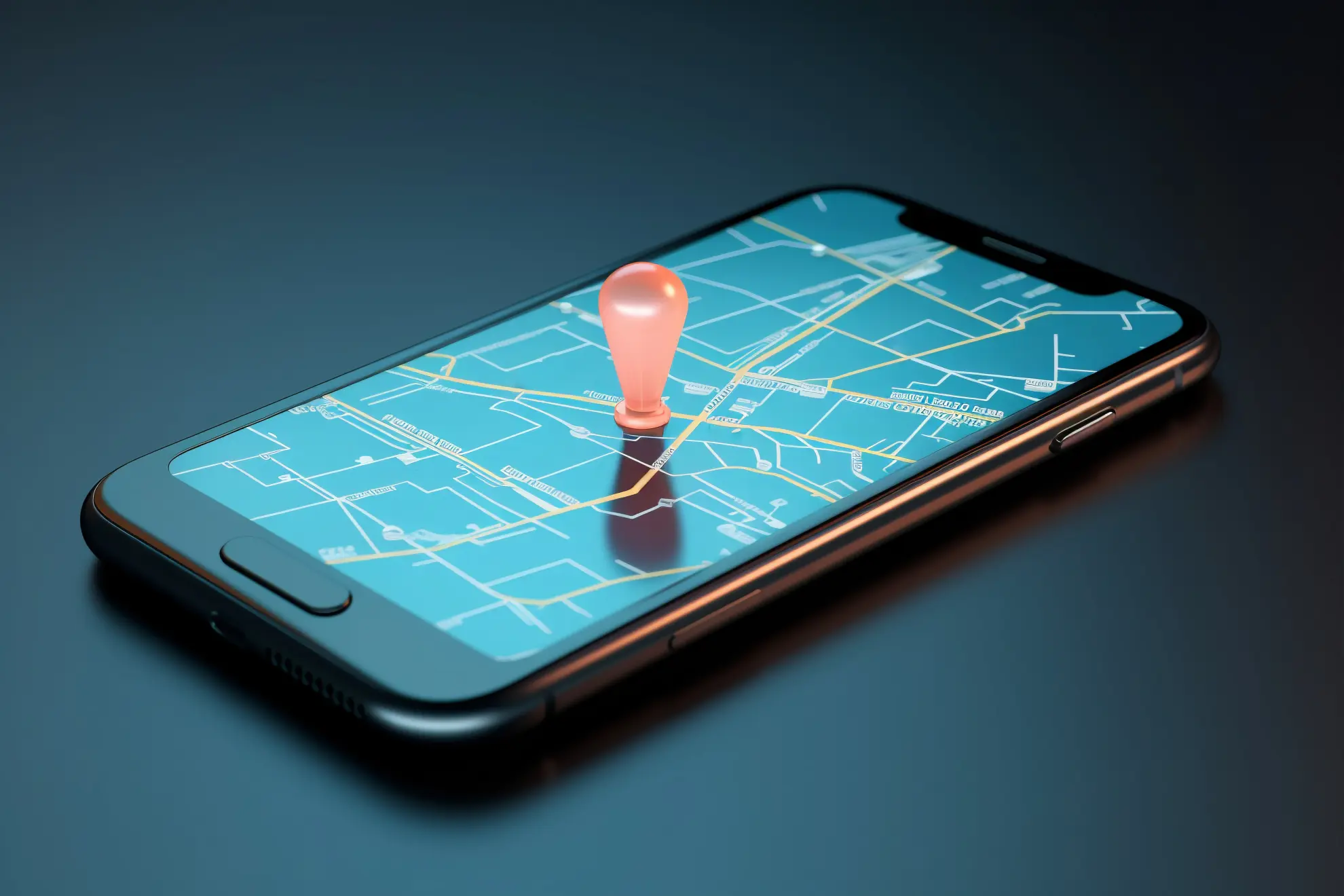
- Micro-Location (Geofencing): This hyper-local technique uses GPS data to trigger automated messages—like App Push Notifications or In-App Messages—when a user enters or exits a predefined virtual boundary, such as the area around a physical store.
- Contextual Location: This involves targeting based on environmental factors like local climate or weather. It allows for dynamic and incredibly timely marketing that aligns with the consumer’s immediate reality.
Let’s consider a practical example: A global sporting goods retailer wants to promote its new line of ski gear. Using the indigitall console, their marketing team builds a Customer Journey that targets users in regions where temperatures have just dropped and snowfall is forecasted for winter 2026.
An automated App Push Notification is sent to this specific segment with a compelling message: “The slopes are calling! ⛷️ Be the first to gear up with our new 2026 winter collection.” This is a perfect fusion of demographic interest and geographic relevance, driving immediate conversion and demonstrating a deep understanding of the customer’s environment.
By integrating geographic intelligence into a global omnichannel strategy, brands can ensure that whether they’re communicating via App, Web, or WhatsApp, the message always feels personal, local, and perfectly timed.
Psychographic Targeting (The Why)
While demographics tell you who your customers are and behavioral data tells you what they do, psychographic targeting uncovers the crucial missing piece: why they do it. This approach segments audiences based on their intrinsic psychological traits, values, and motivations.
In 2026, understanding this “why” is no longer a luxury—it’s the core of building a brand that truly resonates. It involves analyzing and grouping customers by shared internal characteristics.
- Lifestyle: How a person lives, from their daily habits and spending patterns to their travel and leisure preferences.
- Values and Beliefs: The core principles guiding their decisions, such as a commitment to sustainability, family-centric ideals, or technological innovation.
- Interests and Hobbies: What they are passionate about, such as fitness, gourmet cooking, digital art, or outdoor adventures.
- Opinions and Attitudes: Their perspectives on social, political, or industry-specific topics that influence their brand affiliations.
Consider a sustainable fashion brand. Demographically, they might target “women aged 25-40.” But with psychographics, they can pinpoint consumers who actively value eco-friendly materials, follow environmental advocates online, and express interest in a minimalist lifestyle.
This deeper understanding is where a true Global Omnichannel Strategy comes to life. Using a unified platform like indigitall, you can translate these insights into highly relevant interactions. A Customer Journey can be designed to send a WhatsApp message about the ethical sourcing of a new product to your “eco-conscious” segment, while a different segment receives a Push Notification about a new high-performance fabric.
By leveraging psychographics, you move beyond generic campaigns. You create personalized experiences that align with your customers’ core values, fostering the deep connection and loyalty that drives superior lifetime value.
Behavioral Targeting (The What)
Behavioral targeting moves beyond static profiles to focus on what your customers do. This dynamic approach, absolutely essential in 2026, segments audiences based on their real-time actions and historical interactions with your brand across your entire digital ecosystem.
Instead of just knowing who a customer is, you focus on how they act. This allows for hyper-relevant messaging that feels less like marketing and more like a helpful, personalized service. Common behavioral data points include:
- Purchase History: Past purchases, frequency, average order value, and product categories.
- Website & App Engagement: Pages viewed, features used, time spent on screen, and click patterns.
- Campaign Interaction: Which emails they open, which push notifications they click, and what content they respond to.
- Cart Status: Items added to a shopping cart, and especially, items left behind (abandoned carts).
- Loyalty Status: Engagement with loyalty programs, points accumulation, and reward redemptions.
A classic yet powerful example is the abandoned cart recovery Customer Journey. A user browses your retail app, adds a pair of sneakers to their cart, but gets distracted and closes the app without purchasing. A purely demographic strategy would miss this crucial moment.
With behavioral targeting, this specific action triggers an automated, Omnichannel response. An hour later, a personalized App Push notification might arrive with a gentle reminder. If that goes ignored, a WhatsApp message could follow the next day with a limited-time free shipping offer, directly driving the user back to their cart to complete the purchase.
Orchestrating these real-time, multi-channel responses is where the power of a unified platform becomes clear. Tracking a behavior on your app and triggering a message on WhatsApp requires a seamless flow of data. Using an all-in-one solution like the indigitall console ensures these crucial behavioral triggers are captured and acted upon instantly across your entire channel mix, maximizing conversion opportunities.
The Challenge: Why Traditional Consumer Targeting Fails
In 2026, the expectation for hyper-personalized, context-aware communication is no longer a novelty; it’s the standard. Yet, many organizations find their targeting strategies falling short, not due to a lack of effort, but because they are built on outdated operational models and fragmented technology stacks. These foundational cracks prevent even the most brilliant campaigns from reaching their full potential.
The core of the problem lies in three persistent challenges that create a significant gap between a brand’s intentions and the customer’s actual experience. Let’s explore why these traditional approaches are failing in today’s digital-first landscape.
Data Silos: The Fragmented Customer View
For many businesses, customer data remains trapped in digital islands. Your CRM holds purchase history, your analytics platform tracks web behavior, and your customer support desk contains invaluable interaction logs. Without a unified view, you’re left with a fragmented mosaic of the customer, making it impossible to build a cohesive and intelligent targeting strategy.
This separation means personalization is often based on incomplete information. A customer who just resolved an issue with support might receive an irrelevant promotional push, creating a jarring experience that erodes trust and damages brand perception.
Inconsistent Communication: The Marketing vs. Support Collision
A direct result of data silos is the disconnect between outbound marketing teams and inbound service teams. Marketing orchestrates a promotional campaign, while customer support simultaneously handles service inquiries, often without visibility into each other’s communications. This leads to conflicting messages and a broken Customer Journey.
Imagine a banking customer receiving a push notification to apply for a new credit card just hours after contacting support about a fraudulent charge on their existing one. This isn’t just poor targeting; it’s a critical failure in customer empathy that a unified communication strategy would prevent.
Complex Channel Orchestration: The Omnichannel Illusion
Most brands today use multiple channels—App Push, Web Push, WhatsApp, SMS, Mobile Wallet—but using them isn’t the same as orchestrating them. A traditional approach treats each channel as a separate pipeline, leading to a disjointed and often overwhelming experience for the consumer.
Without a centralized platform to manage a global Omnichannel strategy, brands face significant challenges:
- Message Fatigue: Bombarding a user with the same offer on email, push, and WhatsApp because the systems don’t communicate.
- Inconsistent Branding: Different tones, visuals, and offers across channels, confusing the customer and diluting the brand identity.
- Lost Context: A conversation started on a web-based AI Agent doesn’t seamlessly transition to WhatsApp, forcing the user to start over.
Overcoming these hurdles requires moving beyond a collection of separate tools and embracing a single, intelligent ecosystem designed to deliver a truly seamless and personalized Customer Journey.
The Solution: Unifying Your Strategy with Indigitall
Navigating the complex landscape of consumer targeting in 2026 requires more than just good intentions; it demands a unified technological foundation. The persistent challenges of data silos, disconnected channels, and campaign fragmentation can derail even the most brilliant strategies. This is precisely where a dedicated customer engagement platform becomes the central nervous system of your marketing ecosystem.
indigitall is engineered to be that single source of truth. Our platform acts as a central hub, ingesting customer data from multiple sources to build a dynamic, 360-degree profile for every user. This unified view empowers you to move beyond fragmented campaigns and start orchestrating truly seamless, Global Omnichannel Customer Journeys that adapt in real-time to user behavior.
Imagine a user browsing a product on your website, receiving a personalized Web Push notification about it later, and then completing the purchase via a conversational flow on WhatsApp Business. With indigitall, this isn’t a complex, multi-system setup; it’s a single, orchestrated journey managed from one intuitive indigitall console.
While powerful platforms like Braze and Salesforce Marketing Cloud have been mainstays in the enterprise space, many brands in 2026 demand greater agility and efficiency. Our clients choose indigitall for its superior ease of use, significantly faster time-to-value, and more cost-effective model. We empower your team to launch sophisticated, multi-channel campaigns in hours, not weeks, delivering a clear and rapid return on investment.
By breaking down the barriers between your channels—from App Push and In-App Messages to Mobile Wallet and AI Agents—indigitall transforms your customer targeting from a series of disconnected actions into a cohesive, intelligent, and conversion-focused strategy.
Unify Inbound & Outbound for a Seamless Customer Journey
In 2026, a critical limitation of many consumer targeting platforms is their singular focus on outbound communication. They excel at sending marketing messages—push notifications, emails, SMS—but falter the moment a customer responds, creating a jarring disconnect between marketing and customer service.
True lifecycle management requires a platform that orchestrates both outbound campaigns and inbound conversations. This is where a unified strategy becomes a game-changer, moving beyond one-way messaging to create a holistic, two-way dialogue that builds lasting relationships.
Consider this common scenario within the indigitall ecosystem: a telecommunications client receives a targeted (Outbound) WhatsApp promotion for a new international data plan. The customer replies directly in the same chat thread, asking, “Does this cover Japan?” This (Inbound) query is instantly managed by a generative AI agent. The entire interaction, from initial promotion to support conversation, occurs within a single, continuous thread.
This seamless integration provides an unparalleled advantage. The data from this conversation—the customer’s interest in international travel and specifically Japan—is captured and appended to their profile in the indigitall console. Your next targeting action is no longer based on a guess; it’s informed by direct, contextual customer interaction.
This unified approach is the cornerstone of a Global Omnichannel Strategy. Whether the conversation starts from an App Push, a Web Push, or a WhatsApp message, the principle remains the same. By breaking down the silos between marketing and support, you gain the ability to:
- Create a Single Source of Truth: Maintain one comprehensive customer profile that includes every interaction, from campaign engagement to support tickets.
- Deliver Hyper-Personalized Journeys: Use service history and inbound queries to refine and personalize future marketing campaigns, ensuring maximum relevance.
- Boost Customer Satisfaction: Provide a frictionless experience where customers don’t have to repeat themselves across different departments or channels.
- Maximize Efficiency: Manage all outbound and inbound communication from a single platform, streamlining workflows and reducing technology overhead.
Ultimately, unifying inbound and outbound communication transforms your targeting from a series of isolated messages into a cohesive and intelligent Customer Journey that adapts in real-time to each user’s needs.
Leverage Accessible AI for Smarter Targeting
In 2026, artificial intelligence is no longer a futuristic concept in marketing; it’s the core engine driving the most effective consumer targeting strategies. The indigitall platform integrates a powerful suite of AI tools designed to elevate your campaigns from reactive to predictive, empowering your team to anticipate customer needs before they arise.
We believe advanced AI should be an ally, not a barrier. That’s why Indigitall AI is built directly into the indigitall console, providing sophisticated capabilities through an intuitive interface. This allows marketing and CRM managers to deploy complex models and generate insights without relying on dedicated data science teams or writing a single line of code.
Our AI-driven features are designed to solve your most critical targeting challenges:
- Predictive Segmentation: Move beyond historical data. Our AI analyzes user behavior to automatically identify and group users based on their future actions. Effortlessly create segments of customers who are likely to convert on a new offer or, just as critically, those who show a high probability of churn, allowing for proactive retention campaigns.
- Optimal Send-Time Recommendations: Stop guessing when to engage. The indigitall AI learns individual user engagement patterns across all channels to recommend the precise moment to deliver a message for maximum impact. This ensures your App Push, Web Push, or WhatsApp message arrives when the user is most receptive, significantly boosting open rates and conversions.
- AI-Powered Content Generation: Scale personalization without scaling your workload. Our generative AI tools help you craft compelling, hyper-personalized message copy, headlines, and calls-to-action. The system can generate dozens of variations tailored to different predictive segments, ensuring every step of a Customer Journey feels unique and relevant.
By integrating these AI capabilities into a single platform, indigitall enables a truly intelligent Global Omnichannel Strategy. The insights learned from a user’s web behavior can trigger a predictive retention offer on WhatsApp, all orchestrated seamlessly. This is how leading brands in 2026 are not just reaching customers, but building intelligent, forward-looking relationships that maximize lifetime value.
Master Engagement with Native WhatsApp Integration
In 2026, effective consumer targeting is synonymous with meeting customers on their preferred platforms. The era of forcing users into brand-owned channels is over; success now lies in engaging them within the ecosystems they already inhabit daily. For billions of users globally, that ecosystem is WhatsApp.
While many platforms offer some form of WhatsApp connectivity, indigitall provides a deep, native integration with the WhatsApp Business API. This isn’t a superficial connector or a third-party workaround; our technology is engineered for seamless, direct communication, ensuring maximum reliability, security, and access to the latest features as they are released.
This native approach unlocks powerful capabilities that are critical for modern marketing and support teams. By managing WhatsApp directly from the indigitall console, you can orchestrate sophisticated campaigns that drive real business outcomes. The benefits are immediate and measurable:
- Richer Messaging Capabilities: Move beyond plain text. Deploy interactive elements like carousels to showcase products, quick-reply buttons to guide conversations, and call-to-action buttons that drive users directly to your app or website, significantly boosting conversion rates.
- Unified Conversation Management: Consolidate your marketing and customer support workflows. A single, unified thread allows you to send a promotional broadcast and have a live agent (or an AI Agent) seamlessly take over the conversation for support queries, creating a frictionless customer experience.
- Superior Deliverability & Scale: Our direct integration ensures your messages are delivered with unparalleled speed and reliability. Whether you’re sending a targeted message to a small segment or a campaign to millions, our infrastructure is built to scale with your needs.
Ultimately, integrating WhatsApp is a cornerstone of a successful Global Omnichannel Strategy. An interaction initiated via a WhatsApp message can trigger a follow-up App Push Notification or a detailed email summary, all orchestrated as part of a cohesive Customer Journey within the indigitall platform. This unified approach eliminates channel silos and ensures every touchpoint is intelligent, contextual, and impactful.
Responsible Targeting: Building Trust in a Privacy-First Era
In the digital landscape of 2026, consumers are more discerning and privacy-conscious than ever before. The legacy of intrusive ads, data misuse, and sophisticated scams has cultivated a healthy skepticism, making trust the single most valuable currency for any brand.
Effective targeting is no longer about simply reaching a demographic; it’s about earning the right to communicate. This requires a fundamental shift from data extraction to a transparent value exchange. When customers willingly share their data, they expect hyper-relevant, timely, and genuinely useful interactions in return, not a barrage of generic promotions.
The regulatory environment has also matured significantly. Frameworks like GDPR and CCPA, once considered groundbreaking, are now the established global baseline. Navigating this complex web of compliance isn’t just a legal necessity—it’s a critical component of brand integrity. Demonstrating robust data governance is a powerful signal to consumers that you respect their digital sovereignty.
Building a strategy on a foundation of trust transforms targeting from a potential liability into a powerful tool for loyalty. It’s about creating a relationship where the customer feels understood and respected. The key pillars of this modern approach include:
- Radical Transparency: Be crystal clear about the data you collect and how it will be used to enhance the customer’s experience. Link data requests directly to tangible benefits, such as personalized recommendations or real-time order updates via WhatsApp.
- Empowered Consent: Go beyond simple opt-ins. Provide users with granular control over their communication preferences through an easily accessible preference center. Prioritizing first-party and zero-party data ensures you are acting on information given freely and explicitly.
- Value-First Communication: Every interaction, whether an app push notification or an automated AI agent conversation, must deliver genuine value. This is the core of a successful Global Omnichannel Strategy—ensuring each touchpoint is contextually relevant and serves a purpose for the user.
Orchestrating this level of responsible personalization across multiple channels can be a significant challenge. This is where an integrated platform becomes essential. By managing consent, preferences, and Customer Journey automation from a unified console, brands can ensure compliance, consistency, and respect are built into every interaction, seamlessly.
Ultimately, in this privacy-first era, responsible targeting is your greatest competitive advantage. It shifts the dynamic from short-term conversions to long-term trust, which is the ultimate driver of customer lifetime value.
Get Started: A 5-Step Framework for Your Consumer Targeting Strategy
Theory is powerful, but execution is what drives revenue. To transform the advanced concepts we’ve discussed into a tangible, high-impact strategy, you need a clear framework. This five-step process, designed for the demands of 2026, will guide you from initial research to continuous optimization, ensuring your consumer targeting efforts are both efficient and effective.
Using a unified platform simplifies this entire process, allowing you to manage data, channels, and analytics from a single, integrated ecosystem.
- 1. Deepen Your Research & Define Dynamic PersonasThe foundation of any successful targeting strategy is a profound understanding of who your customers are. Go beyond basic demographics and dive into psychographics, behavioral data, and intent signals. Analyze first-party data from your app, website, and CRM to build rich, dynamic personas that represent your ideal customer segments.
- 2. Segment Your Audience with PrecisionWith your personas defined, the next step is to group your audience into actionable segments. In the indigitall console, you can create these segments based on a vast array of criteria, including behavioral data (last purchase, cart abandonment), transactional history, and app engagement. The goal in 2026 is to move from broad categories to hyper-targeted micro-segments.
- 3. Orchestrate Your Omnichannel EngagementYour customers don’t live on a single channel, so your strategy shouldn’t either. Select the optimal channel for each message and segment. Use App Push Notifications for timely promotions to loyal app users, leverage WhatsApp Business for critical transactional alerts and conversational support, and engage website visitors with Web Push. A true Global Omnichannel Strategy ensures a seamless and consistent Customer Journey across every touchpoint.
- 4. Craft Hyper-Personalized Messages at ScalePersonalization now extends far beyond a first name. Leverage dynamic content to tailor offers, product recommendations, and messaging to each segment’s unique context and history. Craft compelling copy that speaks directly to their needs, whether it’s an exclusive offer for a high-value customer or a helpful reminder for a user who has recently shown interest in a product.
- 5. Measure, Analyze, and Continuously OptimizeConsumer targeting is not a one-time setup; it is a continuous loop of improvement. Track key performance indicators (KPIs) like open rates, click-through rates (CTR), and, most importantly, conversions and LTV for each campaign and segment. Use the analytics in the indigitall console to identify what’s working, refine your segments, A/B test your messaging, and optimize your overall strategy for maximum ROI.
Transform Your Targeting with Indigitall
As we navigate the dynamic digital landscape of 2026, one truth remains constant: effective consumer targeting is the bedrock of sustainable growth. It has evolved far beyond simple demographics into a sophisticated orchestration of data, channels, and real-time interactions. The challenge is no longer just reaching the right person, but engaging them with the right message, on the right channel, at the perfect moment—all while respecting their privacy.
Achieving this requires a unified, intelligent, and seamlessly integrated platform. Legacy systems with siloed data and disconnected communication channels create friction, frustrate users, and ultimately hinder ROI. True digital transformation demands a single source of truth where every interaction informs the next, creating a cohesive and personalized Customer Journey.
This is precisely where the indigitall platform empowers marketing and development teams. We uniquely unify your engagement strategy by combining:
- Global Omnichannel Orchestration: Seamlessly connect with users across App Push, Web Push, WhatsApp Business, SMS, and Mobile Wallet. The indigitall platform allows you to design Customer Journeys that move fluidly between channels for maximum impact.
- Accessible Generative AI: Leverage the power of AI without needing a dedicated data science team. Our tools, integrated directly into the indigitall console, help you build predictive segments, optimize send times, and generate hyper-personalized content on the fly.
- Unified Inbound and Outbound Communication: Bridge the gap between service and marketing. A query handled by an AI Agent can trigger a personalized follow-up campaign, creating a continuous, intelligent conversation with your customer.
By breaking down the traditional silos, indigitall provides a complete ecosystem for modern consumer engagement. You gain the agility to respond to customer behavior in real time, the intelligence to anticipate their needs, and the power to build lasting relationships that maximize lifetime value.
Ready to see how a unified consumer targeting strategy can boost your ROI? Schedule a demo of indigitall today.