indigitall Omni AI
 Start chat with AI agent
 Speak with AI voice agent
 Book a Demo

 Speak to an Expert











What is a Content Personalization Engine? A Guide to Unified Customer Engagement



Introduction: Beyond First-Name Emails – The Demand for True Personalization
In 2026, the baseline for customer expectation has shifted dramatically. The era of superficial personalization—inserting a first name into a generic email—is officially over. Today’s consumers demand and expect truly seamless, predictive, and hyper-personalized experiences across every digital touchpoint in your ecosystem.
They expect the push notification on their phone to reflect the conversation they just had with an AI agent on WhatsApp, and for a web banner to acknowledge an item they previously saved to a cart in your app. This is the new standard for a Global Omnichannel Strategy, and brands that fail to deliver this cohesive experience risk becoming irrelevant.
The core challenge for most businesses isn’t a lack of ambition; it’s a lack of integration. Marketing, sales, and customer support departments often operate in silos, each with its own disparate toolset. This fragmented data landscape makes it impossible to build a single, coherent view of the customer, leading to disjointed interactions that erode trust and loyalty.
A content personalization engine is designed to be the solution—the central intelligence that connects these dots. It’s the brain that analyzes user behavior in real-time to orchestrate and deliver the right content, to the right person, on the right channel, at the precisely right moment to drive conversion and maximize LTV.
But as we advance further into 2026, a critical flaw has emerged in this model. What if the engine powering your personalization is running on incomplete fuel? This guide will explore why many personalization engines, despite their power, are built on a flawed foundation and how a truly unified engine is the only way to orchestrate the next generation of Customer Journeys.
What is a Content Personalization Engine?
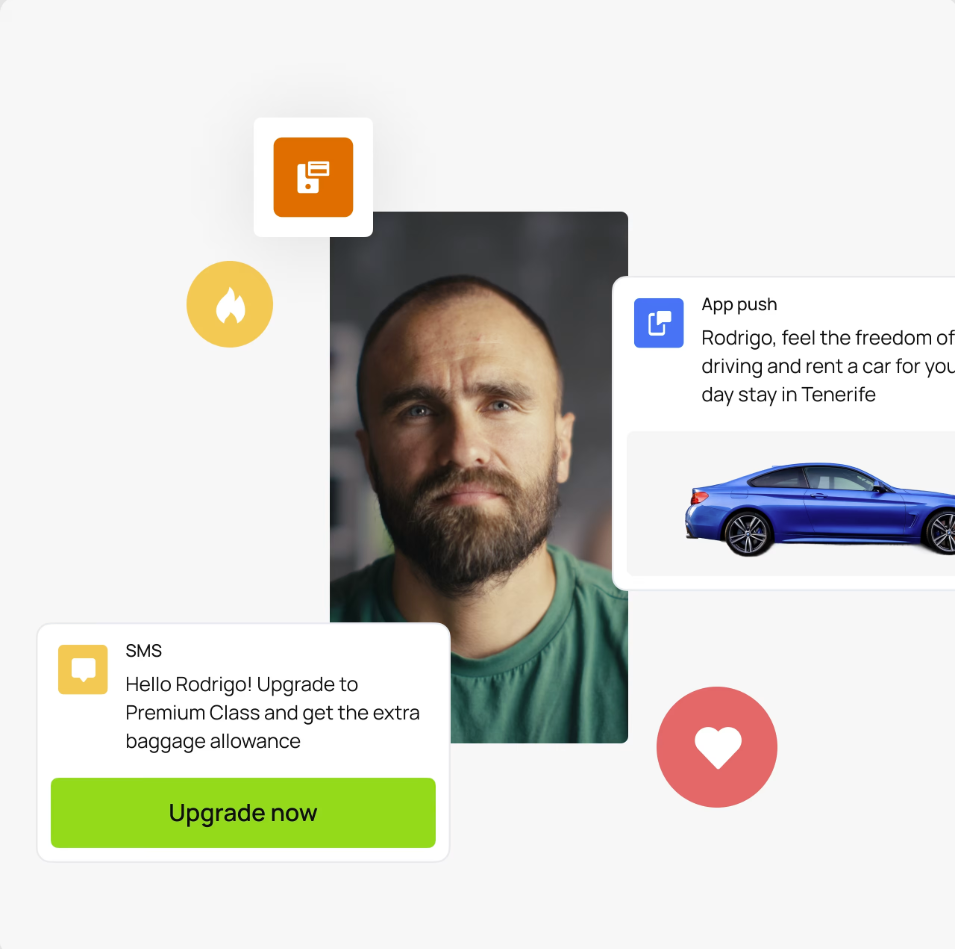
A content personalization engine is the intelligent core of your customer engagement strategy. It is a sophisticated software solution that leverages real-time data, AI, and machine learning to dynamically tailor content, product recommendations, and promotional offers to each individual user across your entire digital ecosystem.
The fundamental goal is to move beyond generic, one-size-fits-all messaging. A personalization engine works to make every single interaction—whether on your app, website, or a third-party channel—feel uniquely relevant and contextually aware of the user’s immediate needs and long-term preferences.
Think of it as the ultimate digital shopkeeper. This isn’t just someone who remembers your name; this is a concierge who recalls your past purchases, understands your browsing patterns, anticipates what you might need next, and presents the perfect option at the perfect moment, without ever being intrusive.
This powerful orchestration is fueled by a continuous flow of data, including behavioral signals (clicks, views, purchases), user attributes (demographics, location), and contextual triggers (time of day, device type). This data allows the engine to predict user intent and automatically deliver the most compelling experience.
Crucially, a modern personalization engine must operate within a Global Omnichannel Strategy. It doesn’t just personalize your website. It ensures a consistent and relevant experience whether you’re sending a Push Notification, engaging via WhatsApp Business, or delivering an exclusive offer to a Mobile Wallet pass.
When this engine is natively integrated within a unified engagement platform, its power is magnified. By eliminating data silos between your personalization logic and your communication channels, you can design and execute seamless, end-to-end Customer Journeys that boost loyalty and maximize lifetime value.
How Do Personalization Engines Actually Work?
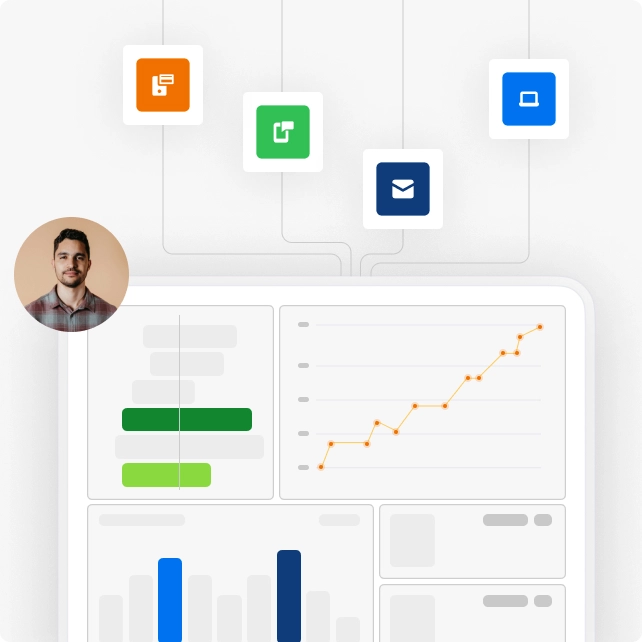
At first glance, a personalization engine can seem like a black box. In reality, it operates on a sophisticated, four-stage process that transforms raw customer data into seamless, revenue-driving experiences. Think of it as the central nervous system of your customer engagement strategy, orchestrating a continuous cycle of listening, understanding, acting, and learning.
Let’s break down the core mechanics powering today’s most advanced platforms in 2026.
- 1. Data Collection: The Foundation of IntelligenceEverything starts with data. A powerful personalization engine ingests first-party data from every conceivable customer touchpoint in real-time. This isn’t just about website cookies anymore; it’s about building a holistic, 360-degree view of the customer across your entire digital ecosystem.
Key data sources include behavioral data (app usage, page visits, cart abandonment), transactional data (purchase history, subscription status), demographic data (location, language from your CRM), and contextual data (device type, time of day). A truly unified platform, like the one indigitall provides, ensures this data is captured seamlessly from your app, website, CRM, and physical stores, creating a single source of truth.
- 2. Segmentation & Profiling: From Data to IdentityWith a rich data lake, the engine moves to the interpretation phase. It synthesizes billions of data points into detailed, dynamic user profiles. This is where the magic of AI and machine learning becomes critical. While manual, rule-based segments still have their place, modern engines create predictive, self-optimizing audiences automatically.
The engine can identify users likely to churn, high-value customers ready for an upsell, or new users who need a specific onboarding Customer Journey. These profiles are not static; they evolve with every single interaction, ensuring your understanding of the customer is always current.
- 3. Content Decisioning & Delivery: The Moment of ActionThis is where insight translates into impact. The engine’s decisioning layer uses sophisticated algorithms—ranging from simple business rules to complex predictive models—to answer the ultimate question: What is the next best experience for this specific user, on this specific channel, right now?
The answer might be a personalized product recommendation on your homepage, a generative AI-crafted WhatsApp message about a new collection, or a time-sensitive App Push notification with a unique offer. This orchestration is the core of a Global Omnichannel Strategy, ensuring a coherent and non-intrusive conversation across Web, App, WhatsApp, and even your Mobile Wallet passes. It’s about delivering the right message on the channel the user actually prefers.
- 4. Analysis & Optimization: The Continuous Learning LoopA personalization engine is a learning machine. The final stage is a perpetual feedback loop where the system measures the outcome of every interaction. It tracks clicks, conversions, engagement time, and ultimately, the impact on metrics like Lifetime Value (LTV) and revenue.
This performance data is fed directly back into the algorithms, continuously refining their accuracy and effectiveness. This self-optimizing cycle means your personalization efforts get smarter and more effective over time, often without manual intervention. Within the indigitall console, marketers can visualize this performance, gain insights, and fine-tune strategic goals, creating a powerful synergy between human expertise and machine intelligence.
Key Benefits: Why a Personalization Engine is Non-Negotiable
In the hyper-competitive landscape of 2026, generic marketing is effectively invisible. Customers don’t just prefer personalized experiences; they expect them as the standard. A sophisticated content personalization engine is no longer an innovative edge—it’s the core of any successful digital strategy, directly impacting your bottom line and brand perception.
Moving beyond basic segmentation, a true personalization engine acts as the central nervous system for your customer engagement efforts. Let’s explore the critical business advantages it delivers.
1. Drive Conversions with Hyper-Relevant Interactions
The path from interest to purchase is shorter than ever, but only when you pave it with relevance. A personalization engine analyzes real-time user behavior, historical data, and contextual triggers to deliver the perfect offer at the perfect moment.
Imagine a user browsing high-performance running shoes in your app. Instead of a generic “sale” notification, the engine can trigger a rich push notification showcasing a new model in their preferred brand and size, complete with a direct link to purchase. This is precision marketing that converts.
2. Amplify Engagement and Session Duration
Engagement isn’t just about clicks; it’s about creating a compelling digital environment that holds a user’s attention. By tailoring on-site content, article recommendations, and in-app messaging, you transform a transactional visit into an exploratory session.
When a banking app user is greeted with insights based on their spending habits or a retail website dynamically reorders categories based on their past purchases, they are more likely to stay, explore, and interact. This deepens their connection to your brand’s digital ecosystem.
3. Maximize Customer Loyalty and Lifetime Value (LTV)
Loyalty in 2026 is earned through understanding. Customers who feel seen and valued are far less likely to churn. A personalization engine enables you to build these relationships at scale by ensuring every communication feels considerate and helpful.
From a personalized birthday offer sent via WhatsApp Business to a follow-up survey after a customer service interaction, these thoughtful touchpoints foster a powerful sense of brand affinity. This translates directly into higher repeat purchases and a greater overall LTV.
4. Orchestrate a Truly Unified Omnichannel Experience
Today’s Customer Journey is fluid, spanning across web, mobile apps, email, and messaging channels. A siloed personalization strategy creates a jarring, inconsistent experience. A powerful engine ensures your brand speaks with one voice, everywhere.
A user might start their journey by clicking a web banner, continue by adding an item to their cart on their mobile device, and receive a cart recovery reminder via an App Push notification. A unified platform like indigitall makes this omnichannel orchestration seamless, ensuring the context and personalization persist across every touchpoint for a truly cohesive experience.
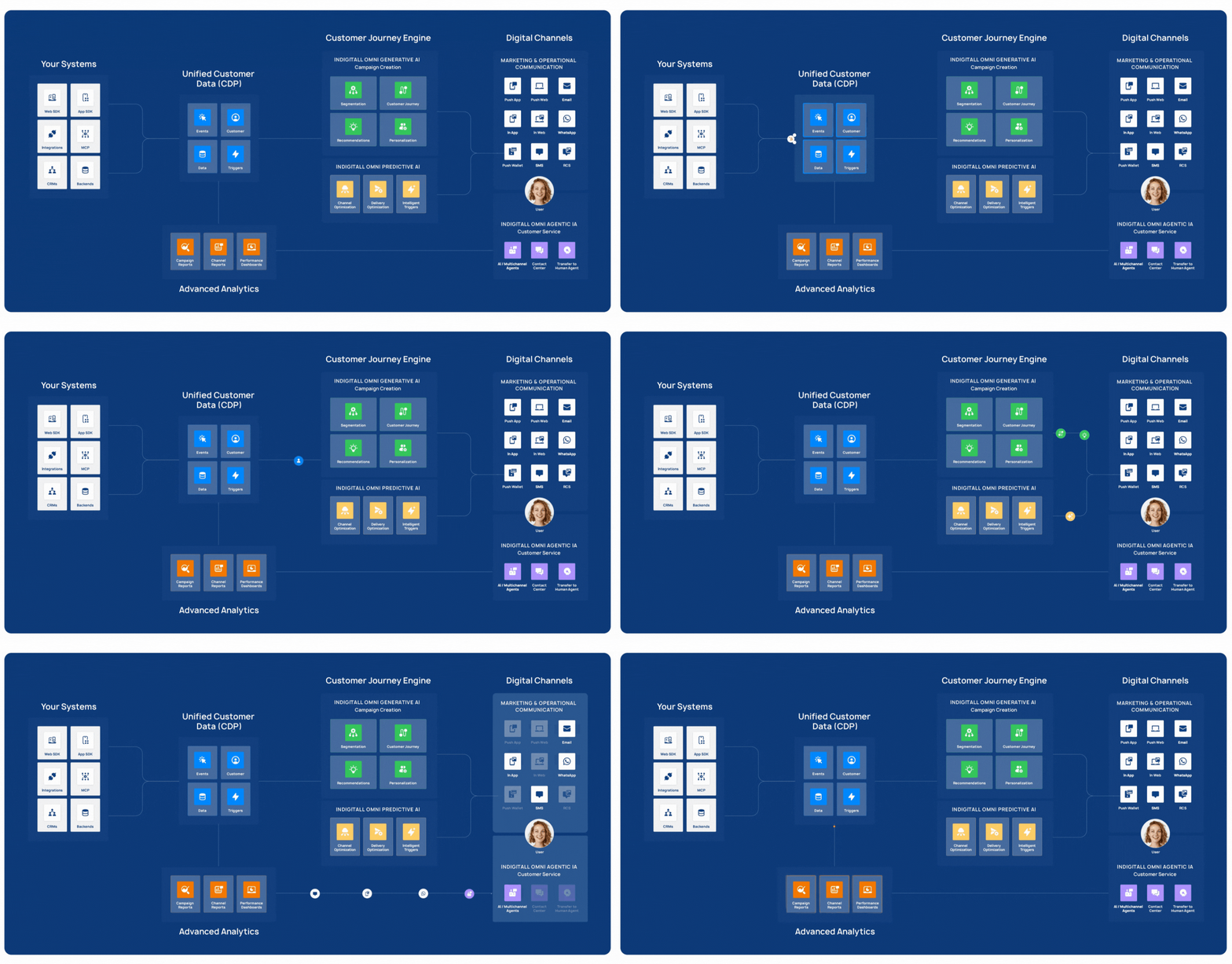
The Critical Flaw: The Inbound vs. Outbound Personalization Silo
By 2026, most enterprise marketing stacks include a sophisticated personalization engine. These platforms excel at analyzing behavioral data—clicks, views, past purchases—to tailor marketing campaigns. But this approach, while powerful, contains a critical, experience-shattering flaw.
The vast majority of these systems are designed exclusively for Outbound Marketing Personalization. They are engines built to push messages. They craft compelling emails, targeted push notifications, and personalized offers based on a user’s historical data, effectively talking at the customer.
On the other side of the digital divide are the Inbound Support & Service Interactions. These are the real-time, user-initiated conversations happening right now across your support channels—a WhatsApp message about a billing error, a query with an AI Agent on your website, or a complaint logged via a chatbot.
Herein lies the silo. The outbound marketing engine is completely disconnected from the inbound service conversation. The two systems operate in parallel universes, blind to each other’s context, and the customer is caught in the crossfire.
Consider this all-too-common scenario: A loyal customer spends 15 minutes on WhatsApp with your support bot trying to resolve an issue with a faulty product they recently purchased. They are frustrated and their sentiment is clearly negative. Moments later, their phone buzzes.
- The Inbound Signal: Customer is actively complaining about Product X.
- The Outbound Action: An email arrives: “You’ll love this! See accessories for your new Product X!”
This isn’t personalization; it’s a digital tone-deafness that actively erodes trust. It tells the customer, in no uncertain terms, “We are not listening.” This disconnect between marketing automation and real-time customer sentiment is the single biggest point of failure in modern customer engagement strategies.
A true Global Omnichannel Strategy requires more than just connecting marketing channels. It demands the unification of marketing (outbound) and service (inbound) data streams into a single, cohesive ecosystem. Only then can you orchestrate Customer Journeys that are not just personalized, but genuinely context-aware and responsive to the customer’s immediate needs.
The Solution: A Unified Engine for Marketing and Support
The limitations of legacy personalization engines have become clear. By 2026, leading brands recognize that simply reacting to marketing signals is not enough. The next evolution is not just a smarter engine, but a completely new architecture: a Unified Engagement Platform.
This approach moves beyond fragmented tools and siloed data. A truly intelligent system must operate from a single, 360-degree view of the customer—one that seamlessly combines their marketing engagement history with their customer support interactions.
Imagine a customer receiving a promotional push notification for a product they just spent thirty minutes troubleshooting with a support bot. This is the kind of disjointed experience that erodes trust. A unified platform makes this scenario obsolete.
Orchestration Across the Entire Customer Lifecycle
This is where the indigitall platform redefines the landscape. We built our ecosystem on the foundational principle that marketing and support are two sides of the same customer conversation. Our platform provides a single data layer to inform every interaction.
- Global Omnichannel Reach: We don’t just send messages; we orchestrate conversations. Whether through App Push, Web Push, WhatsApp Business, or RCS, every communication is part of a coherent, overarching Customer Journey.
- Integrated AI Agents: Our generative AI-powered agents handle support queries directly within channels like WhatsApp. Crucially, the context and outcome of these conversations immediately update the customer’s profile, influencing future marketing automation flows.
- Real-Time Profile Adaptation: The indigitall console doesn’t wait for a nightly data sync. If a customer expresses frustration in a support chat, their segment can be dynamically adjusted to pause aggressive sales campaigns and trigger a nurturing sequence instead.
By unifying these functions, you move from reactive personalization to proactive, empathetic engagement. You can design a Customer Journey that automatically follows up a positive support interaction with a loyalty offer, or pauses marketing to a user who just reported an app bug. This is the power of a single, intelligent, and unified platform.
How indigitall Delivers True Unified Personalization
Understanding the theory behind a personalization engine is one thing; implementing it is another. At indigitall, we’ve built our platform from the ground up to be the engine that drives unified customer experiences. It’s not about bolting on features, but about creating a cohesive ecosystem where data, channels, and intelligence work in seamless orchestration.
Here’s how our approach transforms personalization from a goal into an operational reality for leading brands in 2026.
- Unify Inbound & Outbound Data in a Single ProfileTrue personalization is impossible when customer data lives in silos. The indigitall platform was architected to eliminate the traditional divide between marketing communications (outbound) and customer support conversations (inbound). Every customer has a single, dynamic profile that serves as the source of truth.
This profile captures everything: which push notifications a user clicked, their browsing behavior on your website, their purchase history, and even the full transcript of their last WhatsApp chat with a support agent. This unified view means a marketing campaign is fully aware of a recent support ticket, ensuring your next message is empathetic and contextually relevant, not tone-deaf.
- Leverage Native WhatsApp Leadership as a Conversational BridgeA global omnichannel strategy requires a powerful conversational hub, and for billions of users, that hub is WhatsApp. Our deep, native connection to the WhatsApp Business API is more than a simple integration; it’s the bridge that connects automated Customer Journeys with human-centric support.
Imagine a user receiving a promotional offer via WhatsApp. They can reply directly to ask a question, which is seamlessly handled by an AI Agent for instant resolution or escalated to a live agent with the full conversation history. This fluid, two-way dialogue turns a one-way marketing blast into a valuable, personalized interaction, maximizing conversions and customer satisfaction.
- Make Advanced AI Accessible to EveryoneThe most powerful data is useless without the intelligence to activate it. indigitall AI is the brain of our platform, designed to simplify complex personalization tasks and empower every member of your team, regardless of their technical expertise. You can manage it all from the intuitive indigitall console.
Our AI capabilities focus on driving tangible results. Predictive Journey Orchestration analyzes the complete unified profile to determine the optimal time and channel to engage each individual user, dramatically increasing open rates and conversions. Meanwhile, our Generative AI tools act as a co-pilot for marketers, creating hundreds of on-brand, personalized message variations in seconds to ensure every communication feels unique.
By combining a unified data foundation, a powerful conversational core, and accessible AI, indigitall delivers a truly integrated personalization engine. This all-in-one approach streamlines workflows and provides the agility needed to create the sophisticated, real-time Customer Journeys that define market leadership today.
How to Choose the Right Personalization Partner
Selecting a personalization engine in 2026 is about more than just features; it’s about choosing a strategic partner to future-proof your customer engagement. The market is saturated with options, from legacy enterprise clouds to nimble point solutions. To cut through the noise, ask potential vendors these critical questions.
- Does the platform unify marketing and support data into a single customer view?A fragmented view of the customer is no longer acceptable. Ask if the platform provides a truly unified profile that combines outbound campaign interactions (like email opens and push notification clicks) with inbound support conversations handled by AI Agents. A seamless Customer Journey depends on this 360-degree understanding.
- How deep are its channel integrations?Don’t be swayed by a long list of channel logos. The crucial question is whether these are deep, native integrations or superficial connectors. For a Global Omnichannel Strategy to work, you need robust, two-way functionality for conversational channels like WhatsApp and RCS, not just one-way messaging blasts. Can the platform orchestrate a conversation that starts on your app and seamlessly continues on WhatsApp?
- Is its AI practical and democratized for your marketing team?The power of generative AI should empower your existing team, not require a new department of data scientists. Ask if your marketers can leverage AI directly within the console to build segments, generate hyper-personalized copy, and predict the next best action in a Customer Journey. The goal is accessible intelligence, not a black-box algorithm.
- What is the true Time-to-Value?Massive platforms from vendors like Salesforce or Adobe are powerful, but their implementation cycles are notoriously long and costly. In the fast-paced 2026 landscape, speed is a competitive advantage. An all-in-one solution designed for ease of use can deliver tangible results in weeks, not years, maximizing your ROI and minimizing platform fatigue across your organization.
The right partner provides more than just software. They offer a streamlined, integrated ecosystem that simplifies your tech stack, empowers your team, and enables you to build the unified customer experiences that drive loyalty and growth.
Conclusion: Personalization is a Conversation, Not a Monologue
The landscape of customer engagement in 2026 is fundamentally different. The era of one-way, broadcast-style personalization is over. Today’s customers expect a dynamic, two-way dialogue that understands their entire relationship with your brand, spanning marketing, sales, and crucially, service interactions.
Legacy personalization engines were simply not designed for this reality. They excel at outbound messaging but fail to listen or react to inbound customer needs, creating a disjointed and often frustrating experience. This is the gap where customer loyalty is lost—when a promotional push notification arrives minutes after a user has a negative support experience.
A truly effective strategy requires a unified view of the complete Customer Journey. It’s about orchestrating seamless transitions between proactive marketing and reactive support within a single, coherent conversation. This is the new standard for a Global Omnichannel Strategy, where channels like WhatsApp, App Push, and AI-powered chat work in concert.
indigitall is the only platform architected for this modern, conversational paradigm. We provide a single, integrated ecosystem where you can design, automate, and analyze these complex, two-way Customer Journeys. From an AI Agent resolving an issue on your website to a follow-up satisfaction survey via SMS, every interaction is connected within the indigitall console.
Stop broadcasting at your audience and start building relationships through meaningful dialogue. It’s time to evolve beyond the limitations of outdated tools and embrace a platform that understands the power of a unified conversation.
Ready to transform your customer engagement from a monologue into a valuable conversation? Schedule a demo of the indigitall platform today.