indigitall Omni AI
 Start chat with AI agent
 Speak with AI voice agent
 Book a Demo

 Speak to an Expert












Customer Data Integration: The Ultimate Guide to a 360° View



What is Customer Data Integration (And Why Does It Matter Now?)
Imagine this all-too-common scenario in 2026: A loyal customer has just spent twenty minutes interacting with your support AI Agent via WhatsApp to resolve an issue with a product they recently purchased. An hour later, their phone buzzes with a personalized App Push notification from your marketing team offering a discount on the exact same product. This isn’t just a minor slip-up; it’s a fundamental brand disconnect that erodes trust and makes your communications feel impersonal and fragmented.
This is the tangible cost of disconnected data. Customer Data Integration (CDI) is the strategic process of consolidating customer data from all disparate business sources—your CRM, e-commerce platform, in-app behavior, support tickets, and loyalty programs—into a single, centralized, and consistent view. It’s about creating one unified profile for every customer, a true 360° understanding of their history, preferences, and recent interactions.
In today’s competitive landscape, effective CDI is no longer just a technical, backend task for IT. It has become the cornerstone of a winning customer experience strategy. Its core purpose is to unify your outbound marketing conversations with your inbound customer support interactions. This ensures the left hand (Marketing) always knows what the right hand (Service) is doing, allowing you to create truly seamless and contextual Customer Journeys.
But simply collecting and unifying data is only half the equation. The real transformation occurs when this integrated data becomes immediately actionable. A platform built for a Global Omnichannel Strategy must not only integrate this intelligence but also use it to power every message and interaction in real time. This is the core principle of the indigitall platform: to centralize customer intelligence and instantly activate it across every touchpoint in your ecosystem, from Web Push to WhatsApp Business, creating the seamless experiences modern customers demand.
The Core Business Benefits of a Unified Customer View
In 2026, a 360-degree customer view has evolved from a marketing buzzword into a foundational pillar of competitive strategy. Integrating customer data is no longer just a technical exercise; it’s the engine that powers meaningful interactions, drives efficiency, and directly impacts your bottom line. Moving beyond siloed data unlocks a new tier of business performance.
The “why” behind any Customer Data Integration (CDI) project comes down to tangible, measurable outcomes. When every interaction, preference, and data point is connected, you empower your teams to move from reactive messaging to proactive, value-driven engagement. Here are the core benefits you can expect.
- True Hyper-Personalization at Scale: A unified view allows you to go beyond using a customer’s first name. It means orchestrating a Customer Journey where a user who browsed a product on your website receives a tailored follow-up offer on WhatsApp, referencing their specific interest and loyalty status. This level of relevance is what now defines a premium brand experience.
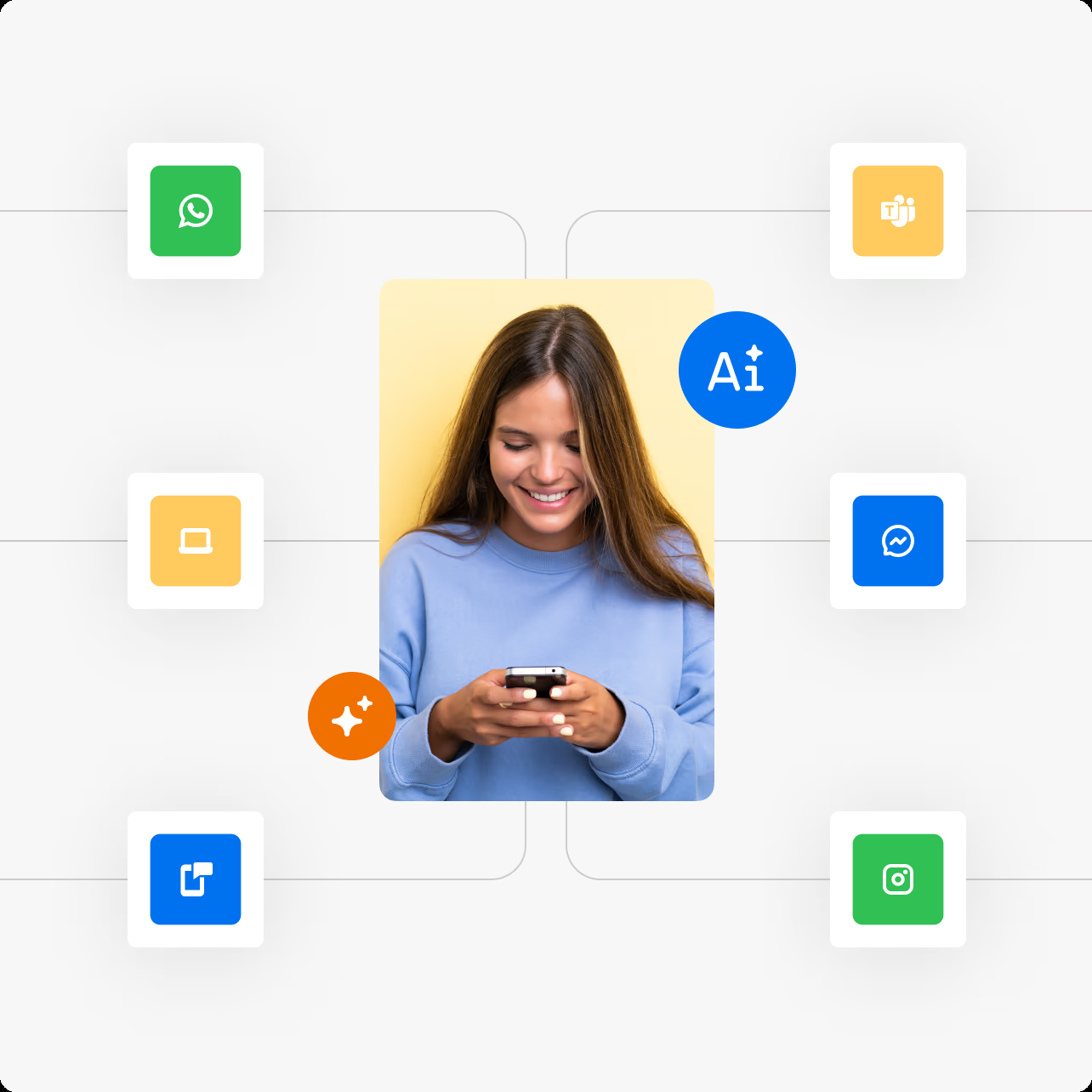
- Seamless Omnichannel Experiences: Customers don’t think in channels; they think about their problem or need. A unified profile ensures that a conversation started with an AI Agent on your app can be seamlessly continued via a Rich Push Notification without the customer ever having to repeat themselves. This consistency builds trust and reduces friction.
- Increased Operational Efficiency: Imagine your marketing team spending less time wrestling with spreadsheets and more time crafting brilliant campaigns. An integrated data ecosystem, often managed through a single interface like the indigitall console, automates data synchronization, eliminating manual errors and freeing up valuable resources for strategic initiatives.
- Higher Customer Lifetime Value (LTV): Personalization and a superior experience directly correlate to loyalty. By understanding the complete customer history, you can proactively identify opportunities for upselling, cross-selling, and preventing churn. This transforms one-time buyers into long-term brand advocates, maximizing their LTV.
- Smarter, Predictive Decision-Making: With a clean, consolidated data source, your analytics become exponentially more powerful. You can accurately forecast trends, segment audiences with precision, and optimize marketing spend with confidence. This reliable data foundation is the key to unlocking the full potential of predictive AI and machine learning models for even smarter engagement.
Ultimately, a unified customer view is the strategic asset that connects your data to real-world results. It transforms your customer engagement from a series of disconnected messages into a single, intelligent, and ongoing conversation that drives sustainable growth.
Break Down Silos for a True 360° Profile
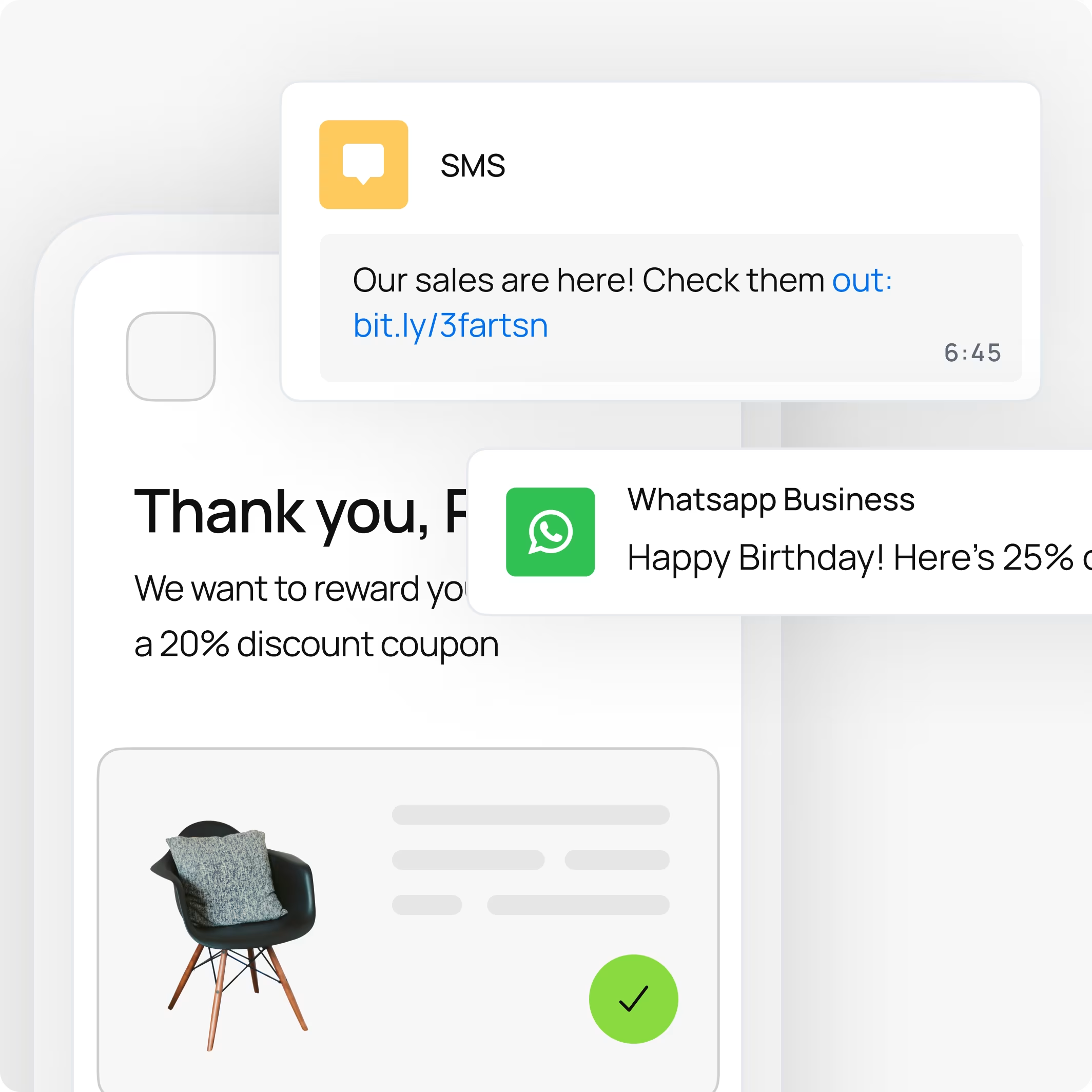
In the digital landscape of 2026, the greatest barrier to exceptional customer experience isn’t a lack of data—it’s the walls between your data. These are data silos: isolated islands of information locked within the specific tools your teams use every day. Your CRM knows the customer’s contact details, your e-commerce platform holds their purchase history, and your support desk logs their service interactions.
While each system is powerful on its own, their separation creates a fragmented and incomplete picture of the customer. This leads to disjointed communication, missed opportunities, and a frustrating user experience that feels anything but personal. In today’s competitive environment, this is a critical disadvantage.
Customer Data Integration (CDI) is the strategic process of demolishing these walls. It acts as a central nervous system, pulling data from every source and unifying it into a single, cohesive, and actionable customer profile. This creates a single source of truth that becomes the bedrock of your entire engagement strategy.
A truly unified profile, powered by CDI, combines multiple layers of insight:
- Transactional & Demographic Data: Information from your CRM and sales platforms, including purchase history, customer lifetime value (LTV), and core contact details.
- Behavioral Data: Real-time signals from your website and mobile app, such as pages viewed, products added to a cart, and time spent on a feature.
- Omnichannel Engagement Data: A complete record of interactions across every channel, including App Push opens, Web Push clicks, WhatsApp message replies, and Mobile Wallet pass usage.
- Service & Support Data: Insights from your helpdesk or AI Agents, like support ticket history, satisfaction scores, and common product questions.
This comprehensive view is what fuels a sophisticated Global Omnichannel Strategy. It’s the intelligence that allows an all-in-one platform to seamlessly orchestrate a Customer Journey. For example, when a user abandons a cart on your website, the system doesn’t just see an isolated event; it understands their full context and can trigger the most effective next step—be it a personalized WhatsApp reminder or a dynamic Push Notification with a limited-time offer.
Breaking down data silos is not merely a technical cleanup exercise. It is the essential first step in transforming your data from a scattered collection of facts into a strategic asset that drives conversion, loyalty, and growth.
Power Hyper-Personalized Customer Journeys
A unified customer profile is not a static database; it’s the dynamic engine for activation. In 2026, the primary purpose of integrating customer data is to power the hyper-personalized experiences that modern consumers demand. This moves beyond basic name tokens and into a new realm of predictive, contextual, and truly individual engagement.
Hyper-personalization means using the complete 360° view of a customer to deliver the right message, on the right channel, at the precise moment of intent. It’s about orchestrating communications that feel less like marketing and more like a one-to-one conversation.
Consider a retail scenario. A customer adds a pair of high-end headphones to their cart but doesn’t complete the purchase. Instead of a generic “You left something behind” email, a truly integrated system enables a far more intelligent Customer Journey. The indigitall platform can leverage multiple data points simultaneously:
- Real-Time Behavior: Cart abandonment trigger.
- Past Purchase History: The user has previously bought products from the same premium audio brand.
- CRM Data: The user is flagged as a ‘VIP Gold’ loyalty member.
- Channel Preference: The user has opted-in and actively engages via WhatsApp.
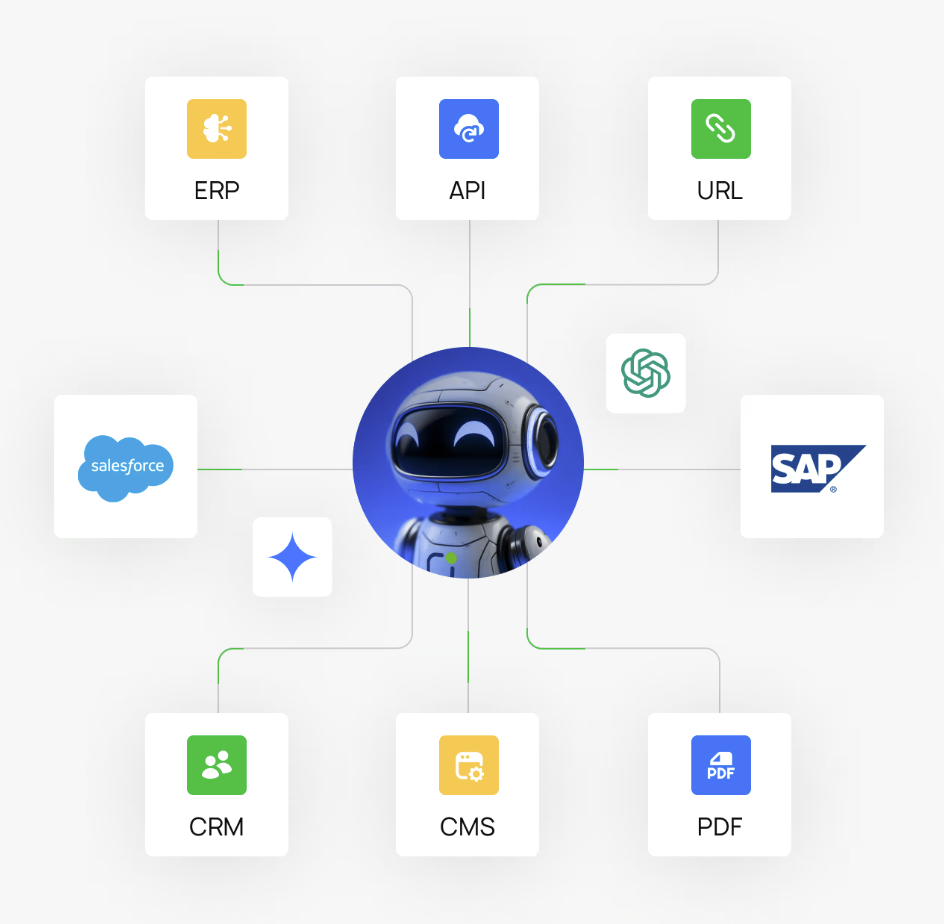
Within minutes, an automated WhatsApp message is triggered: “Hi Sarah, we noticed you were looking at the new Bose QuietComfort Ultra. As a Gold Member, your exclusive 15% discount is ready when you are. Would you like to complete your order with free express shipping?” This single message is powered by four distinct data sources, transforming a simple reminder into a high-value, personalized offer.
This same principle applies to personalizing your digital properties. When a user identified as a ‘VIP customer’ via integrated CRM data logs into your mobile app or website, the experience can transform instantly. The indigitall platform can serve a dynamic hero banner showcasing exclusive offers, provide early access to new products, or even change the navigation to prioritize their most-used features, all based on the rich data within their unified profile.
Orchestrating these sophisticated interactions across a Global Omnichannel Strategy becomes seamless when managed from a single console. Having one platform that understands the complete customer profile and can execute communications across App Push, Web, WhatsApp, and Mobile Wallet is the key to delivering these powerful, conversion-driving Customer Journeys at scale.
Elevate Customer Support and Satisfaction
In 2026, the line between marketing communications and customer support has effectively vanished. Customers expect a single, continuous conversation with your brand, regardless of the channel. A fragmented data strategy creates a disjointed and frustrating experience that modern consumers simply will not tolerate.
Think of the classic support nightmare: a customer explains their issue in detail to a chatbot, then to a live agent, and then again after being transferred to a different department. This outdated process is a direct result of siloed data, where your support team is blind to the customer’s marketing interactions, purchase history, and on-site behavior.
Now, imagine a different scenario. A customer initiates a conversation via WhatsApp Business to ask about a recent order. Your support agent, working from a unified platform like the indigitall console, instantly sees a complete 360° view:
- The web push notification the customer clicked to view the product.
- Their recent browsing activity on your app leading up to the purchase.
- The confirmation email they received.
- Any previous support interactions across any channel.
Armed with this real-time context, the agent can bypass frustrating, repetitive questions and move directly to a swift and effective resolution. This isn’t just about solving a problem; it’s about demonstrating that you know and value your customer. This seamless flow is the hallmark of a true Global Omnichannel Strategy.
By integrating customer data across marketing and support functions, you transform your service team from a reactive cost center into a proactive driver of loyalty. Faster resolutions, higher first-contact resolution rates, and a dramatic boost in customer satisfaction scores are the direct results of equipping your team with the right information at the right time.
How to Build a Modern Customer Data Integration Strategy
In 2026, building a customer data integration strategy is less about technical plumbing and more about designing an intelligent, responsive ecosystem. The goal has shifted from simply collecting data to activating it in real-time to create meaningful, personalized interactions. A successful strategy is a blueprint for turning raw data points into revenue and customer loyalty.
Here is a strategic framework to guide your approach, moving from high-level objectives to omnichannel execution.
- 1. Define Your “Why”: Start with Business ObjectivesBefore a single API is called, you must define what success looks like. Are you aiming to reduce customer churn by 15%, increase average order value through cross-selling, or boost mobile app engagement? Your business goals will dictate which data sources are critical and what a successful integration ultimately enables.
- 2. Map Your Entire Data UniverseConduct a comprehensive audit of every customer touchpoint. This includes the traditional sources like your CRM and e-commerce platform, but in 2026, it’s crucial to map the rich data from your digital channels: in-app behaviors, web interactions, WhatsApp Business conversations, AI Agent chat logs, and Mobile Wallet activity. Visualizing this flow is the first step to breaking down silos.
- 3. Select a Unified Integration ArchitectureThe era of brittle, point-to-point integrations is over. A modern strategy relies on a central hub to connect, standardize, and orchestrate data. An all-in-one customer engagement platform provides this central nervous system, ingesting data from multiple sources and making it immediately actionable within the same environment. This eliminates the latency and complexity of juggling separate tools for data management and campaign execution.
- 4. Prioritize Real-Time, Event-Driven TriggersCustomer expectations are immediate. Your data strategy must be too. Focus on capturing event-driven data—like a “product viewed,” “cart abandoned,” or “support ticket created”—to trigger automated Customer Journeys. A real-time data flow allows you to respond to customer needs in the moment, not days later.
- 5. Enforce Robust Data Governance and QualityIntegrated data is only powerful if it’s clean, compliant, and trustworthy. Implement clear protocols for data cleansing, standardization (e.g., ensuring date formats are consistent), and consent management. A strong governance framework ensures your marketing efforts are built on a solid foundation of high-quality, ethically-sourced data.
- 6. Activate Your Data with Omnichannel OrchestrationThis is where your strategy comes to life. With a unified data profile, you can design sophisticated Customer Journeys that seamlessly cross channels. Imagine a customer browsing a product on your website (web data), then receiving a targeted Push Notification on your app (app data), and finally completing the purchase via a link sent on WhatsApp (conversational data). This is the power of a Global Omnichannel Strategy, all powered by a single, integrated data view in the indigitall console.
Ultimately, a modern customer data integration strategy is a living initiative. It’s about creating a continuous loop of listening, understanding, and responding to your customers with unparalleled precision and relevance across every channel they use.
Step 1: Identify and Map Your Customer Data Sources
Before you can build a unified customer profile, you must first conduct a thorough audit of your existing data ecosystem. Think of this as creating a blueprint of your entire data architecture. In 2026, the number of touchpoints has expanded dramatically, making this foundational step more critical than ever.
The goal is to identify every platform, system, and channel where customer information is generated and stored. Fragmented data is the primary obstacle to achieving a 360-degree view, and this mapping process brings clarity to the challenge ahead.
Most organizations will find their data living in several core silos. A comprehensive audit should include:
- CRM Platforms: This is often the heart of your customer data. Systems like Salesforce or HubSpot contain invaluable information on lead status, contact details, deal history, and direct sales interactions.
- E-commerce Systems: For any transactional business, platforms like Shopify or Magento are goldmines. They track purchase history, average order value (AOV), abandoned carts, and product preferences.
- Web and App Analytics Tools: Platforms such as Google Analytics and Mixpanel capture crucial behavioral data. This includes user navigation paths, feature adoption, session duration, and conversion funnels on your digital properties.
- Customer Support & Helpdesk Software: Your support desk is a direct line to customer sentiment. Tools like Zendesk or Intercom log service tickets, problem resolutions, and direct feedback that reveal pain points and satisfaction levels.
Beyond these traditional sources, a modern Global Omnichannel Strategy must account for the richest data source available today: conversational channels. The complete chat history from platforms like WhatsApp and interactions with your AI Agents are no longer just for support; they are a direct transcript of customer intent, sentiment, and needs.
Analyzing these conversations unlocks profound insights that structured data alone cannot provide. Orchestrating this flow of information from so many disparate systems is complex, which is why a unified platform that can centralize these feeds is a powerful strategic advantage for any marketing team.
Step 2: Choose Your Technology: The Rise of Engagement Platforms
Once your data sources are mapped, the critical next step is choosing the technological foundation to unify and activate them. The landscape of data integration has evolved dramatically, and the choices made now in 2026 will define your brand’s agility for years to come.
For a long time, the standard approach involved a complex patchwork of technologies. Brands relied on custom ETL (Extract, Transform, Load) scripts and massive data warehouses. While powerful, this methodology is a relic of a different era—often slow, resource-intensive, and creating a frustrating lag between data collection and marketing action.
This legacy model creates two fundamental problems:
- Complexity and Cost: It requires dedicated data engineering teams to build and maintain brittle data pipelines. The total cost of ownership, factoring in multiple software licenses and specialized headcount, is substantial.
- The Insight-to-Action Gap: Data would be aggregated in one place (the warehouse) but needed to be ported to another system (the marketing cloud or ESP) for activation. This gap meant delays, data loss, and an inability to react to customer behavior in real time.
The modern, streamlined alternative is a unified Customer Engagement Platform. This new generation of technology is designed not just to store data, but to be an end-to-end solution that connects data integration directly to communication orchestration.
This is where the indigitall platform excels. We built our ecosystem to serve as both the central nervous system (the ‘brain’) for your customer data and the versatile messenger (the ‘voice’) for your brand. Instead of stitching together a separate CDP, a mobile marketing tool, and a WhatsApp Business provider, you get a single, cohesive environment.
By unifying data ingestion with channels like App Push, Web Push, WhatsApp, and Mobile Wallet, indigitall eliminates the insight-to-action gap entirely. This architecture is the engine for a true Global Omnichannel Strategy, allowing you to design and launch a sophisticated Customer Journey from a single source of truth within the indigitall console. The result is unparalleled speed, efficiency, and the power to deliver the seamless, personalized experiences modern customers demand.
Step 3: Unify Data from Inbound and Outbound Channels
In the digital landscape of 2026, the most common roadblock to a true 360° customer view is the persistent silo between marketing and service platforms. Most technology stacks are fragmented, with one set of tools for outbound marketing (campaigns, promotions) and an entirely separate ecosystem for inbound service (support chats, helpdesk tickets).
This division creates a disconnected and often frustrating customer experience. True customer intelligence isn’t found in just one of these streams; it emerges when they are unified. Knowing what a customer was marketed yesterday is only half the story if you don’t also know what they asked your support AI Agent about an hour ago.
The indigitall platform is architected to bridge this critical gap. We treat every interaction—whether it’s a proactive marketing message or a reactive support query—as part of a single, continuous customer conversation. This holistic approach is no longer a luxury; it’s the core of a modern Global Omnichannel Strategy.
Consider this common scenario:
- A customer initiates a conversation with your brand via WhatsApp to resolve a billing issue (an inbound interaction).
- Simultaneously, your marketing automation platform, unaware of this issue, sends them a generic promotional App Push notification (an outbound message).
The result is a jarring experience that signals a lack of internal awareness. By unifying these data flows within the indigitall console, you can build smarter Customer Journeys. The platform can automatically pause outbound campaigns for a user who has an open support ticket, ensuring your communications are always contextual and relevant.
Fusing these data sources transforms your strategy from simply sending messages to orchestrating meaningful, two-way dialogues. This is the foundation for maximizing customer lifetime value and building genuine brand loyalty.
Putting Your Integrated Data into Action with indigitall
A unified customer profile is a powerful asset, but its true value is only unlocked through action. Once your data is centralized and accessible, the indigitall platform becomes the engine for orchestrating intelligent, real-time communications that drive results. The 360° view is the blueprint; our tools are what you build with it.
Let’s explore how a Global Omnichannel Strategy, powered by integrated data, transforms customer engagement in 2026. These aren’t theoretical concepts; they are practical, high-impact Customer Journeys you can build directly within the indigitall console.
Use Case 1: The AI-Powered Retail Experience
Imagine a customer browses for “smart home lighting” on your website but doesn’t make a purchase. With an integrated data stream, your system knows their past purchases include other smart home devices and that they are a high-value app user.
- The Trigger: Web browsing behavior is instantly synced with their customer profile.
- The Journey: An automated Customer Journey begins. Twenty-four hours later, an App Push notification is sent showcasing a new, compatible smart lighting system with a personalized “loyalty member” discount.
- The Escalation: If the user doesn’t convert, the journey can pivot. A WhatsApp message is triggered, powered by a generative AI Agent, offering to answer technical questions or compare models directly in their preferred chat app. This seamless transition from a passive notification to an active conversation dramatically increases the likelihood of conversion.
Use Case 2: Proactive Financial Services & Security
In the banking sector, trust and security are paramount. Integrated transactional data allows for proactive communication that enhances both. Consider a scenario where your system flags a large, unusual transaction from a new device.
- The Trigger: An API call from your core banking system to indigitall based on a fraud-detection rule.
- The Journey: An immediate, high-priority push notification is sent to the customer’s trusted device: “Security Alert: A transaction of €1,500 was just attempted from a new device. Was this you?”
- The Resolution: The notification includes rich buttons for “Yes, Authorize” or “No, Secure My Account.” A “No” response can instantly trigger a workflow that temporarily freezes the card and connects the user to a specialized AI support agent via in-app chat, providing instant peace of mind and demonstrating robust security protocols.
Use Case 3: Predictive Retention in Telecommunications
Customer churn is a major challenge for telcos. By integrating usage data, contract information, and support history, you can move from reactive to predictive retention strategies.
- The Trigger: A combination of factors—declining data usage, no app logins for 90 days, and a contract expiring in two months—flags a customer as a high churn risk.
- The Journey: A Customer Journey is initiated to proactively re-engage them. It starts with a personalized App Push offering a free data upgrade for the next month, encouraging them to experience the network’s full potential again.
- The Omnichannel Nurture: If they don’t engage, the journey sends a follow-up via WhatsApp a week later, highlighting an exclusive renewal offer tailored to their historical usage patterns. This demonstrates that you understand their needs and value their loyalty, turning a potential churn event into a retention opportunity.
These examples illustrate a crucial point: an all-in-one platform is essential. The ability to orchestrate actions across Web Push, App Push, WhatsApp, and AI Agents from a single console—all informed by the same unified data source—is what separates a disjointed messaging strategy from a truly seamless and effective customer experience ecosystem.
From Unified Profile to Omnichannel Campaign
A unified customer profile is the strategic foundation, but its true power is unleashed when you activate that data. In 2026, the goal isn’t just to know your customer; it’s to anticipate their needs and engage them on their preferred channel at the perfect moment. This is where a 360° data view transforms into intelligent, automated action.
Let’s consider a practical, everyday scenario. A customer browses your website for a new smart thermostat, adds it to her cart, but gets interrupted before completing the purchase. A few hours later, she opens WhatsApp to ask your brand’s support channel, “What’s the warranty on the new Eco-Smart Thermostat?”
In a siloed system, these are two disconnected events. With indigitall, they are two critical data points in a single, evolving narrative. Our platform captures the add_to_cart event from your website and seamlessly links it to the WhatsApp_inbound_query from her mobile device, all within one unified profile.
This is where the magic happens for the marketing manager. Inside the indigitall console, they can design a sophisticated, automated Customer Journey that leverages this rich, cross-channel context. The flow could look like this:
- Trigger: The journey begins when a cart is abandoned for more than two hours.
- Step 1: Contextual WhatsApp Message. The system checks if the user has recently interacted on WhatsApp. Seeing her query, it sends a personalized message: “Hi Sarah, our team confirmed the Eco-Smart Thermostat has a 3-year warranty. Your cart is saved and ready when you are!” This message is helpful, timely, and directly addresses her concern.
- Step 2: Intelligent Channel Escalation. The journey waits 24 hours. If a purchase event is still not detected, it proceeds to the next step in its omnichannel sequence.
- Step 3: App Push Notification with Incentive. A push notification is sent to her smartphone: “Ready to make your home smarter? Get 15% off your Eco-Smart Thermostat for the next 48 hours. Tap to complete your order.”
This entire sequence is orchestrated automatically, turning fragmented data points into a cohesive and persuasive conversation. It demonstrates an understanding of the customer’s full context, moving beyond simple retargeting to build a truly intelligent, Global Omnichannel Strategy that drives conversion and deepens loyalty.
Leverage Accessible AI for Smarter Engagement
By 2026, the conversation around artificial intelligence in marketing has shifted from a distant, complex possibility to a practical, daily tool. The true power of your 360° customer view is only unlocked when you can act on it intelligently and at scale. This is where accessible AI, like the engine built into the indigitall platform, becomes your most valuable asset.
Our goal at indigitall has been to democratize this power. You no longer need a dedicated team of data scientists to interpret behavior or predict outcomes. Indigitall AI uses your unified customer data as fuel, transforming raw information into automated, high-impact actions directly from the indigitall console.
This intelligent layer supercharges your Customer Journeys in two fundamental ways:
- Predictive Orchestration: The platform’s AI analyzes individual user engagement patterns to determine the optimal time and channel for every single message. It automatically learns whether a user is more responsive to a WhatsApp message in the morning or an App Push in the evening, ensuring your communication lands with maximum impact. This is the core of a truly dynamic Global Omnichannel Strategy.
- Generative Content Personalization: Empower your marketing team to move faster and test more effectively. Instead of manually writing dozens of copy variations, marketers can input a core offer and let Indigitall AI generate multiple personalized versions tailored to different segments. This allows for rapid A/B/n testing and optimization without straining creative resources.
Having this intelligence integrated within an all-in-one solution is critical. The seamless flow of data from collection to AI-driven analysis and finally to omnichannel execution creates a powerful feedback loop. The indigitall platform learns from every interaction, continuously refining its predictions to drive higher engagement, boost conversions, and maximize customer lifetime value.
Why Choose Indigitall Over Traditional Solutions?
In the competitive martech landscape of 2026, brands are inundated with choices. Established enterprise suites like Salesforce Marketing Cloud offer immense power, while specialized point solutions like Braze provide deep channel-specific functionality. However, these traditional models often come with steep learning curves, prolonged implementation cycles, and a fragmented view of the customer.
indigitall was built to address these modern challenges directly. We provide a single, agile, and powerful platform designed to unify your customer data and communications without the complexity and overhead of legacy systems.
Accelerated Time-to-Value and Unmatched Ease of Use. While legacy enterprise platforms can take months or even years to fully implement and require dedicated IT teams to operate, indigitall is designed for speed and agility. Our intuitive, no-code interface empowers marketing and CRM teams to build sophisticated Customer Journey automations, launch campaigns, and analyze results directly from the indigitall console—often within days, not quarters.
A Cost-Effective, All-in-One Architecture. Assembling a modern engagement stack traditionally means stitching together a separate CDP, multiple integration tools, and various messaging channel providers. This approach inflates costs through multiple licenses, complex integration projects, and ongoing maintenance. indigitall eliminates this by providing a unified solution that includes data management, journey orchestration, and direct channel delivery (App & Web Push, WhatsApp Business, Mobile Wallet, and more) in one cost-effective platform.
The Power of a Truly Unified Platform. This is our core differentiator. Many platforms claim to be “omnichannel,” but are often a collection of siloed products that struggle to share data in real-time. indigitall is built from the ground up as a single, cohesive ecosystem. This means the data from a generative AI support agent conversation via WhatsApp can instantly inform the next marketing message sent via an App Push notification.
This seamless integration allows you to execute a Global Omnichannel Strategy where you manage the entire customer lifecycle—from initial marketing acquisition to ongoing engagement and real-time support—in one place. By breaking down the walls between marketing, sales, and service, you deliver a consistently superior experience that maximizes customer lifetime value.
Conclusion: Data Integration is the Foundation of Engagement
As we’ve explored, the landscape of customer interaction in 2026 is defined by hyper-personalization and real-time responsiveness. Customer Data Integration (CDI) is no longer a technical backend project; it is the strategic cornerstone of modern digital engagement and transformation.
The core takeaway is clear: CDI systematically dismantles the data silos that hinder growth. It creates a single source of truth by unifying every inbound and outbound signal—from historical purchase data in your CRM to real-time behavioral data on your app—into a living, breathing customer profile.
But remember, the objective isn’t merely to accumulate data. The true value is unlocked when that data becomes actionable, empowering you to move beyond generic campaigns and build authentic, one-to-one relationships that drive loyalty and maximize customer lifetime value.
This unified view is the engine for a true Global Omnichannel Strategy. It allows you to orchestrate seamless Customer Journeys where an abandoned cart on your website can intelligently trigger a reminder via App Push, or a query on your app can initiate a helpful conversation with an AI Agent over WhatsApp—all in perfect context.
Attempting to manage this complex orchestration with disparate tools creates friction and missed opportunities. An integrated platform like indigitall provides a seamless ecosystem, connecting your data sources directly to your engagement channels within a single, powerful console.
Ready to build a truly unified customer view? See how indigitall connects your data and channels. Request a demo today.