indigitall Omni AI
 Start chat with AI agent
 Speak with AI voice agent
 Book a Demo

 Speak to an Expert










A Strategic Guide to Multichannel Optimization in 2024


What is Multichannel Optimization (And Why Is It Critical)?
In 2026, the cost of irrelevant communication is higher than ever. Research shows that brands implementing advanced personalization and channel optimization strategies see up to a 25% increase in customer lifetime value (LTV), while those still relying on generic, high-volume blasts are experiencing record-high churn rates. The message is clear: effectiveness has replaced volume as the key metric for success.
Multichannel Optimization is the data-driven, intelligent process of selecting the most effective channel, the optimal time, and the most resonant content for every single user interaction. It’s about moving beyond simply being present on multiple channels and instead orchestrating them with precision to maximize a specific business goal, whether that’s driving a conversion, deepening engagement, or preventing churn.
It’s crucial to distinguish this from related, but distinct, concepts:
- Multichannel Marketing: This is the foundational layer—simply using more than one channel to communicate with your audience (e.g., having an app, a website, and a WhatsApp presence). It’s about presence, not performance.
- Omnichannel Strategy: This is the next step up, focusing on creating a seamless and connected experience as users move between your channels. It ensures consistency, but doesn’t inherently guarantee that you’re using the best channel for each specific message.
Multichannel Optimization is the intelligence layer that sits on top of your omnichannel framework. It answers the critical question: “For this specific customer, for this specific message, is an interactive App Push, a timely WhatsApp notification, or a personalized In-App message the most effective way to achieve our objective?”
Today’s customers don’t just prefer personalization; they expect it. They expect you to understand their communication habits and respect their preferences. Sending the same promotion via email, SMS, and push notification simultaneously isn’t an effective strategy—it’s digital noise that leads to fatigue and unsubscribes. The goal is to build a smarter, more respectful dialogue.
Achieving this level of sophisticated orchestration across a Global Omnichannel Strategy requires a unified platform. Managing data, automation, AI-driven decisions, and diverse channels like WhatsApp Business, Mobile Wallet, and Web Push from a single console is no longer a luxury—it’s essential for building the efficient and impactful Customer Journeys that define market leaders in 2026.
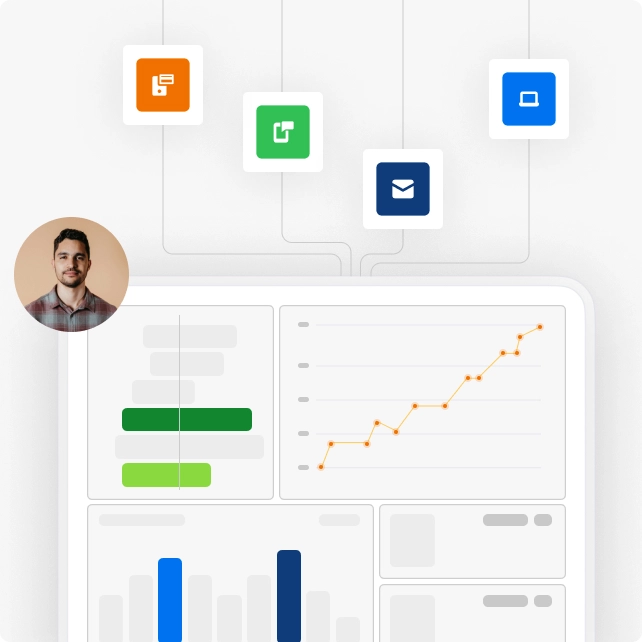
The Core Pillars of a Successful Optimization Strategy
Before we dive into the advanced tactics and technologies shaping customer engagement in 2026, it’s critical to establish the bedrock of your strategy. The most sophisticated AI agents or automated Customer Journeys will fail to deliver ROI if they are built on a shaky foundation. These core pillars are the non-negotiable prerequisites for meaningful, sustainable growth.
Think of these pillars not as a checklist, but as an interconnected ecosystem. Success in one area directly fuels performance in another, creating a powerful flywheel effect for your entire multichannel optimization effort.
- Unified Customer Data: The era of siloed data is definitively over. A true 360-degree view of your customer is the price of entry for effective personalization. This means centralizing data from your app, website, CRM, and offline touchpoints into a single, accessible profile. An integrated platform makes this seamless, allowing you to trigger a WhatsApp message based on an abandoned web cart, all from one unified console.
- Deep Segmentation and Intent-Focus: Moving beyond basic demographics is essential. In 2026, leading brands segment audiences based on behavior, predictive LTV, and real-time intent signals. Knowing a user is a high-value, frequent app user versus a first-time web visitor dictates not just the message, but the entire Omnichannel approach you deploy.
- Strategic Channel Orchestration: A successful strategy isn’t about being on every channel; it’s about using the right channel for the right purpose. An App Push Notification is ideal for a time-sensitive flash sale, while a conversational AI Agent on WhatsApp is perfect for resolving a complex customer service query. True orchestration ensures these channels work in concert, not in competition, creating a fluid Customer Journey.
- A Culture of Continuous Iteration: Your first strategy is your starting line, not your finish line. The digital landscape evolves too quickly for a “set it and forget it” mindset. Building a framework for agile testing, measurement, and learning is paramount. This means constantly A/B testing push notification copy, analyzing Customer Journey drop-off points, and using those insights to refine your approach directly within your marketing automation platform.
With these pillars firmly in place, you create an environment where technology, like the solutions offered by indigitall, can act as a powerful amplifier for a well-defined strategy, rather than a temporary fix for foundational weaknesses.
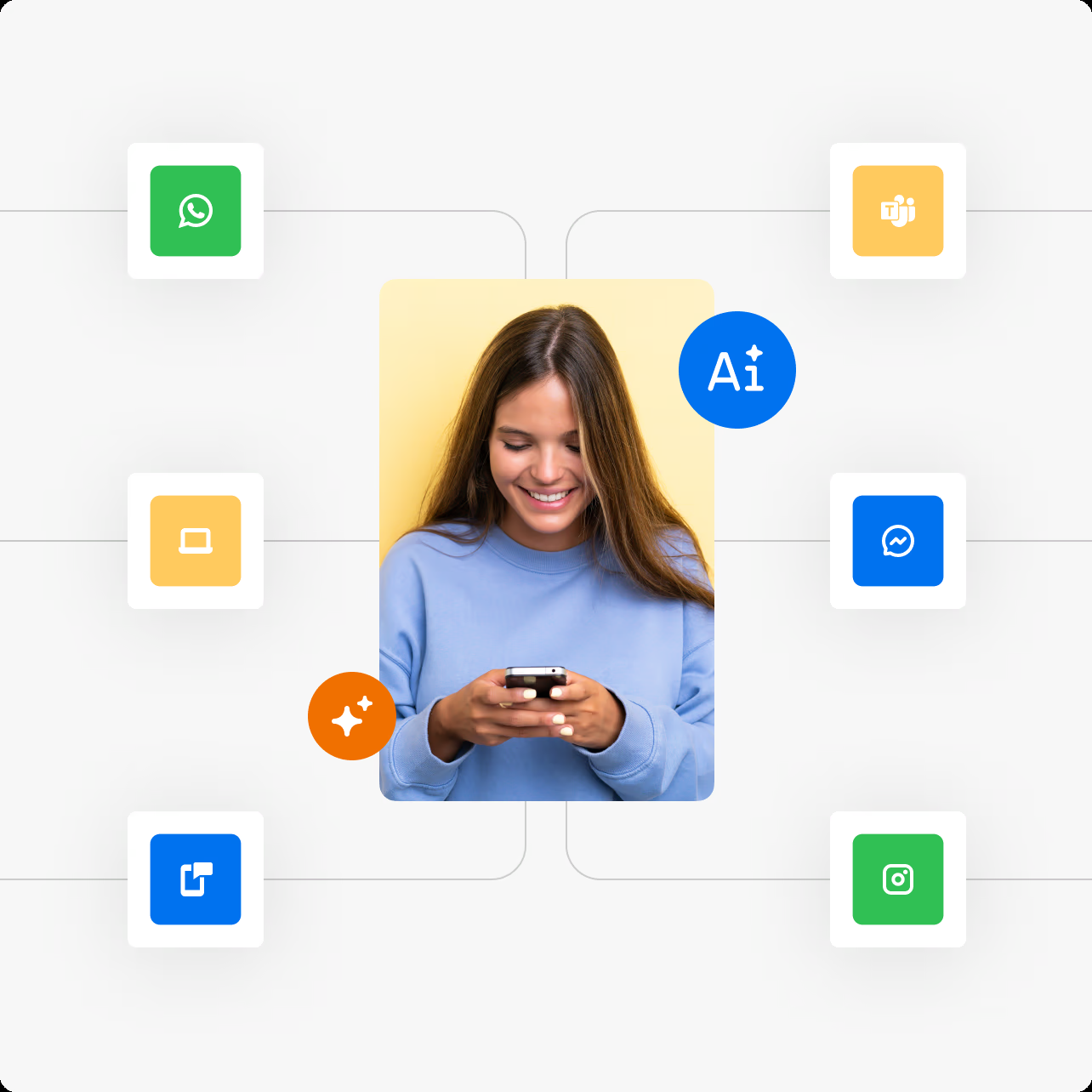
Pillar 1: The Unified Customer Profile
In 2026, the most significant obstacle to effective omnichannel optimization is no longer the technology itself, but the fragmented data that fuels it. Attempting to personalize a Customer Journey with siloed information is like navigating a new city with a dozen torn map pieces. True optimization is impossible without a single, coherent view of your user.
The Unified Customer Profile is the foundational pillar for any modern engagement strategy. It acts as a central nervous system, collecting and consolidating every interaction a user has with your brand into one dynamic, actionable record. This goes far beyond a simple contact list in a CRM.
A truly powerful unified profile integrates multiple data streams in real-time to build a comprehensive picture. Key components include:
- Behavioral Data: Tracking user actions across your digital ecosystem, such as app usage patterns, website pages visited, features engaged with, and cart abandonment signals.
- Transactional Data: A complete history of purchases, subscription status, loyalty tier, and lifetime value (LTV) that informs their commercial relationship with you.
- Interaction History: A crucial log of both inbound (support queries on WhatsApp, AI Agent chats) and outbound (marketing pushes, email campaigns) communications to understand the full context of the conversation.
- Channel Preferences: Understanding whether a user responds best to an App Push Notification, an in-app message, or a direct message, allowing for communication that respects their preferences and boosts engagement.
By bringing inbound and outbound interactions together, you gain invaluable context. Imagine knowing a customer just resolved a support ticket via an AI Agent before you send them a new promotional offer. This holistic view prevents jarring experiences and enables you to orchestrate smarter, more empathetic communication.
Modern engagement platforms like indigitall are architected around this very concept. By building a Unified Customer Profile directly into the engagement engine, the indigitall platform eliminates the data latency and integration complexities of legacy systems. This native integration is what makes a seamless, Global Omnichannel Strategy not just possible, but powerful and efficient to execute.
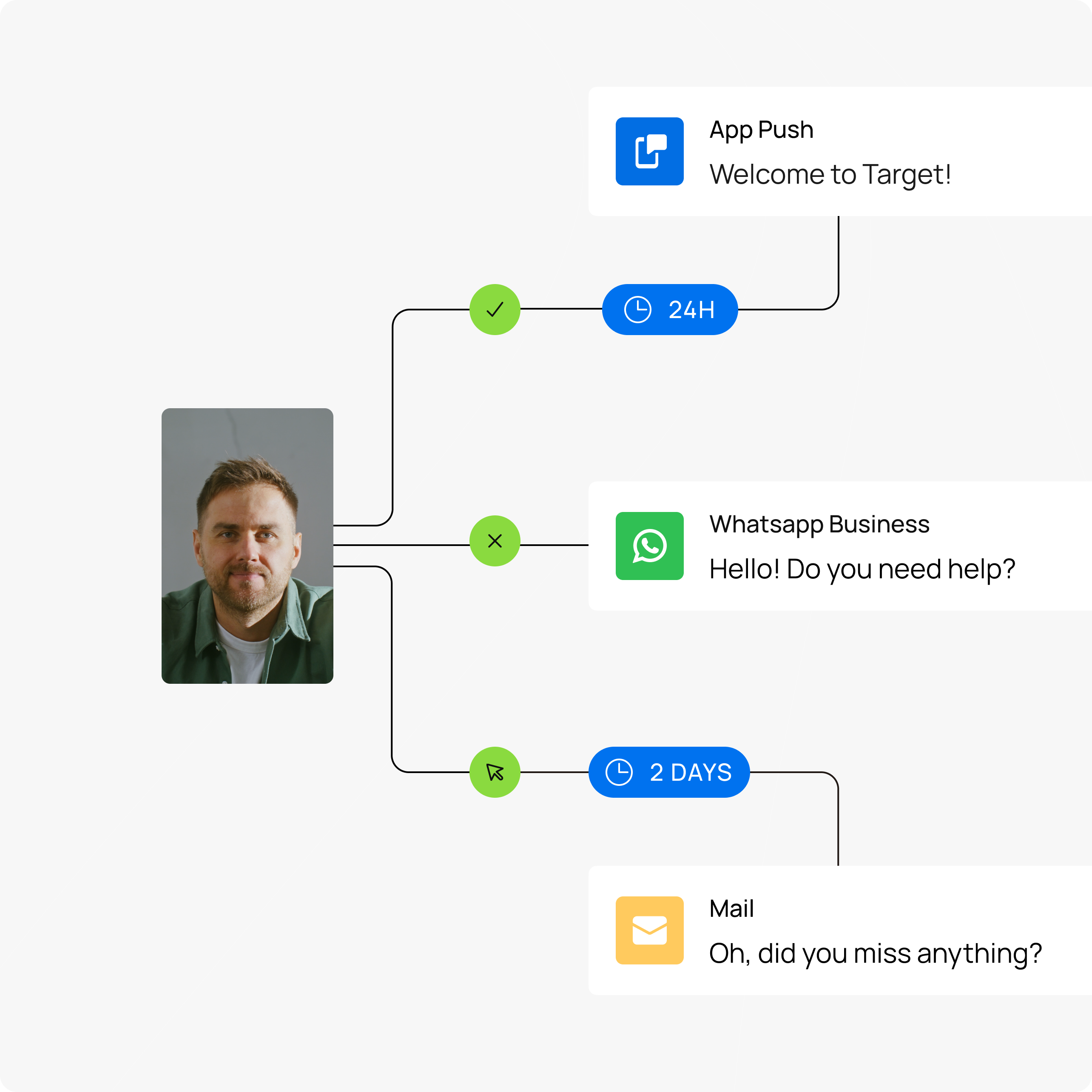
Pillar 2: Intelligent Channel Selection
In 2026, the question is no longer “Which channels should we be on?” but rather, “Which channel is most effective for this specific user, for this specific message, right now?” Moving beyond a simple checklist approach to channel presence is fundamental to modern engagement. Intelligent channel selection is a strategic decision-making process based on four key variables: urgency, content type, user preference, and cost.
A successful Global Omnichannel Strategy requires a nuanced understanding of each channel’s unique strengths within your digital ecosystem. The goal is not to blast a message everywhere, but to deliver it with precision where it will have the greatest impact.
Let’s analyze the primary roles of today’s key digital channels:
- Push Notifications (App & Web): The champions of immediacy and urgency. Ideal for time-sensitive alerts like flash sales, order status updates, or breaking news. Their direct-to-screen nature is unparalleled for driving immediate action.
- In-App Messages: The masters of contextual engagement. Deployed when a user is already active within your app, they are perfect for feature onboarding, personalized offers based on in-app behavior, or collecting immediate feedback without disruption.
- Email: The home for rich, long-form content. While not suited for urgent alerts, email remains the powerhouse for detailed newsletters, complex account summaries, and nurturing campaigns where users can consume information at their own pace.
- SMS: The reliable channel for high-priority, critical alerts. With its near-universal reach and high open rates, SMS is reserved for essential communications like two-factor authentication codes, appointment confirmations, or fraud alerts.
- WhatsApp: The hub for conversational and interactive engagement. This channel has evolved far beyond simple messaging; it’s now a primary interface for customer service, personalized consultations, and rich media campaigns, often powered by sophisticated AI Agents.
The crucial takeaway is that the ‘best’ channel is entirely dependent on the user and the context. A customer might prefer a WhatsApp message for a support query but an email for their monthly statement. These preferences can shift over time and across different stages of the Customer Journey.
This is precisely why manual channel selection fails at scale. Attempting to manually track and adapt to the fluid preferences of thousands or millions of users is an impossible task. True optimization in 2026 relies on a unified platform that leverages data and machine learning to orchestrate these channels automatically. The indigitall console, for example, empowers brands to define the logic of a Customer Journey and lets the system determine the optimal channel for each individual, ensuring your message is not only sent, but effectively received.
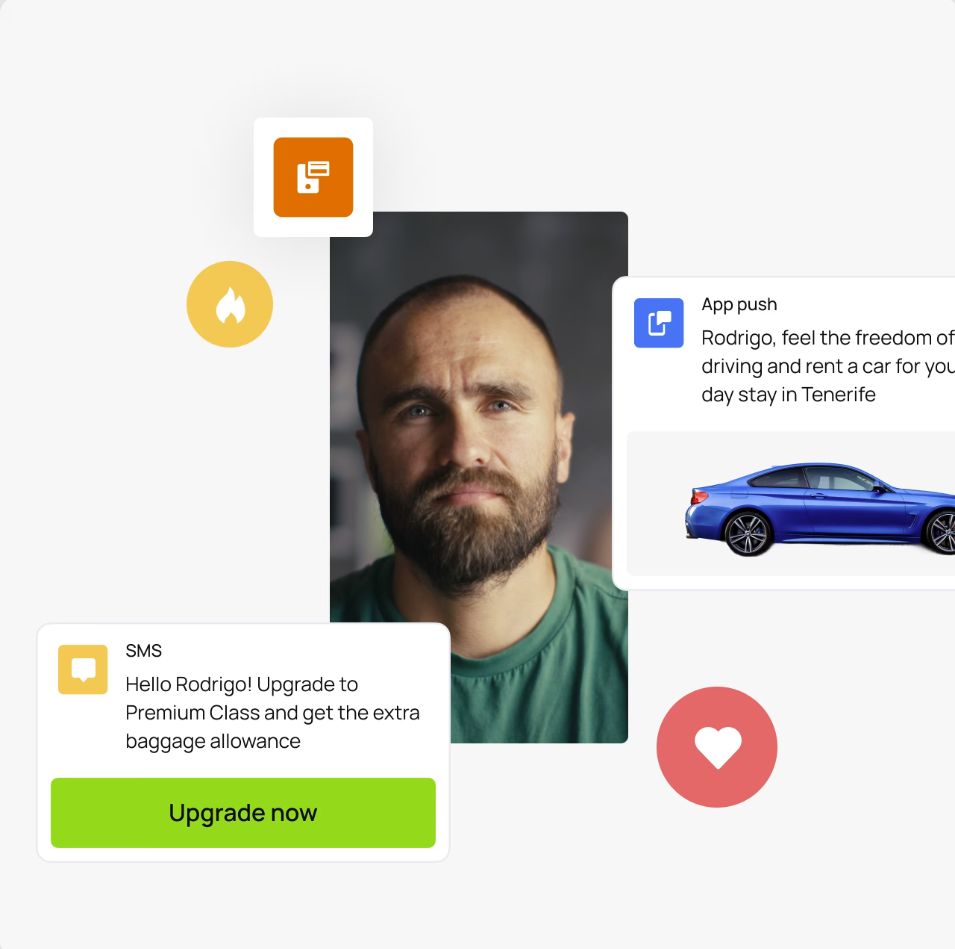
Pillar 3: Dynamic Content & Personalization
Once you’ve identified the right channels, the next frontier is ensuring the message itself is perfectly sculpted for both the medium and the moment. In 2026, one-size-fits-all broadcasting is a relic. True engagement stems from dynamic content that feels personal, relevant, and contextually aware.
This means moving beyond just using a customer’s first name. It’s about adapting the entire format and substance of your communication to the channel’s strengths and the user’s immediate context. A powerful message on one channel can feel intrusive or ineffective on another.
Consider the practical differences within a single Global Omnichannel Strategy:
- App Push Notifications: This is your digital billboard. Use it for high-impact, visual communication. A rich push notification for a retail app shouldn’t just say “Your cart is waiting”—it should show an image of the product, include interactive buttons like “Complete Purchase,” and perhaps a dynamic countdown timer for a flash sale.
- WhatsApp & SMS: These channels are more immediate and conversational. A concise SMS is perfect for urgent, transactional alerts like “Your order has shipped.” A WhatsApp message, however, can be richer, offering a quick-view catalog or a button to chat with a support agent, leveraging its more interactive nature.
- In-App Messages: Here, context is everything. An in-app message should feel like a natural part of the user experience. If a user has just read an article about savings accounts, an in-app message can surface a personalized offer to open one, directly referencing their recent activity.
Manually creating endless variations for every channel and segment is no longer scalable for modern marketing teams. This is where the power of an integrated platform and artificial intelligence becomes a strategic advantage. As of 2026, generative AI is a core component of advanced marketing automation.
Within the indigitall console, AI agents can suggest multiple copy variations for A/B testing, automatically adapt a core message to fit the character limits of SMS or the interactive format of a rich push, and even recommend imagery based on a user’s known preferences. This empowers teams to deliver hyper-personalization at scale, turning a complex orchestration into a seamless workflow.
The ‘Optimization’ Engine: From Manual Rules to Predictive AI
For years, the gold standard in marketing automation was the visual journey builder. These platforms empowered marketers to map out customer interactions using simple, rule-based logic: if a user does X, then send message Y. While revolutionary at the time, this static ‘if-this-then-that’ model is showing its age in the dynamic digital ecosystem of 2026.
The fundamental limitation of a rules-based system is its rigidity. It assumes you can manually predict every perfect path for millions of unique users. In reality, these journeys often lead to communication dead-ends or suboptimal channel choices because they cannot adapt in real-time to a customer’s evolving intent.
True optimization requires a shift from pre-defined rules to probabilistic decision-making. This is where a predictive engine, powered by sophisticated machine learning models, becomes the core of a modern Customer Journey. Instead of following a rigid map, the system continuously calculates the highest-probability path to conversion for each individual user at every touchpoint.
At the heart of this engine is a concept similar to reinforcement learning. Think of it as a system that runs millions of simulations simultaneously. It learns from every single interaction—every open, click, and conversion—across your entire customer base. It then uses that collective intelligence to answer critical questions in milliseconds:
- Which message variant is most likely to resonate with this specific user segment?
- What is the optimal time of day to send this communication to maximize engagement?
- Based on their past behavior, will this user respond better to a Push Notification, a WhatsApp message, or an in-app prompt?
This level of intelligence is what transforms a series of disconnected messages into a truly cohesive Global Omnichannel Strategy. The AI doesn’t just automate messages; it orchestrates experiences, selecting the perfect channel and moment to drive action. This is a far cry from manually setting up a simple A/B test and waiting weeks for inconclusive results.
Building and maintaining such a predictive engine is a monumental task, requiring dedicated teams of data scientists and engineers. This is why partnering with a purpose-built platform is no longer a luxury but a strategic necessity. An all-in-one solution like indigitall provides this sophisticated optimization engine as a core component, making a level of personalization and efficiency that was once theoretical an accessible reality within the indigitall console.
Choosing Your Technology: The Platform vs. Point Solutions Dilemma
As we navigate the complexities of 2026, the technology you choose to power your customer engagement is more critical than ever. The central question for every digital leader is whether to assemble a stack of specialized “point solutions” or invest in a single, unified platform. This decision directly impacts your team’s agility, your data integrity, and the quality of the customer experience you can deliver.
Many organizations still rely on a patchwork of tools. They might use one provider for email, another for push notifications, and a separate system for conversational channels like WhatsApp. This approach, while seemingly flexible, inevitably creates the very data silos that cripple a modern Omnichannel strategy. When your marketing, sales, and support data live in separate universes, creating a cohesive Customer Journey becomes a Herculean task of integration and reconciliation.
On the other hand, legacy marketing clouds from the early 2020s, such as Braze or Salesforce, were built for an era dominated by outbound campaigns. While powerful for marketing automation, they often treat conversational and service interactions as an afterthought, requiring complex integrations and significant developer resources to bridge the gap. In 2026, your strategy must encompass the entire lifecycle, not just the marketing funnel.
This is where indigitall provides a decisive advantage. Our platform was architected from the ground up to unify marketing, communication, and AI-driven service into a single, seamless ecosystem. We eliminate the false choice between powerful marketing and intelligent support, enabling you to orchestrate every touchpoint from one central console.
- True Omnichannel Orchestration: indigitall doesn’t just send messages; it manages conversations. Our platform natively integrates channels like App Push, Web Push, WhatsApp, and Mobile Wallet, allowing you to build fluid Customer Journeys that adapt to user behavior in real-time, whether for a promotion or a support query.
- Natively Integrated AI: Instead of bolting on a third-party chatbot, our AI Agents are a core component of the platform. They leverage the same unified customer profile as your marketing campaigns, ensuring context-rich, personalized service that boosts satisfaction and reduces operational costs.
- Operational Agility for Marketers: We empower your marketing and CRM teams to build, launch, and optimize sophisticated campaigns directly from the indigitall console. This reduces reliance on technical teams, shortens time-to-market, and puts strategic control back in the hands of the practitioners.
Choosing your technology stack in 2026 is a strategic bet on your future capabilities. Stitching together disparate systems is a strategy for fragmentation. A unified platform like indigitall is a strategy for growth, efficiency, and a truly customer-centric future.
Indigitall: The All-in-One Platform for True Optimization
Understanding the theories behind multichannel optimization is crucial, but putting them into practice requires a technology partner built for the complexities of the 2026 digital landscape. True optimization isn’t just about sending the right message; it’s about orchestrating a complete, two-way brand experience. This is where a unified platform like indigitall transforms strategy into tangible results.
Unifying Inbound and Outbound Communication
For years, marketing (outbound) and customer support (inbound) have operated in separate silos with different tools and data. This creates a disjointed customer experience. A promotional WhatsApp message can’t seamlessly transition into a support conversation, forcing users into frustrating channel hops.
The indigitall platform dissolves these barriers by managing both outbound campaigns and inbound conversations within a single ecosystem. This means a customer can receive a targeted offer via WhatsApp, reply with a product question answered by an AI Agent, and be escalated to a live agent if needed—all within the same thread and tied to a single, comprehensive customer profile. It’s the key to delivering a truly seamless Customer Journey.
Making Generative and Predictive AI Accessible
In 2026, AI is no longer a luxury but a core component of any competitive strategy. indigitall embeds powerful, accessible AI directly into the marketer’s workflow. You don’t need a team of data scientists to leverage predictive send-time optimization or use generative AI to suggest compelling copy for your push notifications.
Our tools are designed for marketing and CRM teams, enabling them to launch smarter, more personalized campaigns faster. This dramatically shortens the Time-to-Value, allowing you to see higher engagement and conversion rates without a steep technical learning curve, all managed from the intuitive indigitall console.
Native WhatsApp Leadership for a Conversational World
As conversational channels dominate, the quality of your integration matters. While many platforms offer WhatsApp capabilities, indigitall provides a deep, native integration with the WhatsApp Business API. This isn’t a layered-on solution; it’s a foundational pillar of our Global Omnichannel Strategy.
- Richer Features and Reliability: Native integration ensures maximum uptime and immediate access to the latest WhatsApp features, like advanced product carousels and interactive buttons, that are crucial for retail and banking.
- Seamless Blended Journeys: Effortlessly combine marketing messages, automated AI Agent flows, and live agent handoffs. This allows you to orchestrate sophisticated Customer Journeys that blend sales, service, and support within one powerful channel.
- Centralized Strategy: By managing WhatsApp alongside your App Push, Web Push, and Mobile Wallet campaigns, you gain a holistic view of customer interactions, enabling smarter decisions and true omnichannel optimization.
Ultimately, indigitall provides the integrated infrastructure necessary to not only design a modern engagement strategy but to execute, measure, and optimize it with precision and agility.
Putting It All Together: A 4-Step Implementation Plan
Theory and strategy are foundational, but execution is where value is created. Transitioning to a truly optimized omnichannel model in 2026 requires a structured approach. This four-step plan provides a practical roadmap for moving from concept to conversion.
Step 1: Consolidate Your Data Foundation
Before you can orchestrate a seamless experience, you need a single source of truth. The fragmented data silos of the past are no longer viable. Begin by auditing all customer data sources—your CRM, CDP, analytics platforms, and e-commerce systems—to map out a clear path toward a unified customer view.
This consolidated foundation is the bedrock of modern personalization. It’s what empowers AI to make intelligent decisions and enables you to engage with customers based on their complete history and real-time intent, not just isolated interactions.
Step 2: Define Your Primary Optimization Goal
A vague goal like “improve engagement” leads to scattered efforts. For your 2026 strategy to succeed, you must anchor it to a specific, measurable business KPI. Are you focused on increasing customer Lifetime Value (LTV), boosting quarterly conversion rates by 10%, or reducing user churn in the first 90 days?
Your primary goal will dictate which journeys to prioritize and which channels to leverage. A goal to reduce churn might prioritize proactive support via WhatsApp AI Agents, while a conversion goal would focus on abandoned cart recovery using a combination of Push Notifications and web push.
Step 3: Map Your High-Impact Customer Journeys
Don’t try to optimize every interaction at once. Identify one or two critical Customer Journeys that directly impact the goal you defined in Step 2. Common starting points include new user onboarding, first-time purchase, or cart abandonment sequences.
Map out the ideal path for each journey, defining the role of each channel. A successful onboarding Customer Journey, for instance, might begin with a welcome email, followed by an in-app tour triggered by a Push Notification, and later, an offer for their first purchase delivered via Mobile Wallet Pass.
Step 4: Deploy a Unified Platform and Iterate Relentlessly
Managing a true Omnichannel strategy with a patchwork of disparate tools is inefficient and prone to error. A unified marketing automation platform provides the central nervous system needed to orchestrate, test, and measure your Customer Journeys from a single interface, the indigitall console.
Start small with your first mapped journey, test different messages and channel combinations, and analyze the results. The power of a modern platform is its ability to learn and improve. Let its generative AI capabilities help you craft compelling copy and its machine learning algorithms optimize delivery times for maximum impact.
This iterative process transforms your customer engagement from a series of manual campaigns into a self-optimizing ecosystem. Accelerating this entire implementation, from data integration to AI-powered journey orchestration, is precisely what the indigitall platform is designed to do.
Conclusion: The Future of Customer Engagement is Optimized
As we navigate the digital landscape of 2026, one truth has become undeniable: multichannel optimization is no longer a marketing tactic, but a fundamental business strategy. The days of siloed channels and fragmented customer data are definitively behind us. True competitive advantage now belongs to brands that can deliver a cohesive, intelligent, and personalized experience across every single touchpoint.
This guide has explored the mechanics of building such a strategy, but its success ultimately hinges on a new technological paradigm. It requires a foundation built on unified data, predictive AI, and a single platform powerful enough to orchestrate the entire customer lifecycle—from proactive outbound campaigns to sophisticated inbound interactions managed by AI Agents.
Success in this new era means orchestrating a seamless Global Omnichannel Strategy. It’s where a personalized offer sent via App Push Notification can lead to a detailed product inquiry on WhatsApp, which is then resolved instantly by an AI Agent, all while enriching the customer’s profile for the next step in their unique Customer Journey.
Attempting to manage this complexity with a patchwork of disparate tools is inefficient and unsustainable. The agility demanded by today’s consumer requires a centralized command center—an all-in-one solution that harmonizes your marketing automation, communication channels, and conversational AI within a single indigitall console.
The future of customer engagement is not just about being present on multiple channels; it’s about being intelligently and proactively present at the right moment with the right message. indigitall provides the technology and strategic partnership to help you master this new reality, transforming every interaction into a meaningful step forward in your customer relationships.