indigitall Omni AI
 Start chat with AI agent
 Speak with AI voice agent
 Free demo

 Contact Sales











What is Digital Customer Engagement? A Complete Guide for 2026



Introduction: Beyond Clicks and Opens to Real Relationships
In the saturated digital landscape of 2026, the old metrics of success are failing. Clicks, opens, and impressions are no longer enough to build a resilient brand. The true currency that determines growth is customer attention and loyalty, earned through meaningful and consistent interaction.
Digital Customer Engagement is the art and science of fostering these ongoing, value-driven relationships between a customer and your company. It’s a continuous dialogue that unfolds across your entire digital ecosystem—from your website and mobile app to dynamic channels like WhatsApp, RCS, and Mobile Wallet.
For years, the standard approach was a fragmented mess of outbound blasts. The email team worked in one silo, the app team in another, and social media in a third. This created a disjointed and often frustrating experience for the customer, who sees your brand as a single entity, not a collection of departments.
The new model is one of seamless orchestration. It replaces impersonal broadcasts with hyper-personalized, two-way conversations that are relevant to the customer’s context. This requires a Global Omnichannel Strategy, where every channel works in concert, managed from a unified platform to create a single, cohesive Customer Journey.
This guide is your complete roadmap to mastering modern digital engagement. We will explore the strategies, technologies, and best practices you need to move beyond transactional interactions and build a powerful engine for customer retention, loyalty, and lifetime value.
Why Digital Customer Engagement is Non-Negotiable for Growth
In the competitive landscape of 2026, viewing customer engagement as a “soft” metric is a critical mistake. It has evolved from a simple marketing tactic into the primary engine for sustainable growth, directly impacting your bottom line. A well-orchestrated engagement strategy isn’t just about sending messages; it’s about building a resilient business.
Let’s move beyond the abstract and look at the tangible, high-impact ROI that a mature digital engagement model delivers.
Increased Customer Loyalty and Retention
It’s a well-established fact: acquiring a new customer is five times more expensive than retaining an existing one. Strong engagement turns one-time buyers into loyal advocates. According to research from Bain & Company, even a 5% increase in customer retention can boost profitability by a staggering 25% to 95%.
When customers feel seen and valued through personalized, relevant communications, they build an emotional connection to your brand. They are more likely to forgive minor issues, less sensitive to price changes, and more inclined to become vocal supporters who drive word-of-mouth growth.
Higher Customer Lifetime Value (CLV)
Loyalty is the foundation, and CLV is the skyscraper you build upon it. Each positive interaction is an investment that yields future returns. An engaged customer is far more likely to make repeat purchases, explore new product lines, and upgrade services.
Think of a perfectly timed push notification with a relevant offer, or a helpful post-purchase update via WhatsApp. These aren’t isolated events; they are strategic touchpoints in a larger Customer Journey designed to systematically increase the value of each customer relationship over time.
A Powerful Competitive Differentiation
Your competitors can copy your products, match your pricing, and mimic your advertising. What they cannot easily replicate is a superior customer experience built on deep, consistent engagement. This becomes your strategic moat.
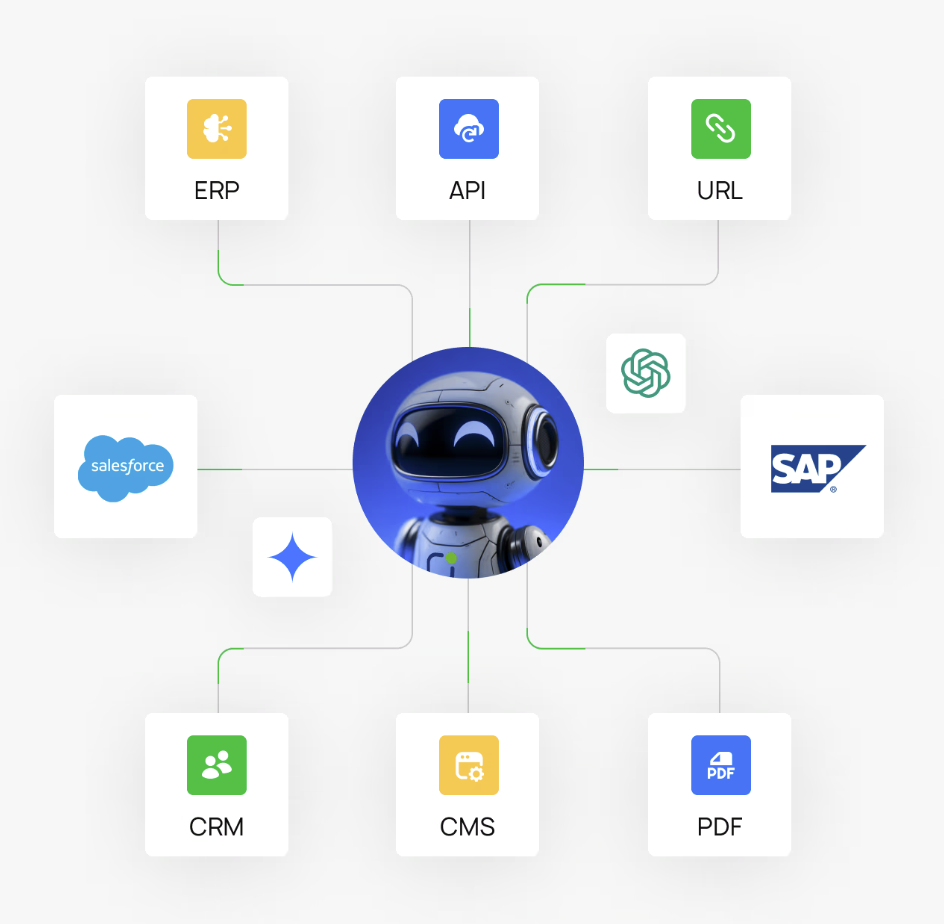
A seamless, omnichannel experience—where a user can browse on the web, get an alert in their app, and complete a query on WhatsApp without friction—creates a powerful lock-in effect. This sophisticated orchestration requires a unified platform, making it a high barrier for competitors to overcome.
Richer, More Actionable Customer Data
In an era of increasing data privacy regulations, the value of consensual, first-party data has skyrocketed. Every digital interaction is an opportunity to learn more about your customer, ethically and transparently.
A well-crafted engagement strategy allows you to collect not just first-party data (behavioral insights, like which pages they visit) but also invaluable zero-party data (information customers willingly share, like their preferences in a poll). This rich data is the fuel for hyper-personalization, creating a virtuous cycle where every interaction makes the next one smarter and more effective.
The 3 Pillars of a Winning Digital Engagement Strategy
To build an engagement framework that delivers measurable results in 2026, you need to move beyond sporadic campaigns and adopt a structured, holistic approach. True digital transformation in customer communication isn’t about using more channels; it’s about using them more intelligently. This is where a strategic foundation becomes critical.
At indigitall, we’ve identified three interconnected pillars that form the bedrock of every successful digital engagement strategy. Mastering these will empower you to create meaningful, valuable, and consistent experiences that drive loyalty and maximize customer lifetime value (LTV).
1. Omnichannel Orchestration
Your customers don’t see channels; they see a single brand. A winning strategy ensures their experience is seamless and consistent, whether they’re on your app, your website, or messaging you on WhatsApp. Omnichannel Orchestration is the art of unifying these touchpoints into one cohesive Customer Journey.
- A Single Customer View: True orchestration requires a central hub where data from every channel converges. This eliminates silos and provides a complete picture of user behavior, enabling smarter, more relevant communication.
- Seamless Channel Transitions: A user might see a product on a Web Push Notification, add it to their cart, and later receive an abandoned cart reminder via App Push or WhatsApp. The goal is to make this flow feel natural and helpful, not disjointed.
- Consistent Brand Voice: From a formal banking alert to a promotional retail message, your brand’s tone must be consistent across the entire ecosystem, building trust and recognition at every step.
2. Hyper-Personalization at Scale
Generic, one-size-fits-all messages no longer cut it. Hyper-personalization is about using deep customer insights to deliver messages that are not just customized, but truly contextual and relevant to each individual. It’s the difference between speaking at your audience and having a conversation with each customer.
- Behavior-Driven Segmentation: Go beyond simple demographics. Group users based on real-time actions like purchase history, app usage, content viewed, or location to ensure every message resonates with their current needs and interests.
- Dynamic Content: Power your communications with content that adapts to the user. An airline, for example, can send a single flight reminder template that dynamically populates the correct gate number, flight time, and destination for thousands of individual travelers.
- Trigger-Based Messaging: Automate communications based on specific user actions. Whether it’s a welcome message after a first app open or a special offer triggered by browsing a specific product category, these timely interactions drive massive engagement.
3. Intelligent Automation & AI
The final pillar is about leveraging technology to deliver these personalized, omnichannel experiences efficiently and proactively. Intelligent automation, powered by AI, allows you to scale your strategy, respond in real-time, and anticipate customer needs before they even arise.
- Automated Customer Journeys: Using a visual workflow builder, like the one found in the indigitall console, allows you to design and deploy complex, multi-step Customer Journeys. These flows can nurture leads, onboard new users, and re-engage dormant customers automatically.
- Generative AI Agents: Deploy intelligent AI agents on channels like WhatsApp to provide instant 24/7 support, answer common questions, and even guide users through transactions. This frees up human agents to focus on high-value, complex interactions.
- Predictive Analytics: Use machine learning models to predict future behavior. Identify customers at risk of churn and proactively send a retention offer, or pinpoint users most likely to convert and target them with a personalized promotion.
These three pillars do not operate in isolation. They form a powerful, integrated ecosystem where a unified platform is key. By orchestrating channels, personalizing content, and automating delivery, you create a self-reinforcing cycle of positive engagement that drives sustainable business growth.
Pillar 1: Unified Inbound & Outbound Communication
For too long, digital engagement has been a tale of two separate functions: proactive marketing (outbound) and reactive support (inbound). This traditional separation creates a disjointed and often frustrating experience for customers who see your brand as a single entity, not a collection of siloed departments.
To succeed in 2026, brands must tear down this wall. A truly effective digital strategy hinges on unifying these two communication streams into a single, continuous conversation.
Outbound Engagement: The Proactive Push
Outbound engagement includes all the messages your brand proactively sends to your audience. This is your chance to drive action, share value, and stay top-of-mind. Think of it as starting the conversation.
- Promotional Campaigns: Sending a push notification about a flash sale.
- Lifecycle Messaging: Triggering a WhatsApp message to re-engage a dormant user.
- Transactional Alerts: Notifying a customer via their mobile wallet that their order has shipped.
Inbound Engagement: The Reactive Response
Inbound engagement is initiated by the customer. It’s when they reach out to you with a question, a problem, or feedback. How efficiently and contextually you handle these interactions defines their perception of your brand.
- Customer Support: A user replying to a marketing email with a product question.
- Direct Inquiries: A customer starting a live chat on your website to ask about return policies.
- AI Agent Conversations: Interacting with a bot on WhatsApp to check an account balance.
The indigitall Advantage: A Single, Seamless Thread
Herein lies a crucial differentiator. Most platforms manage outbound and inbound in separate systems. The indigitall platform is engineered to unify them. This creates a powerful, context-aware ecosystem where every interaction builds upon the last, forming a true Global Omnichannel Strategy.
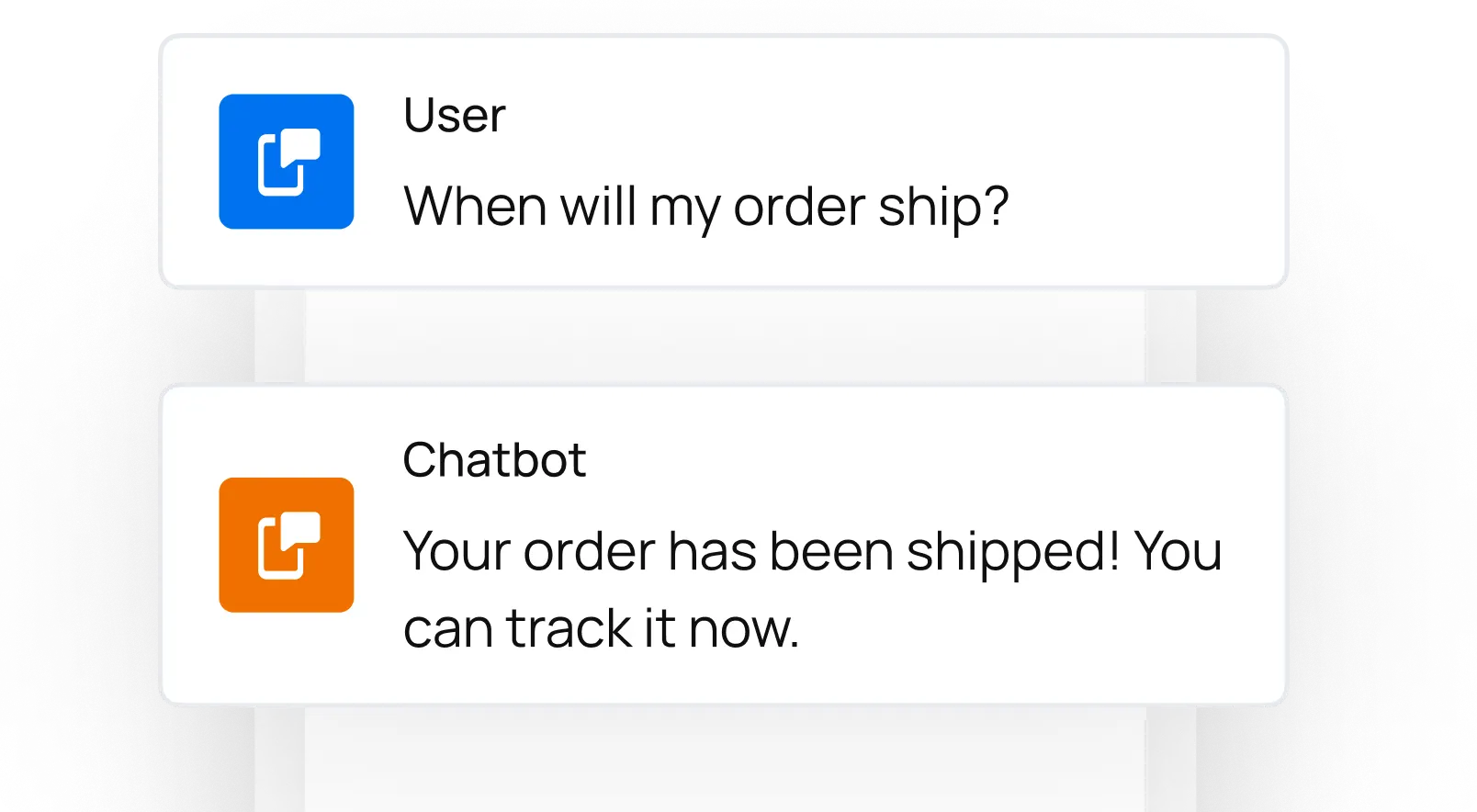
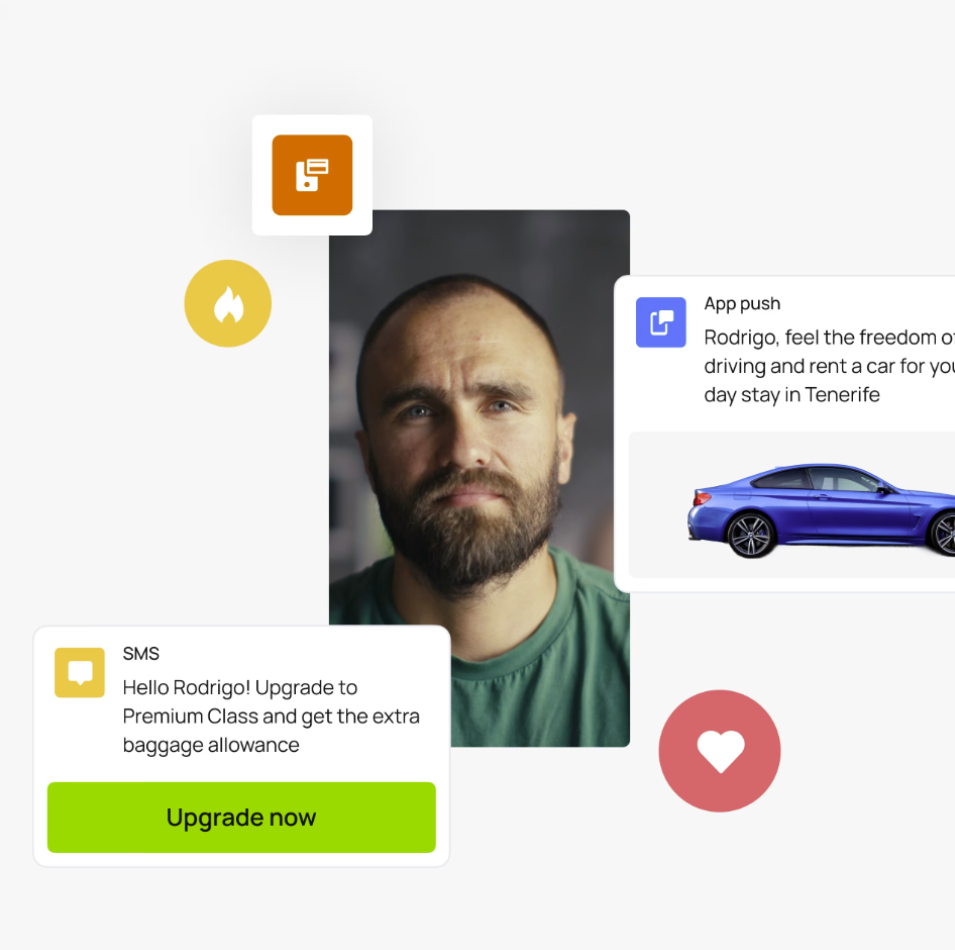
Imagine this Customer Journey: A user receives a push notification about a new subscription plan (outbound). They tap it, but have a question, so they reply directly via the integrated WhatsApp channel. This reply instantly initiates a conversation with an AI Agent or a human support agent (inbound), all within the same conversational thread. The agent in the indigitall console sees the full history—the exact promotion they received and their subsequent query—allowing for a fast, personalized, and frictionless resolution.
Pillar 2: True Omnichannel Presence
In the digital landscape of 2026, the terms “multichannel” and “omnichannel” are often used interchangeably, but they represent fundamentally different strategies. Simply being present on multiple channels is no longer enough; the real power lies in orchestrating them into a single, unified experience.
Multichannel marketing means you communicate with customers across various platforms—an app, a website, email—but these channels operate in silos. An omnichannel strategy, by contrast, integrates these touchpoints, allowing the customer to move seamlessly between them as part of one continuous conversation.
Consider this powerful Customer Journey: A user browses a pair of running shoes on your website but doesn’t buy. An hour later, they receive a rich push notification on their phone with an image of the shoes. They tap it, but get distracted. The next day, a message arrives via WhatsApp: “Still thinking about those shoes? Complete your purchase now for 10% off.” This cohesive, intelligent flow is the essence of omnichannel engagement.
To build a truly global omnichannel strategy, you need to integrate the key channels where your customers are most active. This digital ecosystem includes:
- Web and App Push Notifications: For timely, high-visibility alerts that drive immediate action.
- In-App Messages: To engage users with contextual content while they are actively using your application.
- WhatsApp Business: For conversational, high-trust interactions, from support to transactional updates.
- SMS & Email: The foundational channels for reaching the widest possible audience with critical information and promotions.
Orchestrating these journeys manually across different platforms is inefficient and prone to error. A unified customer engagement platform like indigitall acts as the central hub, allowing you to design, automate, and analyze these complex Customer Journeys from a single console, ensuring a consistent and personalized experience at every step.
Pillar 3: Accessible, AI-Powered Personalization
For years, personalization in digital marketing meant little more than inserting a [first_name] tag into an email blast. By 2026, that standard is completely obsolete. Today’s customers expect brands to understand their individual needs, anticipate their next move, and communicate with them on a true 1:1 basis.
The engine driving this new reality is Artificial Intelligence. However, traditional AI and machine learning models have been notoriously complex and resource-intensive, requiring dedicated teams of data scientists and engineers to build and maintain. This created a significant barrier, leaving powerful predictive capabilities out of reach for most marketing teams.
This is precisely the gap indigitall’s platform is designed to close. We believe in Accessible AI—integrating sophisticated predictive and generative capabilities directly into the indigitall console. This empowers marketing, CRM, and support teams to leverage advanced AI without writing a single line of code or requiring a PhD in data science.
Instead of being a complex, separate tool, our AI works seamlessly within your campaign creation and Customer Journey orchestration. Here’s how it transforms your engagement strategy:
- Predictive Sending: Our AI analyzes individual user behavior patterns to determine the exact moment each person is most likely to open a push notification, email, or WhatsApp message. This moves beyond simple time-zone scheduling to deliver communications for maximum impact, boosting open rates and conversions.
- AI-Powered Content Generation: Overcome creative blocks and accelerate campaign development. The indigitall platform uses generative AI to help you draft compelling headlines, body copy, and calls-to-action tailored to different segments and channels, enabling rapid A/B testing and optimization.
By embedding AI directly into an All-in-One platform, these personalized triggers become a natural part of your Global Omnichannel Strategy. An AI-optimized push notification is not an isolated event; it’s a perfectly timed touchpoint in a larger, cohesive Customer Journey that spans across your app, website, and other digital channels.
Choosing Your Technology: The Unified Platform Advantage
Once your digital engagement strategy is defined, you face the most critical implementation decision: choosing the technology that will bring it to life. The tools you select will either become a powerful engine for growth or a complex bottleneck that hinders your team’s agility. For brands serious about success in 2026, this choice is foundational.
Historically, companies followed a ‘point solution’ approach, stitching together separate tools for each channel. One provider for email, another for app push notifications, and yet another for web messaging or chat. This fragmented ecosystem creates significant challenges:
- Data Silos: Customer data is scattered across platforms, making a single, coherent view of the user impossible.
- Inconsistent Experiences: Orchestrating a seamless, omnichannel Customer Journey is a manual, error-prone nightmare when systems don’t talk to each other.
- High Technical Overhead: Managing multiple vendors, APIs, and data integrations consumes valuable developer resources that could be spent on innovation.
The modern, superior alternative is the unified platform. This approach consolidates all your engagement channels, data, and automation into a single, cohesive command center—the indigitall console. It’s the only way to deliver the truly connected experiences that customers now expect.
Of course, the market has enterprise-heavy solutions like Braze, Insider, and Salesforce Marketing Cloud. While powerful, they are often characterized by notoriously long implementation cycles, steep learning curves requiring specialized teams, and premium pricing models that can strain marketing budgets.
This is where indigitall provides a distinct advantage. Our platform was engineered to deliver enterprise-grade capabilities without the enterprise-grade complexity. We focus on three core pillars that set our partners up for immediate success: superior Time-to-Value, empowering you to go live and see ROI in weeks, not quarters; unmatched Ease of Use that allows marketing teams to build and deploy sophisticated campaigns without developer dependency; and smarter Cost-Effectiveness that delivers a powerful, scalable solution.
Nowhere is this advantage clearer than with today’s most critical channel: WhatsApp. Many platforms claim to offer WhatsApp integration, but they often rely on third-party wrappers or connectors. This adds a fragile layer between you and the customer, leading to instability, delays in accessing new features, and suboptimal performance.
indigitall is different. We have a deep, native integration directly with the WhatsApp Business API. This means our partners benefit from unmatched stability, first-to-market access to new WhatsApp features, and the highest possible delivery and performance standards. When building a Global Omnichannel Strategy, you need core channels like WhatsApp to be a rock-solid, native part of your tech stack, not a bolt-on afterthought.
How to Build Your Digital Customer Engagement Strategy: A 4-Step Plan
Transforming your customer engagement from a series of disconnected touchpoints into a cohesive, revenue-driving engine requires a clear plan. A powerful strategy isn’t about simply adopting new channels; it’s about orchestrating them to create seamless experiences. For 2026, a successful strategy is built on data, empathy, and intelligent automation.
Here is a proven, four-step framework to build a digital customer engagement strategy that delivers measurable results and maximizes customer lifetime value (LTV).
Step 1: Define Your Audience and Key Segments
The foundation of any effective engagement strategy is a deep, data-driven understanding of your customers. Move beyond basic demographics and dive into behavioral data: what pages do they visit, what products do they browse, how often do they use your app, and what have they purchased in the past?
By consolidating this data, you can create dynamic user segments. An integrated platform like indigitall simplifies this by unifying data points from your app, website, and CRM into a single customer view, allowing you to segment users based on their real-time actions and value.
Step 2: Map the Ideal Omnichannel Customer Journey
With your segments defined, the next step is to map the ideal Customer Journey for each one. This isn’t about thinking in channel-specific silos; it’s about designing a fluid, cross-channel narrative. What is the optimal sequence of interactions to guide a user from discovery to conversion and, ultimately, to loyal advocacy?
For example, a new user might first interact with a web push notification, then receive a welcome email, and later get a special offer via a rich push notification on your app. The goal is to make every transition feel natural and helpful, creating a truly Omnichannel experience that strengthens the customer relationship at every stage.
Step 3: Orchestrate Channels and Personalize Content at Scale
This is where your strategy comes to life. Based on your Customer Journey maps, you can orchestrate communications across the most effective channels. Use App Push for timely, high-impact promotions, WhatsApp Business for transactional updates and conversational support, and Mobile Wallet for loyalty cards and event tickets.
True orchestration goes beyond just sending messages. It involves leveraging technology to personalize content at scale. Using AI-powered tools, you can dynamically tailor message content, timing, and channel selection for each individual user, ensuring maximum relevance and impact. This elevates communication from a generic blast to a meaningful one-to-one conversation.
Step 4: Measure Performance and Optimize Continuously
A digital engagement strategy is a living initiative, not a static document. Continuous optimization is critical for long-term success. You must track key performance indicators (KPIs) across all your channels: open rates, click-through rates (CTR), conversion events, and churn reduction.
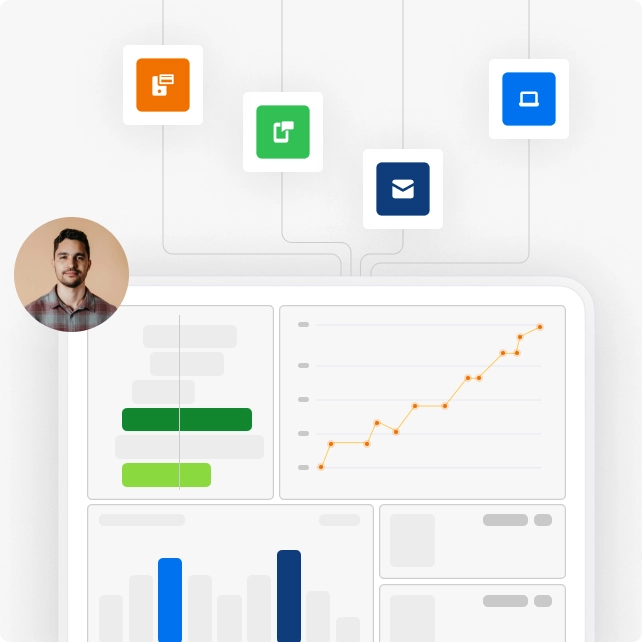
Using a centralized analytics dashboard, like the one within the indigitall console, provides a holistic view of your entire strategy’s performance. It allows you to A/B test messages, analyze journey drop-off points, and iterate quickly. This data-backed feedback loop is what turns a good strategy into a great one, empowering you to refine your approach and consistently drive better business outcomes.
Step 1: Map Your Customer Journey
Before you can craft a single message, you must understand the path your customers take. A Customer Journey map is the strategic blueprint for your entire engagement strategy in 2026. It’s a visual representation of every interaction a customer has with your brand, from the first spark of awareness to becoming a loyal advocate.
Mapping this journey allows you to identify critical touchpoints, anticipate customer needs, and proactively deliver the right message on the right channel at the perfect moment. This isn’t a linear path; it’s a dynamic, multi-channel experience that requires precise orchestration.
A typical Customer Journey is broken down into five key stages, each presenting unique opportunities for engagement:
- Awareness: This is your brand’s first impression. The customer has a need and discovers you as a potential solution. Touchpoints include organic search, social media, or digital ads. Your goal is to capture their interest with a compelling value proposition, perhaps inviting them to opt-in for web push notifications for future updates.
- Consideration: The customer is now actively evaluating your products or services against competitors. They are browsing specific pages, reading reviews, and comparing features. This is a critical stage to deploy automated triggers, like an abandoned cart push notification to recover potential lost sales or a rich push with a product video to showcase value.
- Conversion: This is the moment of action—the purchase, the sign-up, the download. Your focus must be on creating a frictionless experience. A well-orchestrated Global Omnichannel Strategy can use transactional push notifications for order confirmations and send digital receipts or boarding passes directly via WhatsApp Business for ultimate convenience.
- Retention: The journey doesn’t end at the sale. This stage is about nurturing the relationship to maximize customer lifetime value (LTV). Engage customers with personalized offers on WhatsApp, send loyalty point updates to their Mobile Wallet, or share relevant content based on their purchase history to encourage repeat business.
- Advocacy: The ultimate goal is to turn satisfied customers into vocal brand advocates. After a positive experience, you can automate a message asking for a product review or send a personalized referral code they can share with friends. This transforms your customer base into a powerful engine for growth.
Understanding these stages reveals the complexity of modern customer interactions. Managing these diverse touchpoints across App, Web, SMS, and WhatsApp demands a unified platform. An all-in-one solution like indigitall provides the tools to map, build, and automate these complete Customer Journeys from a single console, ensuring a seamless and consistent brand experience at every step.
Step 2: Segment Your Audience
The era of “batch and blast” messaging is over. In the hyper-competitive landscape of 2026, relevance is the currency of engagement. Sending the same generic message to your entire user base is the fastest way to trigger uninstalls and unsubscribes. The foundation of a successful engagement strategy is intelligent audience segmentation.
Segmentation is the practice of dividing your broad audience into smaller, distinct groups based on shared characteristics. This allows you to tailor your messaging, offers, and content to resonate deeply with each group’s specific needs and behaviors, dramatically increasing conversion rates and customer loyalty.
Effective segmentation goes far beyond simple demographics. A powerful strategy integrates multiple data points to create a rich, multi-dimensional view of the customer. Key segmentation criteria include:
- Demographic: The basics, such as age, gender, and language. This helps ensure your content’s tone and language are appropriate.
- Geographic: Country, region, or city. This is crucial for location-based offers, event notifications, or region-specific compliance messaging.
- Behavioral: This is where the magic happens. Segment users based on their actions (or inaction) within your digital ecosystem: last app open, features used, pages visited, or time since last session.
- Transactional: Group users by their purchasing habits, such as last purchase date, average order value (AOV), lifetime value (LTV), or specific product categories they have purchased from.
A modern platform like indigitall automates this entire process. Within the indigitall console, you can create dynamic segments that update in real-time. A user who abandons a cart can be automatically added to a “cart abandoner” segment, and once they complete the purchase, they are instantly moved to a “recent purchaser” segment without any manual effort.
This real-time segmentation is the engine for a true Global Omnichannel Strategy. A single, well-defined segment—for example, “high-value customers who haven’t purchased in 90 days”—can be targeted with a coordinated Customer Journey across App Push, WhatsApp Business, and Email, ensuring a consistent and powerful message that drives action, all orchestrated from one central platform.
Step 3: Orchestrate & Automate Journeys
Once you have a rich, unified customer profile and have defined your segments, you can move beyond one-off campaigns. The next evolutionary step in digital engagement for 2026 is automating and orchestrating personalized Customer Journeys across your entire digital ecosystem.
This means creating automated communication flows that are triggered by specific user actions or attributes. Instead of manually sending a message, you design a sequence that runs 24/7, guiding users toward a specific goal, such as making a first purchase, completing their profile, or re-engaging with your app.
A powerful Global Omnichannel Strategy combines channels to create a seamless conversation. Consider this classic welcome journey for a new retail app user:
- Trigger: User Creates an Account. The moment a new user signs up, the journey begins. They immediately receive a rich In-App Message welcoming them and highlighting key features to get started.
- Wait & Nurture. The system waits for three days. If the user hasn’t made a purchase, it automatically sends a compelling Push Notification with a special “15% off your first order” incentive to drive that initial conversion.
- Intelligent Follow-Up. If the push notification is ignored and no purchase is made after 24 hours, the journey initiates a final, high-impact touchpoint. A message is sent via WhatsApp Business, reminding them of the expiring offer and offering assistance.
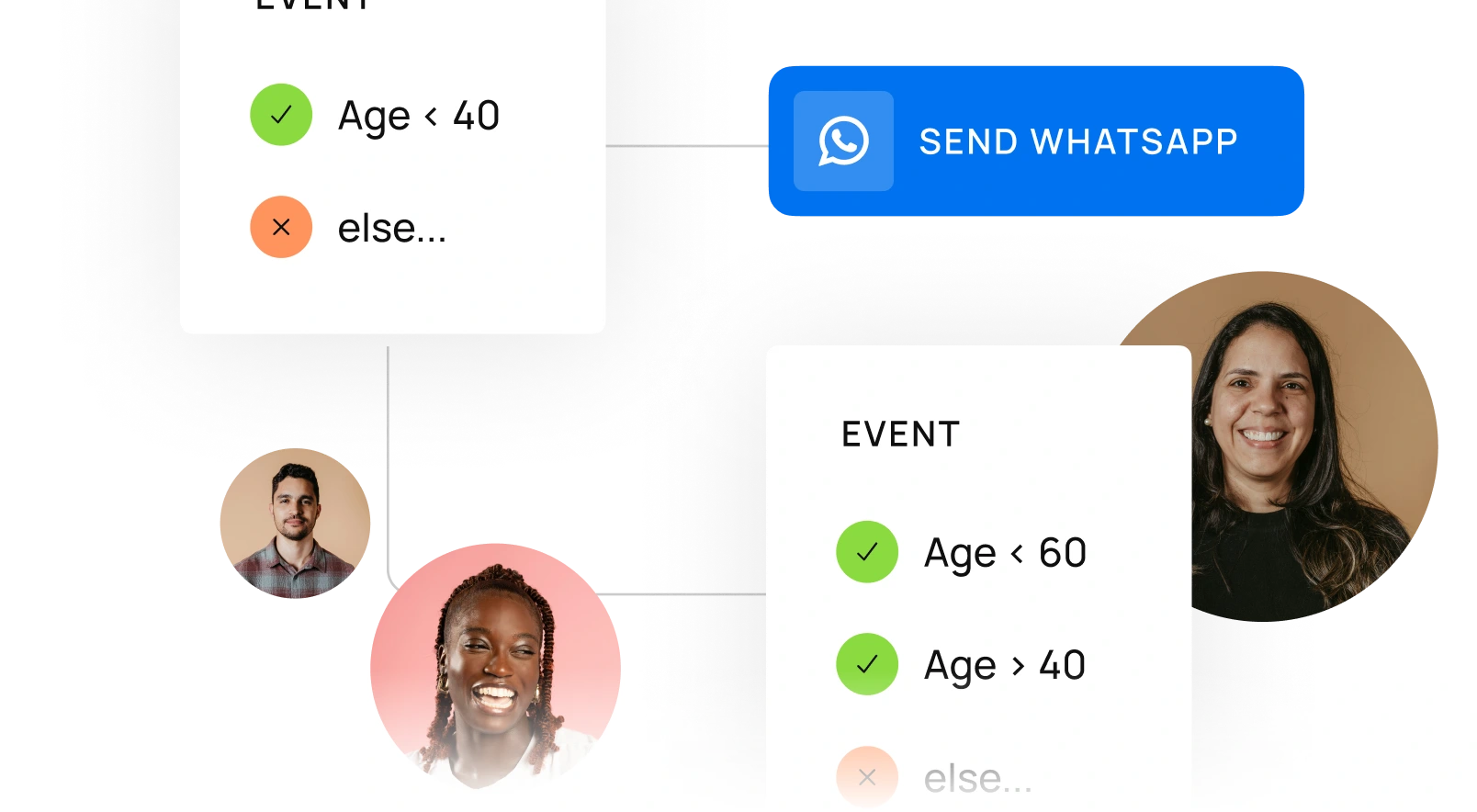
Building such a sophisticated, multi-step flow used to require significant developer resources. Today, platforms like indigitall empower marketers to do this independently. Using a visual, drag-and-drop builder within the indigitall console, you can map out every step, set time delays, and define conditional logic without writing a single line of code.
The ability to orchestrate these touchpoints from a single platform is a game-changer. It ensures a consistent brand voice and prevents channel-specific data silos, creating a truly unified and intelligent customer experience that maximizes engagement and lifetime value.
Step 4: Measure What Matters & Optimize
Launching your digital customer engagement strategy is just the beginning. The true drivers of growth in 2026 are found in data-driven iteration. To achieve this, you must move beyond vanity metrics and focus on the key performance indicators (KPIs) that directly correlate with business success.
Vanity metrics, like the total number of push notifications sent, might look impressive on a report but offer little insight into actual performance. Actionable metrics, however, tell you precisely how your strategy is impacting the bottom line.
Focus your measurement efforts on these core areas:
- Engagement Rate: This goes beyond simple open rates. Track click-through rates (CTR) on your web and app pushes, reply rates on WhatsApp conversations, and interaction rates with rich media. High engagement signals that your content is resonant and valuable.
- Conversion Rate: This is the ultimate measure of success for most campaigns. Whether it’s completing a purchase, filling out a form, or using a new feature, the conversion rate tells you if your Customer Journey is successfully guiding users to the desired outcome.
- Customer Churn Rate: A critical indicator of customer satisfaction and loyalty. Effective, personalized engagement should reduce the number of customers who abandon your service. A decreasing churn rate is a powerful sign that your strategy is building stronger relationships.
- Customer Lifetime Value (CLV): The North Star of customer-centric businesses. By increasing engagement and loyalty, you directly boost the total revenue a customer generates over their entire relationship with your brand. This metric proves the long-term ROI of your efforts.
To continuously improve these metrics, you must embrace a culture of testing and optimization. A/B testing is not just a tactic; it’s a fundamental process for discovering what truly works for your audience. Test different message copy, send times, and even the channels themselves.
For example, you might discover that a cart abandonment reminder is more effective via a WhatsApp message than an App Push for a specific segment. A unified platform, like the indigitall console, makes it seamless to orchestrate and analyze these tests across your Global Omnichannel Strategy, providing a clear view of which touchpoints are driving the most value.
Conclusion: Start Building Real Customer Relationships Today
The landscape of digital customer engagement has fundamentally shifted. As we’ve explored, success in 2026 is no longer defined by siloed marketing blasts but by creating unified, responsive, and continuous two-way conversations. Your customers expect a seamless dialogue, not a series of disconnected messages.
Orchestrating this level of personalization across a growing number of digital touchpoints is the primary challenge for modern brands. The solution isn’t more tools; it’s a smarter, more integrated ecosystem. It requires a platform designed from the ground up to bridge the gap between how you talk to your customers and how they talk back to you.
This is where indigitall provides a unique advantage. Our platform is the first to truly unify Inbound and Outbound communication, allowing you to manage proactive marketing campaigns and reactive customer service conversations within a single, cohesive Customer Journey. We empower you to listen and respond with the same precision that you use to send and analyze.
With indigitall, you can build a Global Omnichannel Strategy that delivers tangible results:
- Master Conversational Commerce: Leverage our native, industry-leading integration with WhatsApp Business to drive sales and support directly within the world’s most popular messaging app.
- Unify Every Channel: Seamlessly connect App Push, Web Push, SMS, Email, and Mobile Wallet into intelligent, automated workflows managed from the central indigitall console.
- Democratize AI: Utilize accessible generative AI and AI Agents to craft hyper-personalized messages at scale, automate responses, and understand customer intent like never before.
Moving beyond outdated engagement models isn’t just an option—it’s essential for driving loyalty, maximizing customer lifetime value, and building a resilient brand. The time to architect the future of your customer relationships is now.
Ready to transform your digital customer engagement? Schedule a demo with an indigitall expert today.