indigitall Omni AI
 Start chat with AI agent
 Speak with AI voice agent
 Book a Demo

 Speak to an Expert
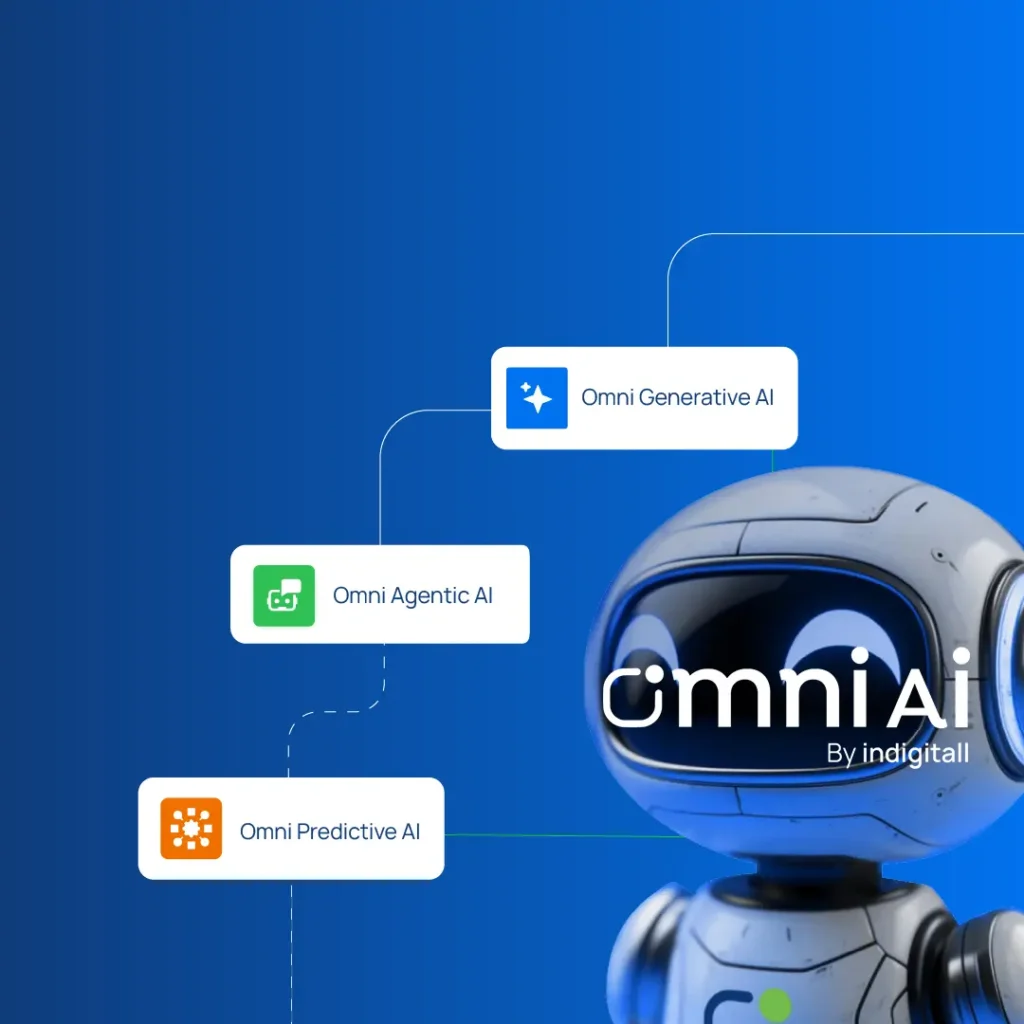












Beyond the Marketing Cloud: A Guide to Unified Enterprise Marketing Solutions



The Enterprise Marketing Challenge: More Tools, Less Connection
In 2026, the enterprise marketing landscape is more powerful and more fragmented than ever before. Marketers orchestrate a sprawling digital ecosystem, often referred to as a ‘Frankenstack’ a collection of dozens of specialized tools for analytics, CRM, advertising, content, and communication. Each tool is a best-in-class solution for its specific task, yet they rarely speak the same language.
Despite massive investments in sophisticated marketing clouds from giants like Salesforce, Adobe, and Oracle, a critical gap persists. The customer experience remains jarringly disconnected. A loyal customer might receive a promotional email for a product they just returned, or a prospect might be targeted with an acquisition ad moments after contacting support with a serious issue.
This dissonance stems from a fundamental flaw in the traditional tech stack: the deep-seated separation of marketing, sales, and service data. Outbound marketing campaigns are planned in one system while inbound support queries are handled in another. This creates information silos that prevent a truly 360-degree view of the customer, leading to missed opportunities and eroded brand trust.
The solution isn’t to add another powerful, yet isolated, tool to the stack. The forward-thinking approach for today’s enterprise is to deploy a unified engagement layer that sits across these existing systems. It’s a new paradigm focused on merging inbound, customer-initiated conversations with outbound, brand-driven marketing communications into a single, cohesive dialogue.
This strategy enables a Global Omnichannel Strategy where every touchpoint is part of the same continuous Customer Journey. Whether a customer interacts via a mobile App Push notification, a website prompt, a WhatsApp Business message, or an email, their context is preserved. True digital transformation is achieved not by owning the most tools, but by seamlessly orchestrating them to deliver one consistent, intelligent, and personalized brand experience.
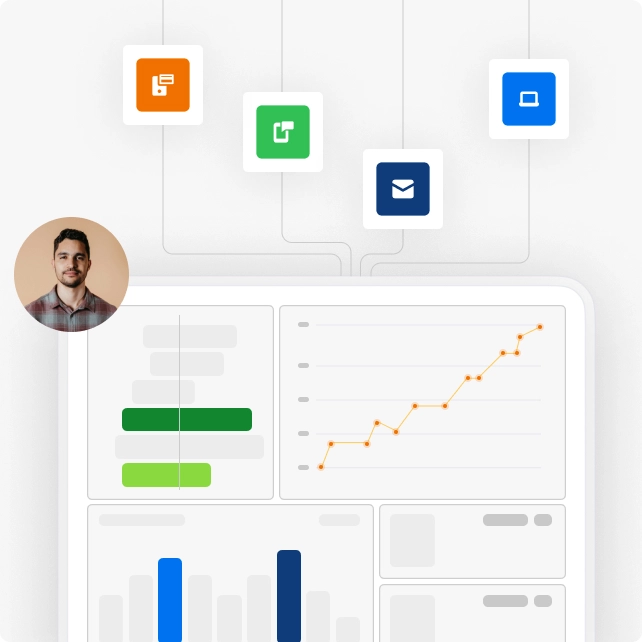
What Truly Defines an ‘Enterprise-Grade’ Marketing Solution?
As we navigate 2026, the term “enterprise-grade” has evolved far beyond its original meaning of simply handling large volumes. Today, it signifies a platform’s ability to serve as the central nervous system for all customer communication—a solution that is not just powerful, but also intelligent, secure, and seamlessly integrated into the fabric of the business.
For any platform to be a serious contender, it must be built upon four non-negotiable pillars. These are the foundational requirements that separate true enterprise solutions from disjointed marketing tools.
- Uncompromising Scalability and Performance. Enterprise scale isn’t about sending a million emails; it’s about orchestrating billions of real-time, personalized interactions across a global user base. A true enterprise solution must process immense data streams and trigger communications instantly, maintaining flawless performance during peak events like flash sales or critical service announcements without latency.
- Fortified Security and Global Compliance. In an era of sophisticated cyber threats and stringent data privacy laws like GDPR, security is the bedrock. This means end-to-end data encryption, secure APIs, customizable user permissions, and proactive compliance with a complex web of international regulations. For enterprise clients, a platform isn’t a partner unless it can be a fortress for their customer data.
- Deep, Actionable Analytics and AI-Driven Insights. Surface-level metrics are no longer sufficient. Enterprise-grade analytics provide a holistic view of customer behavior, tying every campaign and interaction directly to business KPIs like revenue attribution, churn reduction, and Customer Lifetime Value (LTV). In 2026, this requires a powerful AI layer to uncover predictive insights and recommend optimizations from massive datasets.
- True Omnichannel Orchestration. This is the most critical and often misunderstood pillar. It is not simply having capabilities across multiple channels like App Push, Web Push, and WhatsApp Business. It’s the ability to orchestrate a single, persistent Customer Journey that flows seamlessly between them, recognizing the user and their context at every touchpoint to deliver a unified brand experience.
Meeting these four criteria is the baseline. A platform that fails on any one of these pillars cannot effectively support the complex, high-stakes demands of a modern enterprise. The real differentiation, however, lies in how these capabilities are unified into a cohesive and intuitive ecosystem.
Scalability and Performance
In 2026, the concept of “big data” feels quaint. Enterprises now operate in an era of hyper-scale data, where real-time interaction is the baseline expectation for every customer. Your marketing infrastructure must do more than just store this data; it must activate it instantly across a global customer base.
The true test of any enterprise solution is its performance under extreme pressure. Consider the critical sales moments of the year: can your platform flawlessly send tens of millions of personalized Push Notifications and WhatsApp alerts for a Black Friday flash sale without a single second of delay? Latency is no longer an inconvenience; it’s a direct-to-revenue liability.
Legacy marketing clouds, often a patchwork of acquired technologies, frequently struggle with these peak loads. The bottlenecks created by syncing data between different systems can cause critical failures precisely when you need reliability the most. This is where the architectural design of a unified, all-in-one platform becomes a decisive advantage.
A modern, scalable solution must offer:
- Elastic Infrastructure: The ability to automatically scale resources to handle sudden spikes in traffic and message volume, ensuring consistent, high-speed delivery.
- High-Throughput Messaging: A proven capacity to process and dispatch millions of messages per minute across your entire Omnichannel mix—from App and Web to WhatsApp and Mobile Wallet.
- Real-Time Data Processing: The power to ingest and segment massive event streams on the fly, triggering complex Customer Journeys without the lag inherent in siloed systems.
Ultimately, true scalability isn’t just about handling volume. It’s about providing the confidence to execute ambitious, revenue-driving campaigns, knowing your technology will not only keep up but empower every single customer interaction, no matter the scale.
Advanced Segmentation and Personalization
In 2026, the standard for personalization has moved far beyond simple demographic buckets. Modern customers expect a level of understanding that anticipates their needs, and enterprise marketing solutions must deliver this with precision. Relying on static data like age or location is no longer enough to drive meaningful engagement or conversion.
The new benchmark is built on a foundation of real-time behavioral data. True enterprise platforms must capture and process user interactions as they happen, unifying data points from every channel into a single customer profile. This means an action on your website can instantly inform the next message sent via WhatsApp or App Push.
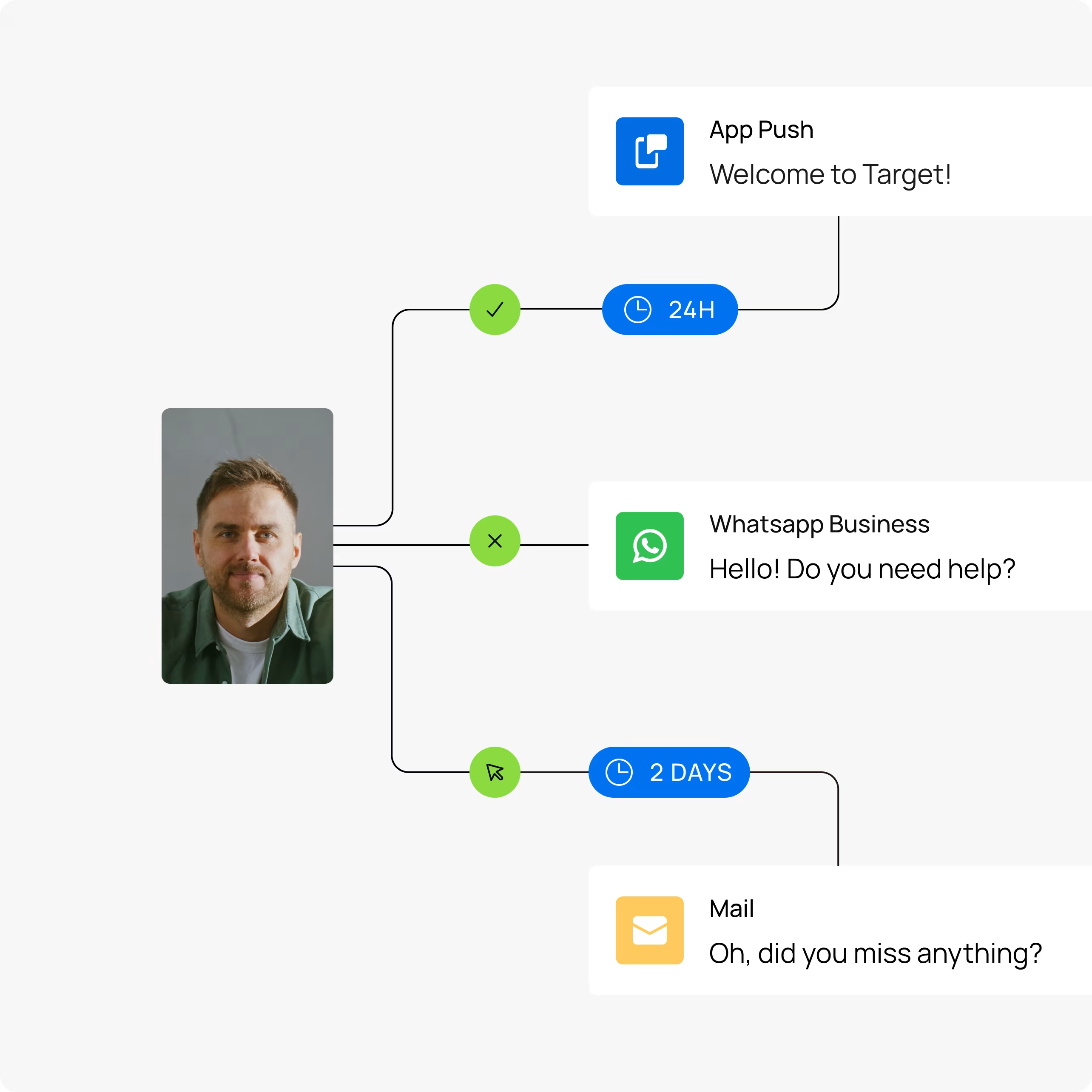
This dynamic data is the fuel for sophisticated, event-triggered campaigns. Instead of broad, scheduled blasts, leading brands orchestrate Customer Journeys that react instantly to user behavior. An all-in-one platform makes this seamless, allowing you to:
- Trigger a WhatsApp message with a recovery link the moment a user abandons their shopping cart.
- Send a rich push notification with related products after a user views a specific item three times in your app.
- Automatically enroll a user in a re-engagement flow if their app activity drops for a specific period.
However, the most significant leap forward is the integration of AI for predictive segmentation. The indigitall platform leverages machine learning models to analyze vast datasets, moving from reactive triggers to proactive engagement. Our AI can identify complex patterns to automatically create high-value audience segments.
Imagine effortlessly targeting users who are most likely to churn in the next 30 days, customers with the highest predicted Lifetime Value (LTV), or segments poised to make a purchase this week. This AI-driven insight, accessible directly within the indigitall console, allows you to focus your resources with surgical accuracy as part of a Global Omnichannel Strategy, ensuring your most valuable messages reach the right user on the right channel at the perfect moment.
Cross-Channel Orchestration
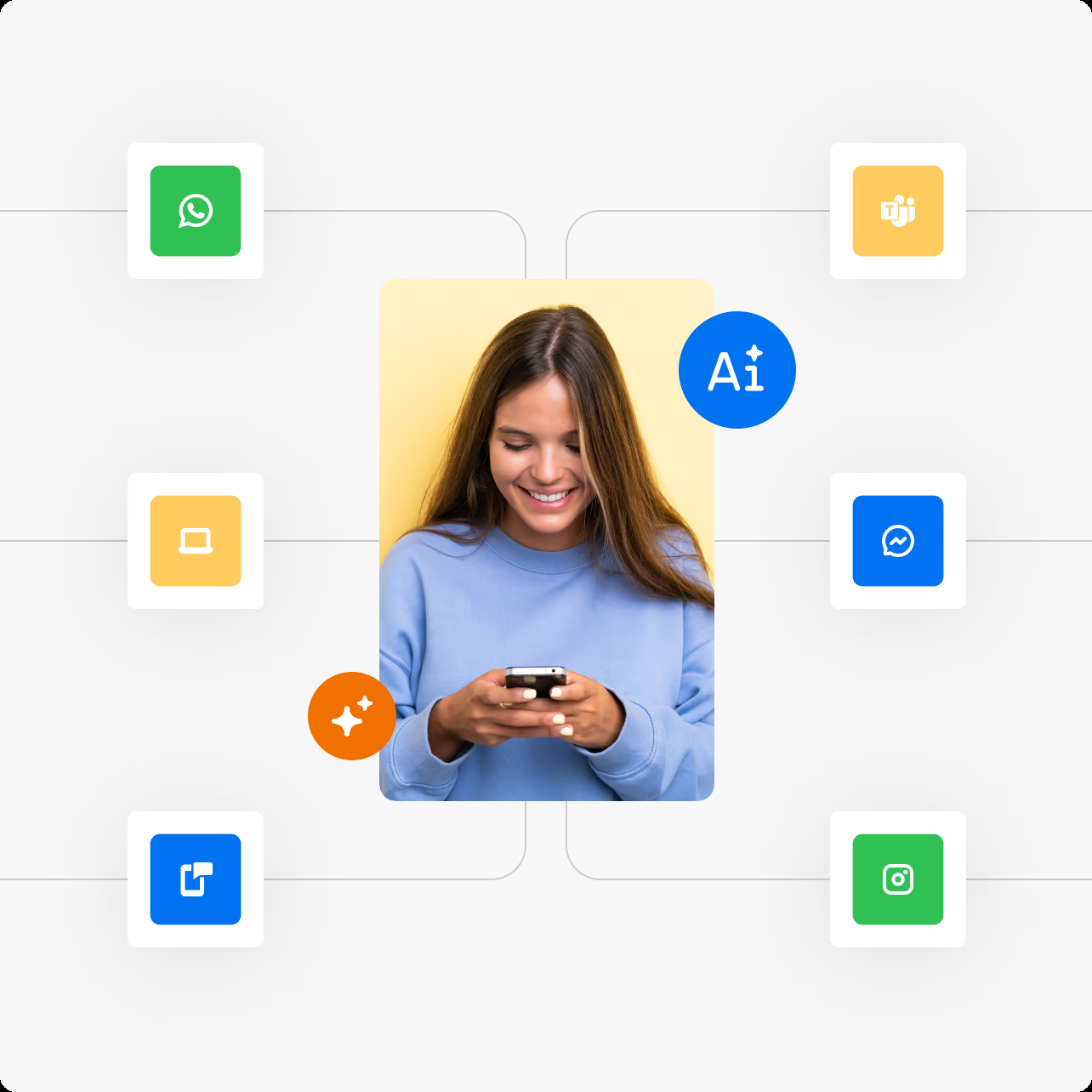
In 2026, cross-channel orchestration is no longer a forward-thinking concept; it’s the baseline for effective customer engagement. It’s the art and science of creating a single, seamless conversation with your user across every digital touchpoint—from App Push and Web Push to Email, SMS, and crucial conversational channels like WhatsApp.
True orchestration moves far beyond multichannel blasting. It demands that each channel is contextually aware of the others. For example, if a customer completes a purchase after clicking an email link, your system should automatically suppress the abandoned cart push notification scheduled to go out an hour later. This intelligent coordination prevents message fatigue and shows respect for the customer’s journey.
This level of sophistication is the cornerstone of a Global Omnichannel Strategy. Customers don’t think in terms of channels; they think in terms of your brand. A disjointed experience where they receive conflicting messages on different platforms can erode trust and damage brand perception. Orchestration ensures every interaction feels like a natural continuation of the last, building a cohesive and personalized Customer Journey.
Achieving this requires a unified technology stack where data from all touchpoints informs a single, dynamic customer profile. An all-in-one platform provides the central nervous system for your marketing, allowing you to design and automate intricate journeys from the indigitall console. This ensures that a user’s action on your website instantly informs the next message they receive on WhatsApp, driving conversion and maximizing lifetime value.
The Problem with Legacy Marketing Clouds
For years, monolithic marketing clouds were the undisputed titans of enterprise technology. They promised a single source of truth for customer data and, for a time, delivered powerful capabilities. However, in the hyper-connected landscape of 2026, the very architecture that made them powerful has become their greatest liability.
These platforms were often assembled through acquisitions, bolting together disparate “clouds” for sales, service, and marketing. This approach, instead of creating unity, has entrenched the very departmental silos they were meant to break down. The result is a fragmented view of the customer, where a support ticket doesn’t inform a marketing message, and a sales interaction is invisible to the campaign orchestrator.
The core issues with these legacy systems have become glaringly apparent and create significant friction for modern marketing teams:
- Data Fragmentation: Customer data is often trapped within separate clouds or requires complex, slow-syncing integrations. This makes it nearly impossible to trigger a real-time Customer Journey based on a customer’s latest action, whether in-app or with a service agent.
- Crippling Complexity & High TCO: Deploying a simple campaign can require a team of certified specialists and weeks of development. The total cost of ownership balloons with exorbitant licensing fees, mandatory consulting, and the high cost of integration for every new channel.
- The Omnichannel Illusion: While they claim to be omnichannel, these platforms were fundamentally built for an email-centric world. Adding modern, conversational channels like WhatsApp Business or rich push notifications often feels like a patch, not a native integration. Orchestrating a seamless Global Omnichannel Strategy becomes a constant technical battle.
Ultimately, these legacy systems struggle to deliver the speed, agility, and true personalization that customers now demand. They represent the old way of doing things—a top-down, rigid structure that conflicts with the need for a flexible, customer-first engagement ecosystem. This friction is what drives innovative brands to seek more agile, integrated, and channel-native solutions.
The Disconnected Customer Journey
In 2026, customers don’t just expect personalization; they demand contextual awareness. Yet, many enterprises still struggle with a fundamental disconnect that sabotages their best efforts: the siloed operation of their marketing, sales, and service clouds.
Consider a common, yet damaging, scenario. A loyal customer spends an hour on a support chat trying to resolve a frustrating bug with a recently purchased product. The interaction is logged in the Service Cloud, and the ticket remains open and unresolved. The customer is, needless to say, not happy.
Just a few hours later, their phone buzzes. It’s a vibrant push notification, sent from the Marketing Cloud, promoting an accessory for the very product they just reported as faulty. To the customer, this isn’t just bad timing—it’s a sign that the brand isn’t listening. It feels tone-deaf and completely uncoordinated.
This isn’t a failure of the marketing team; it’s a failure of the technology stack. The marketing automation platform, operating in its own data silo, has no real-time visibility into the customer’s recent service interaction. Its scheduled campaign runs as planned, completely ignorant of the negative context that should have immediately paused it.
This fragmentation undermines any Global Omnichannel Strategy. A negative experience on WhatsApp Business should instantly inform the next App Push. A product return logged in-store should halt retargeting ads for that item on the web. When each channel operates from a separate playbook, the result is a disjointed and often frustrating Customer Journey that erodes loyalty and lifetime value.
High Costs, Complexity, and Slow Time-to-Value
One of the most persistent challenges for enterprises evaluating marketing technology in 2026 is the staggering total cost of ownership (TCO) associated with legacy marketing clouds. The initial licensing fee is often just the tip of the iceberg, masking a deep-seated financial commitment.
These traditional platforms frequently lock businesses into expensive, multi-year contracts that include mandatory professional services and implementation fees. More critically, their architectural complexity necessitates a dedicated team of specialized developers just to manage, integrate, and customize the system. This creates a significant and ongoing operational expenditure that drains resources from innovation.
This inherent complexity directly translates into a painfully slow time-to-value. Marketing and CRM teams, who need to be agile and responsive, find themselves in a constant queue, waiting for technical resources to build segments, configure a Customer Journey, or launch a simple campaign. This dependency creates a bottleneck that stifles creativity and prevents the business from capitalizing on real-time market opportunities.
In today’s fast-paced digital ecosystem, this model is unsustainable. Modern marketing teams demand empowerment and speed. They require a unified platform where a CRM manager can independently design, orchestrate, and launch a sophisticated Global Omnichannel Strategy—connecting with users on WhatsApp, App Push, Web, and Mobile Wallet—all from a single, intuitive console.
The shift is toward solutions that prioritize ease of use and business user autonomy. By democratizing the tools for customer engagement, modern platforms dramatically reduce TCO, eliminate developer dependencies, and empower marketing teams to drive results from day one, not months or years down the line.
The Shift to Unified Engagement: The Future of Enterprise Marketing
The fragmented, multi-vendor approach to marketing technology is a relic of the past. By 2026, leading enterprises recognize that juggling disparate systems for email, push notifications, and messaging creates data silos and delivers disjointed customer experiences. This complexity not only drains resources but also actively damages customer relationships.
The definitive solution is the Unified Engagement Platform. This modern architecture consolidates every communication channel and data point into a single, cohesive ecosystem. It’s a fundamental shift from managing channels to orchestrating holistic, customer-centric conversations that drive real business outcomes.
At the heart of this model is a true 360-degree view of the customer. When data from your app, website, WhatsApp interactions, and physical store visits all flow into one platform, you unlock a profound understanding of user behavior. This unified profile is the bedrock of genuine personalization at scale.
This is where a Global Omnichannel Strategy comes to life. A unified platform empowers you to design a Customer Journey where a user can start an interaction on your website, receive a follow-up via an App Push Notification, and complete a transaction through WhatsApp Business. Each step is perfectly timed and contextually aware, creating a seamless and intelligent user experience.
The indigitall philosophy is built on this unified foundation. Our platform was engineered from the ground up to break down silos, not bolt on new ones. This integrated approach provides the agility to adapt quickly, the efficiency to maximize ROI, and the deep customer intelligence needed to build lasting loyalty and maximize lifetime value.
Ultimately, embracing a unified engagement strategy is more than a technological upgrade; it’s a commitment to placing the customer at the absolute center of your business. The future of enterprise marketing belongs to brands that can orchestrate these meaningful, consistent, and personalized interactions across every single touchpoint.
Bridging the Gap: Combining Inbound and Outbound
The traditional divide between marketing automation and customer service platforms has created a fractured customer experience for years. In 2026, leading enterprises recognize that a message sent to a customer (outbound) and a question received from them (inbound) are not separate events—they are two sides of the same continuous conversation.
A truly unified platform erases the line between these functions. This allows for the seamless orchestration of a complete Customer Journey where a marketing initiative can fluidly transition into a support interaction, and vice-versa, all within a single ecosystem. This isn’t just a convenience; it’s a strategic imperative for maximizing customer lifetime value.
Consider this powerful, everyday scenario managed entirely within the indigitall console:
- The Trigger (Outbound): A user browses your app and abandons a shopping cart. Your automated Customer Journey triggers a personalized push notification with rich media, reminding them of the items.
- The Bridge (User Action): The user receives the notification but has a last-minute question about delivery options. Instead of having to navigate back to your website and find a “Contact Us” page, they tap an interactive “Ask a Question” button directly within the notification.
- The Conversation (Inbound): This action seamlessly launches a WhatsApp chat. Crucially, the context of the user’s cart and the marketing campaign they came from is passed directly to the conversation, whether it’s handled by a live agent or one of our generative AI Agents.
This entire flow—from an outbound marketing prompt to an inbound support resolution—is tracked as a single, cohesive interaction. The agent has full visibility, the customer gets an instant, low-friction answer, and the path to conversion is cleared of obstacles. This is the essence of a modern Global Omnichannel Strategy.
By unifying outbound campaign tools with inbound conversational channels like WhatsApp Business, indigitall empowers brands to not just send messages, but to manage the entire dialogue lifecycle. This capability is a core differentiator, transforming fragmented touchpoints into a powerful, revenue-driving conversational engine.
Leading with Conversational Channels: The WhatsApp Advantage
By 2026, the debate is over: conversational channels are not just a part of the marketing mix, they are a primary driver of customer interaction and commerce. At the forefront of this shift is WhatsApp. It has evolved far beyond a simple messaging app into a ubiquitous platform where billions of users manage their daily lives, making it essential ground for any enterprise looking to build meaningful customer relationships.
However, simply being present on WhatsApp is no longer enough. The market is saturated with platforms that offer superficial “integrations,” which are often little more than fragile wrappers around the core API. This approach creates significant risks, leading to unreliable message delivery, security vulnerabilities, and a frustratingly limited feature set that fails to capture the channel’s true potential.
The strategic imperative for brands is to leverage a deep, native WhatsApp Business API integration. This is a foundational element of the indigitall platform. A native integration means we connect directly and securely to Meta’s infrastructure, providing a robust and scalable connection that you can trust for mission-critical communications.
This native approach unlocks three critical advantages:
- Superior Reliability & Security: For transactional alerts, appointment reminders, or two-factor authentication, delivery speed and security are paramount. Our native integration ensures your messages are handled with the highest priority and are protected by end-to-end encryption, meeting the stringent compliance demands of banking and telecommunications.
- Access to Advanced Features: Move beyond plain text. A native connection is your gateway to creating rich, interactive experiences with features like product carousels, quick-reply buttons, and rich media templates. This transforms a simple notification into a dynamic, engaging conversation that drives conversion directly within the chat interface.
- Seamless Omnichannel Orchestration: WhatsApp doesn’t operate in a vacuum. Within the indigitall console, it functions as a core component of a global Omnichannel strategy. You can seamlessly integrate WhatsApp conversations into a broader Customer Journey that includes App Push, Web Push, and AI Agents, ensuring a consistent and intelligent customer experience across all touchpoints.
Choosing a platform with a native WhatsApp integration is the difference between broadcasting messages and building genuine, revenue-generating relationships. It empowers you to meet your customers where they are most comfortable, with the sophisticated, secure, and reliable tools needed to lead in the era of conversational commerce.
Evaluating the Top Enterprise Marketing Solutions
As we navigate 2026, the marketing technology landscape is at a critical inflection point. The platforms that defined the last decade are now showing their age, struggling to keep pace with the demands for real-time personalization, generative AI integration, and truly seamless omnichannel orchestration. Choosing the right partner is no longer about adding features; it’s about adopting a fundamentally new architecture for customer engagement.
Let’s evaluate the primary categories of solutions enterprises encounter today and see how they stack up against the demands of the modern consumer.
The Legacy Marketing Clouds: Power Hampered by Complexity
Giants like Adobe and Salesforce have long dominated the enterprise space. They offer an extensive, and often overwhelming, suite of tools. Their power is undeniable, but it comes from a design philosophy of acquisition and consolidation, which creates inherent challenges in 2026.
These platforms often feel like a collection of separate products rather than a single, cohesive ecosystem. This results in data silos, clunky integrations between their own modules, and a steep learning curve. Orchestrating a simple Customer Journey across different channels can require navigating multiple interfaces and complex data syncing, undermining the very agility modern marketing teams need.
The Point Solution Patchwork: Agility Creates Fragmentation
On the other end of the spectrum are the agile, best-of-breed point solutions that specialize in a single area, such as mobile engagement or communication APIs. While excellent at their core function, relying on them forces enterprises to build a “Frankenstack”—stitching together a dozen different vendors to cover the full Customer Journey.
This approach introduces significant technical debt, creates multiple points of failure, and makes a unified customer profile nearly impossible to maintain. Your App Push provider has one set of data, your WhatsApp provider has another, and your AI agent operates on a third. This fragmentation is the enemy of a consistent Global Omnichannel Strategy.
The Unified Alternative: The indigitall Engagement Ecosystem
A new model has emerged as the clear winner for forward-thinking enterprises: the unified engagement platform. This is where indigitall was built to lead. Instead of acquiring and bolting on technology, our platform was designed from the ground up with a single, powerful vision.
The indigitall solution provides the breadth of a marketing cloud with the agility and focus of a point solution, all within one intuitive console. This architecture eliminates the core problems of both legacy models, empowering brands to deliver sophisticated, AI-driven experiences without the technical overhead.
- Truly Unified Architecture: One platform, one data model, one user interface. From the indigitall console, you can design, deploy, and analyze every Customer Journey across Web, App, WhatsApp, Mobile Wallet, and more, ensuring a single source of truth.
- AI-Native Orchestration: Our platform isn’t just “AI-enabled”; it’s built with AI at its core. Leverage generative AI to craft personalized messages and deploy intelligent AI Agents that seamlessly handle customer interactions within your automated journeys.
- Global Omnichannel Reach: We provide native, deep integrations for the channels that matter most today. This isn’t just about sending a message; it’s about orchestrating a persistent, two-way conversation that flows effortlessly between touchpoints.
- Accelerated Time-to-Value: By eliminating integration headaches and providing an intuitive workflow, indigitall allows your team to go from idea to execution in hours, not months. This frees up your developers and empowers your marketers to innovate at the speed of your customer.
Ultimately, the choice in 2026 isn’t just about features. It’s about choosing a partner with the architectural foresight to support your business’s growth, innovation, and customer-centric vision for the years to come.
The Legacy Giants (Adobe, Salesforce) and Mobile-First Competitors (Braze, Insider)
As we navigate the enterprise marketing landscape of 2026, the conversation has shifted from acquiring capabilities to unifying them. The market is largely defined by two distinct categories of providers: the sprawling legacy clouds and the focused mobile-first challengers.
Understanding their architectural differences is crucial for any brand aiming to build a truly seamless, efficient, and forward-looking customer engagement strategy.
The Established Marketing Clouds
Titans like Salesforce and Adobe have long dominated the enterprise space, offering an incredibly vast suite of tools. Their power is undeniable, providing deep functionality across analytics, advertising, content management, and CRM. For years, they represented the gold standard in digital marketing infrastructure.
However, their growth-by-acquisition model has, for many organizations, resulted in a collection of powerful but siloed “clouds.” The promise of a single customer view often gets lost in the complexity of integrating products like Marketing Cloud, Commerce Cloud, and Service Cloud. This can lead to disjointed Customer Journeys, high total cost of ownership due to extensive customization needs, and significant reliance on specialized implementation partners.
The Mobile-First Engagement Platforms
In response to the complexity of the legacy giants, a new breed of competitors like Braze and Insider emerged, excelling at mobile-centric, outbound communication. They have mastered the art of campaign orchestration across channels like App Push, In-App Messaging, and email, enabling marketers to execute sophisticated, trigger-based messaging at scale.
Their limitation, however, often lies in their campaign-centric worldview. The primary focus is on pushing messages out. This model can fall short in an era where customers expect two-way, conversational interactions. When a customer replies to a promotional WhatsApp message with a support query, the journey often breaks, requiring a handoff to a separate service platform and losing valuable context.
The Evolving Need: From Campaigns to Conversations
The core challenge for 2026 is unifying outbound marketing with inbound service and conversational AI. A true Global Omnichannel Strategy requires more than just sending messages; it requires managing a continuous dialogue on channels where customers are most active, like WhatsApp.
This is where the architectural choice becomes critical. The ideal solution isn’t just a collection of powerful tools, but a single, cohesive platform designed from the ground up to manage the entire Customer Journey—from initial engagement and conversion to automated, AI-driven support, all within a single conversational thread.
The Smart Alternative: The Indigitall Unified Engagement Platform
The challenges of fragmented data, siloed channels, and costly integrations inherent in legacy marketing clouds are no longer a necessary evil. In 2026, the market demands an agile, purpose-built solution. The indigitall platform was engineered from the ground up to address these pain points, providing a cohesive ecosystem for modern enterprise communication.
Our foundational advantage is the unification of inbound and outbound communication. While traditional platforms force you to manage marketing campaigns in one system and support conversations in another, indigitall brings them together. Imagine viewing a customer’s WhatsApp support ticket resolution right alongside their recent engagement with a push notification campaign—all within a single, chronological timeline. This isn’t just a feature; it’s a strategic game-changer for understanding the complete Customer Journey.
This unified approach is powered by our leadership in native channel integrations, particularly with WhatsApp Business. We move far beyond simple marketing blasts, enabling true conversational commerce and support. With indigitall, WhatsApp becomes a powerful transactional channel for booking appointments, processing returns, and providing real-time order updates, seamlessly orchestrated with your App Push, Web Push, and Mobile Wallet campaigns as part of a Global Omnichannel Strategy.
Powering this entire ecosystem is indigitall AI, designed for accessibility and immediate impact. We believe generative AI should be a practical co-pilot for your marketing team, not a complex tool requiring data scientists. It empowers non-technical users in the indigitall console to:
- Accelerate Campaign Creation: Generate compelling, on-brand copy and creative variations for any channel in seconds, freeing your team to focus on high-level strategy.
- Optimize Send Times: Leverage predictive models to deliver every message at the precise moment each individual user is most likely to engage, dramatically boosting open and conversion rates.
- Automate Audience Segmentation: Receive intelligent suggestions for creating high-performing audience segments based on real-time behavioral data and predictive lifetime value.
Ultimately, this modern architecture delivers superior time-to-value. By eliminating the need to stitch together disparate systems and by empowering your team with intuitive AI tools, indigitall ensures faster implementation, quicker ROI, and a significantly lower total cost of ownership. You can launch sophisticated, data-driven Customer Journeys in weeks, not quarters, making it the truly smart alternative for enterprises ready to lead in the digital-first era.
Conclusion: Don’t Just Add a Tool, Unify Your Strategy
As we navigate the complexities of 2026, one truth has become undeniable: the era of the siloed marketing cloud is over. Enterprise success no longer hinges on acquiring the largest suite of disparate tools, but on orchestrating them into a single, intelligent, and responsive ecosystem. The ultimate goal is not just to communicate, but to create a truly seamless customer experience.
This means moving beyond fragmented campaigns and embracing a Global Omnichannel Strategy. It’s about ensuring the conversation that starts with a dynamic App Push notification can continue fluidly on your website, transition to a personalized interaction on WhatsApp Business, and conclude with a valuable offer in a Mobile Wallet pass. This level of orchestration is what separates market leaders from the competition.
The indigitall platform was architected from the ground up for this modern reality. We didn’t simply bolt-on new channels; we built a unified solution designed to power cohesive Customer Journeys. By integrating communication, marketing automation, and generative AI agents into one console, we empower you to eliminate data silos and deliver the connected experiences customers now demand.
Stop thinking about adding another tool to your stack. It’s time to unify your strategy, centralize your communication, and build relationships that drive real, measurable growth. The future of enterprise marketing is conversational, connected, and customer-first.
Ready to see what a truly unified enterprise solution looks like? Schedule your personalized demo of indigitall today.