indigitall Omni AI
 Start chat with AI agent
 Speak with AI voice agent
 Book a Demo

 Speak to an Expert
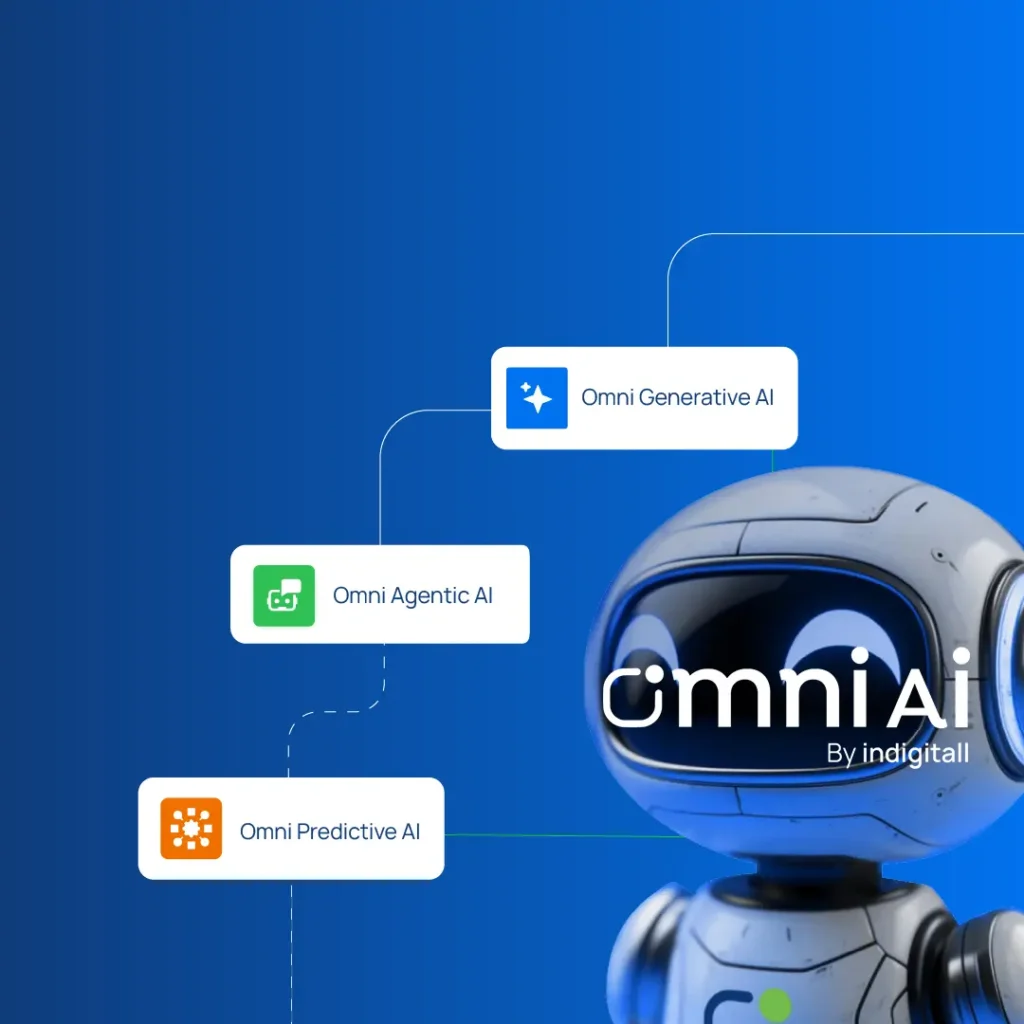












AI Agents Software: The Definitive Guide for 2025



AI Agents Software: The Definitive Guide for 2025
What is AI Agent Software? Beyond the Chatbot Hype
In the rapidly evolving landscape of artificial intelligence, the term ‘AI agent’ is quickly becoming a cornerstone of business strategy. But what exactly is AI agent software, and how does it differ from the chatbots we’ve become accustomed to? While a chatbot is designed to react to user queries within a conversational framework, an AI agent is a far more sophisticated entity. It is an autonomous program designed to perceive its digital environment, make independent decisions, and take proactive actions to achieve specific, pre-defined goals. Think of it as a digital employee, capable of not just conversing, but executing complex, multi-step tasks without direct human intervention.
The Core Components of an AI Agent
To truly grasp their power, it’s helpful to understand the fundamental building blocks of AI agents:
- Perception (Sensors): This is how the agent gathers information from its environment. This could involve reading emails, monitoring website activity, analyzing data from a CRM, or tracking inventory levels.
- Cognition (The Brain): This is the decision-making engine. Using algorithms, machine learning models, and a defined set of rules, the agent processes the information it perceives and determines the best course of action to achieve its objectives.
- Action (Actuators): Once a decision is made, the agent acts. This could mean sending a personalized follow-up email, updating a customer record, reordering stock, or dynamically adjusting a marketing campaign’s budget.
AI Agents vs. Chatbots: A Critical Distinction
Confusing AI agents with advanced chatbots is a common mistake. The key difference lies in autonomy and proactivity. A chatbot waits for a user to initiate a conversation and reacts based on its script. An AI agent, however, can initiate tasks on its own based on triggers and data analysis. For example, a chatbot can answer a question about an order’s status. An AI agent can monitor for potential shipping delays, proactively notify the customer before they even ask, and simultaneously offer a discount on their next purchase to maintain goodwill—all without human input.
The Transformative Business Benefits of AI Agents
Integrating AI agent software is not just an IT upgrade; it’s a fundamental shift in how a business operates. The benefits extend far beyond simple automation, creating a more intelligent, responsive, and efficient organization.
Unprecedented Automation and Efficiency
AI agents are the ultimate evolution of automation. They handle not just repetitive, rule-based tasks but also complex workflows that require decision-making. This includes lead qualification, data entry and analysis, report generation, and managing customer support tickets. By offloading these responsibilities, you free up your human team to focus on high-value strategic initiatives that require creativity, empathy, and complex problem-solving.
Hyper-Personalized Customer Experiences at Scale
Today’s customers expect personalization. AI agents make this possible on a massive scale. By analyzing customer data—browsing history, past purchases, support interactions—an agent can proactively offer tailored recommendations, personalized discounts, and relevant content. It can manage an entire customer journey, guiding a user from initial interest to post-purchase support with a level of one-to-one attention that would be impossible to achieve manually.
24/7 Proactive Customer Support
Move from a reactive to a proactive customer support model. AI agents can monitor user activity to identify potential issues before they escalate. For instance, an agent can detect if a user is struggling on a checkout page and proactively offer assistance or a guide. They operate around the clock, ensuring that customer needs are met instantly, day or night, dramatically improving satisfaction and loyalty.
Data-Driven Insights and Decision-Making
AI agents are powerful data-gathering and analysis tools. They can constantly monitor market trends, competitor activities, and internal performance metrics. By processing this vast amount of information, they can provide real-time insights, predict future outcomes, and even make automated adjustments to business strategies, such as optimizing pricing or reallocating ad spend for maximum ROI.
Real-World Applications: How Industries are Leveraging AI Agents in 2025
The theoretical benefits of AI agents become concrete when you examine their application across various sectors. Forward-thinking companies are already gaining a significant competitive advantage by deploying this technology.
E-commerce and Retail
In the competitive world of retail, AI agents are game-changers. They act as autonomous personal shoppers, manage inventory logistics, and optimize the supply chain. An agent can track a user’s abandoned cart, wait for an optimal time, and then send a personalized recovery email with a unique, limited-time offer. Simultaneously, another agent can monitor stock levels and automatically reorder popular products to prevent stockouts, directly impacting the bottom line.
Finance and Banking
The financial sector relies on security, accuracy, and efficiency—all areas where AI agents excel. They are used for real-time fraud detection, autonomously flagging and blocking suspicious transactions. They also automate the loan application process, process insurance claims, and act as personalized robo-advisors, offering investment advice based on a client’s risk profile and market data.
Healthcare
AI agents are streamlining healthcare administration and improving patient outcomes. They can manage complex appointment scheduling across multiple specialists, send automated reminders to patients, and handle prescription refill requests. In a more advanced capacity, they assist clinicians by analyzing patient data to identify potential health risks or suggest personalized treatment plans based on the latest medical research.
Marketing and Sales
Sales and marketing teams are using AI agents to supercharge their efforts. An agent can sift through thousands of leads, score them based on their likelihood to convert, and assign the highest-priority leads to human sales representatives. They can also manage complex, multi-channel marketing campaigns, automatically A/B testing email subject lines, adjusting ad bids, and nurturing leads through the sales funnel with personalized content.
Choosing the Right AI Agent Software: A Strategic Framework for 2025
Selecting an AI agent platform is a critical decision that will impact your business for years to come. It’s essential to look beyond flashy features and adopt a strategic approach focused on your unique needs.
Step 1: Clearly Define Your Goals and Use Cases
What specific problem are you trying to solve? Do you want to reduce customer service response times, increase lead conversion rates, or automate supply chain management? Start with a well-defined objective. A clear goal will guide your entire selection process and ensure you choose a solution that delivers measurable results.
Step 2: Evaluate Integration Capabilities
An AI agent is only as powerful as the data it can access. Your chosen software must seamlessly integrate with your existing technology stack, including your CRM (like Salesforce or HubSpot), ERP system, e-commerce platform, and customer support software. Deep integration allows the agent to have a holistic view of the business and execute tasks across different platforms.
Step 3: Assess Scalability and Performance
As your business grows, so will the demands on your AI agent. The platform you choose must be able to scale accordingly, handling an increasing volume of tasks and data without a drop in performance. Inquire about the architecture, processing power, and the provider’s ability to support your future growth.
Step 4: Prioritize Security and Compliance
AI agents will be handling sensitive company and customer data. Therefore, security is non-negotiable. Ensure the platform adheres to industry-standard security protocols and complies with data privacy regulations like GDPR and CCPA. Look for features like data encryption, access controls, and regular security audits.
The Future is Autonomous: Embrace the Agent-Driven Business
The shift towards AI agents is not a distant future trend; it is happening now. These autonomous systems are fundamentally reshaping the relationship between technology and business, moving from tools that require instruction to partners that take initiative. By automating complexity, delivering hyper-personalization, and unlocking powerful data insights, AI agent software offers a clear path to building a more intelligent, agile, and customer-centric organization.
The journey begins with understanding their potential and strategically identifying where they can deliver the most value for your business. By embracing this technology, you are not just optimizing processes; you are future-proofing your operations and setting the stage for sustained growth in 2025 and beyond. Are you ready to empower your business with true digital autonomy? The time to act is now.