indigitall Omni AI
 Start chat with AI agent
 Speak with AI voice agent
 Book a Demo

 Speak to an Expert
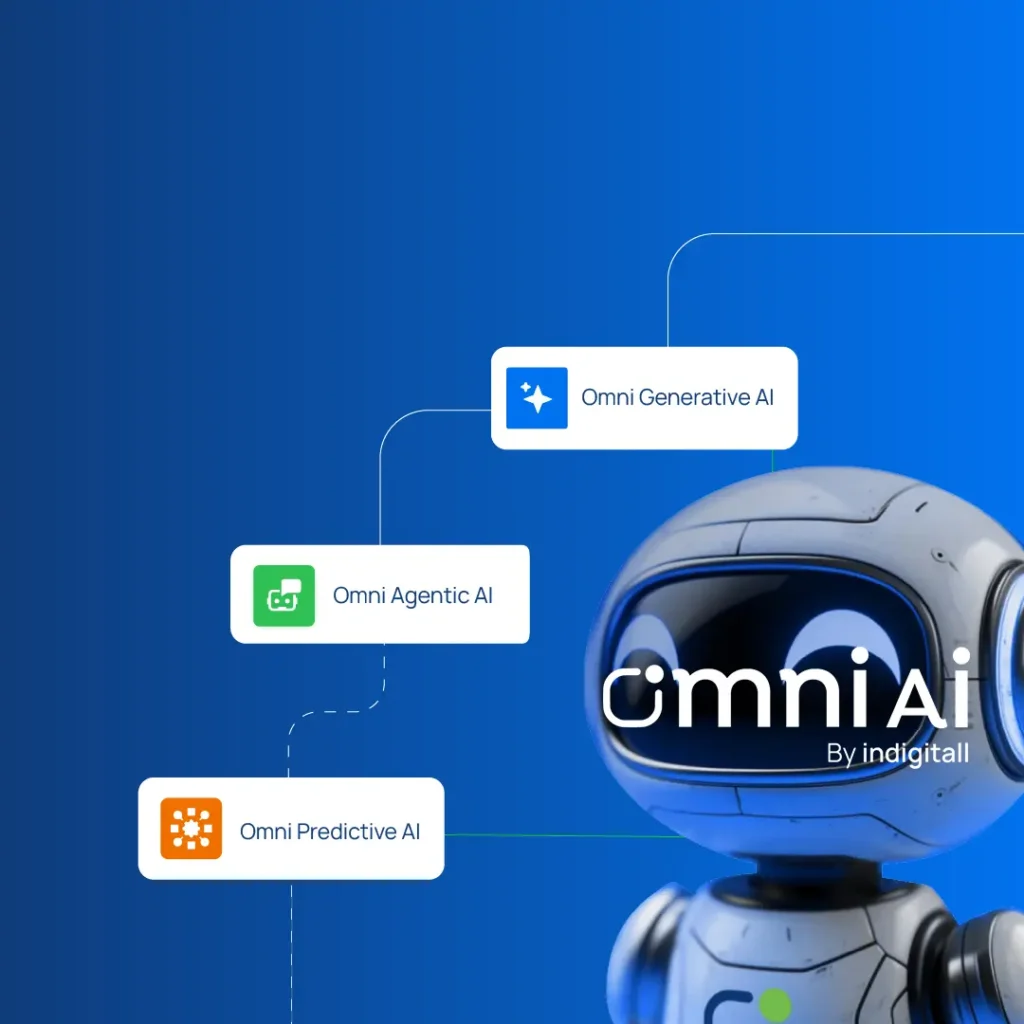












Enterprise Marketing Automation: The Complete Guide to Unifying Your Customer Journey



What is Enterprise Marketing Automation (And Why the Old Definition is Obsolete)
For years, the term “enterprise marketing automation” painted a clear picture: a powerful software suite designed to automate marketing campaigns at scale. Its domain was lead nurturing, sophisticated audience segmentation, and delivering performance analytics. These platforms were revolutionary in their time, allowing brands to move beyond manual batch-and-blast emails and into more personalized, trigger-based communication.
But that definition was built for a different era—an era of one-way, outbound communication. The primary goal was to push messages out to customers. In the digital ecosystem of 2026, this model is fundamentally broken. Your customers no longer sit back and passively receive marketing; they actively engage, question, and demand service on their own terms and on their preferred channels.
The modern enterprise challenge isn’t just about marketing. It’s about orchestrating a continuous, two-way dialogue that seamlessly blends marketing, sales, and customer support. A customer might see a promotion on your website, ask a question via a WhatsApp AI Agent, and expect a follow-up App Push notification confirming their order. To them, this is all one conversation with your brand.
This reality demands a new definition. True Enterprise Marketing Automation in 2026 is no longer just about marketing. It is the complete orchestration of the entire Customer Journey, unifying both outbound communications (promotions, offers, news) and inbound interactions (support queries, service requests, feedback) into a single, intelligent, and cohesive experience.
Think of it as the difference between a monologue and a conversation. Legacy platforms were built to deliver monologues. A modern, global omnichannel strategy requires a platform engineered for conversation, capable of managing a Customer Journey that flows effortlessly between your app, website, WhatsApp Business, and even Mobile Wallet passes. The result is not just automated marketing, but an automated, consistently excellent customer experience that drives loyalty and maximizes lifetime value.
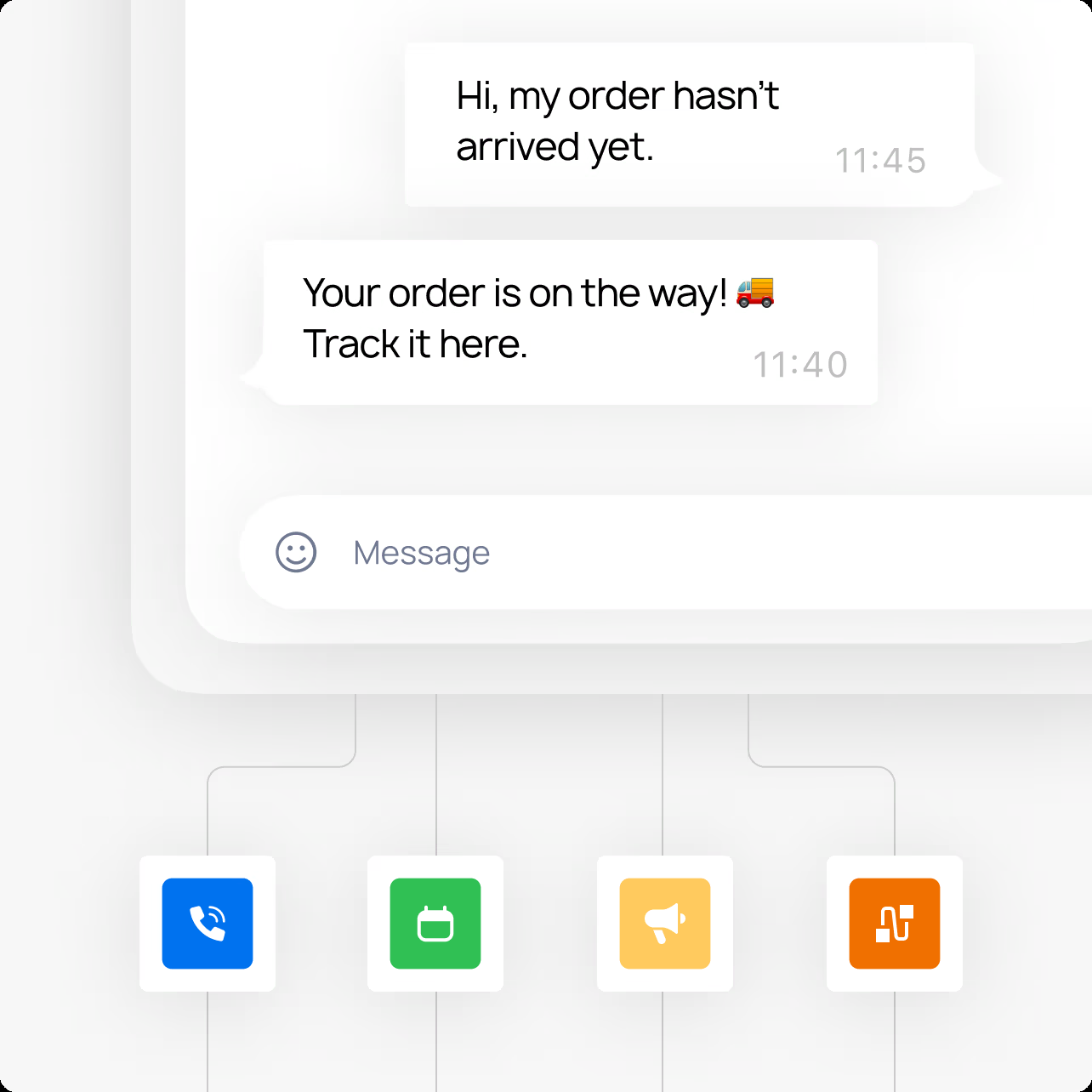
The Hidden Costs of a Disconnected Customer Experience
In the hyper-personalized landscape of 2026, customers don’t just prefer a seamless experience—they demand it. Yet, many enterprises are unknowingly sabotaging their own efforts, operating with a marketing and support technology stack that is fundamentally broken. This fragmentation creates a chasm between brand promise and customer reality, leading to tangible losses in revenue and loyalty.
The core issue is the persistent ‘Silo Problem.’ Your marketing team orchestrates brilliant campaigns using platforms like Marketo or HubSpot, while your support team resolves critical issues within Zendesk or Service Cloud. On paper, both teams are excelling. In practice, these systems operate as isolated islands, with no real-time data bridge connecting their worlds.
Consider this all-too-common scenario: A loyal customer spends an hour on a support chat resolving a frustrating software bug with a newly purchased device. Moments later, an automated email from the marketing department arrives in their inbox with the subject line, “Loving your new device? Upgrade now!” This isn’t just poor timing; it’s a catastrophic failure in the Customer Journey that makes your brand appear deaf and disjointed, pushing a frustrated customer directly toward churn.
Beyond customer alienation, the operational costs of this disconnect are staggering. Enterprises pay exorbitant licensing fees for multiple platforms with overlapping functionalities. They then invest even more in complex, brittle integrations that require constant maintenance by expensive development teams. This “integration tax” drains resources and stifles the agility needed to compete.
Even legacy, all-in-one suites like Salesforce and Adobe, once seen as the solution, often perpetuate the problem. Many were assembled through acquisitions, resulting in a patchwork of technologies that still struggle to communicate seamlessly. For a modern enterprise seeking to deploy a truly Global Omnichannel Strategy—where insights from a WhatsApp conversation instantly inform an in-app push notification—these legacy architectures have become a significant roadblock to innovation.
The true cost, therefore, isn’t just on the balance sheet. It’s the lost opportunity to build lasting relationships, the operational drag on your teams, and the inability to deliver the unified, intelligent experiences that define market leaders today.
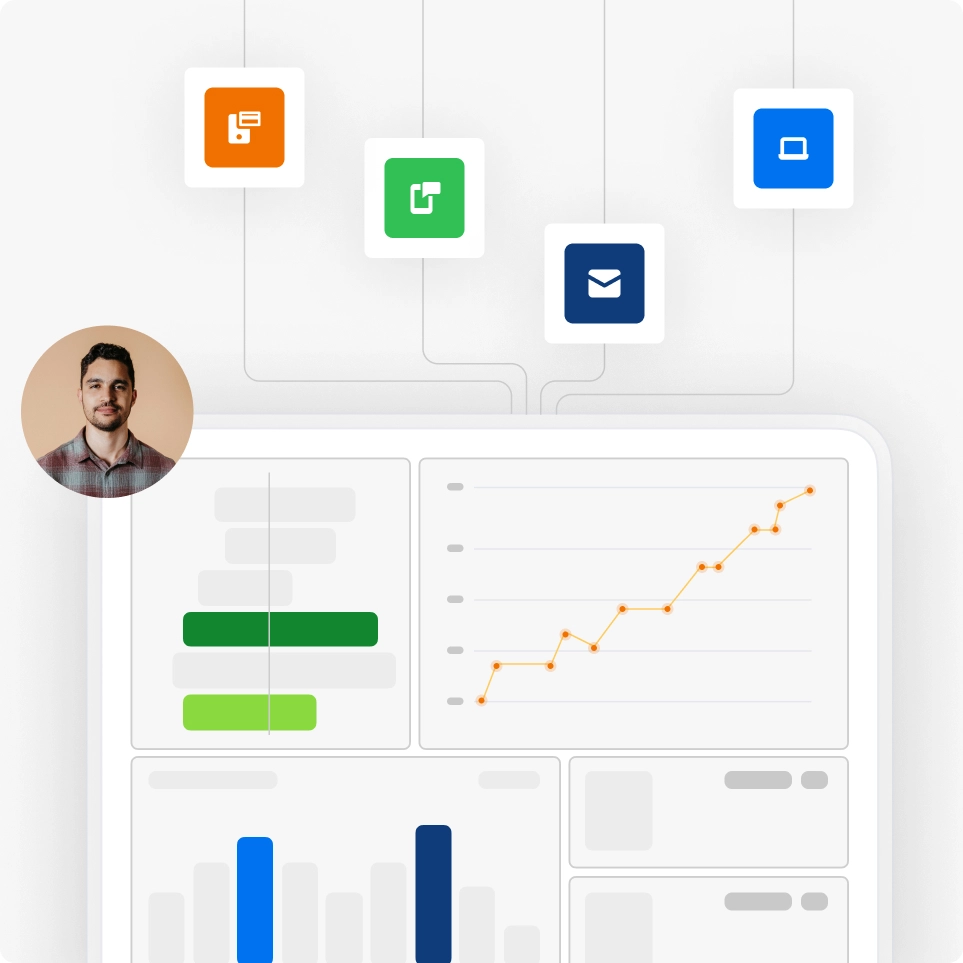
5 Must-Have Capabilities for a Modern Enterprise Automation Platform
The enterprise marketing automation landscape of 2026 is fundamentally different from even a few years ago. Simple, channel-specific automation is no longer sufficient. To win, brands need a sophisticated, intelligent, and unified platform that serves as the central nervous system for their entire customer engagement strategy.
Evaluating a new platform or auditing your current stack requires a modern lens. Here are the five non-negotiable capabilities that separate the leaders from the laggards in today’s competitive environment.
1. True Omnichannel Orchestration
This goes far beyond just supporting multiple channels. True omnichannel orchestration means creating a single, cohesive Customer Journey that fluidly moves across App Push, Web Push, WhatsApp Business, Mobile Wallet, and email without losing context. The platform must serve as a single source of truth for customer preferences and behavior.
In 2026, customers don’t see channels; they see a brand. Your automation platform must reflect this reality, allowing you to, for example, send a cart abandonment push notification, follow up via WhatsApp if it’s not opened, and then update a loyalty pass in their Mobile Wallet, all within a single, orchestrated workflow.
2. AI-Powered Personalization and Optimization
Artificial intelligence has moved from a “nice-to-have” to a core engine for growth. A modern platform must leverage AI in multiple ways, from generative AI that helps marketers craft compelling copy variations to predictive models that identify customers at risk of churn.
Look for capabilities like AI-driven send-time optimization, automated A/B/n testing that learns and adapts, and intelligent audience segmentation. The goal is to move from manual rule-based personalization to an automated system that delivers the perfect message, on the right channel, at the precise moment of relevance for each individual user.
3. A Visual, No-Code/Low-Code Customer Journey Builder
The power to design and deploy sophisticated Customer Journeys should not be locked away with technical teams. The most effective enterprise platforms empower marketers with intuitive, drag-and-drop visual builders. This agility is crucial for responding to market changes in real-time.
From simple welcome series to complex, multi-branching re-engagement campaigns, marketers need the autonomy to build, test, and launch without writing a single line of code. This democratizes campaign creation and frees up valuable developer resources to focus on deeper integrations and innovation.
4. Robust Analytics and Attribution
Data is the lifeblood of marketing automation, but raw data is useless without clear insights. A leading platform must provide a comprehensive analytics suite that goes beyond simple open and click rates. You need to understand the holistic impact of your Customer Journeys on core business KPIs like conversion and lifetime value.
This means having access to customizable dashboards, cohort analysis, funnel visualization, and clear attribution models. Being able to definitively answer “Which sequence of messages drove the most conversions?” is a baseline expectation for any enterprise-grade solution in 2026.
5. Developer-Friendly Extensibility and APIs
While marketers need no-code tools, the platform must also be a powerful and flexible tool for developers. A robust and well-documented API is essential for creating a truly integrated marketing technology ecosystem. This prevents the platform from becoming another data silo.
Your automation tool needs to seamlessly connect with your CRM, CDP, analytics tools, and proprietary backend systems. This extensibility ensures that you can enrich customer profiles with data from any source and trigger communications based on any event, creating a responsive and deeply integrated customer experience.
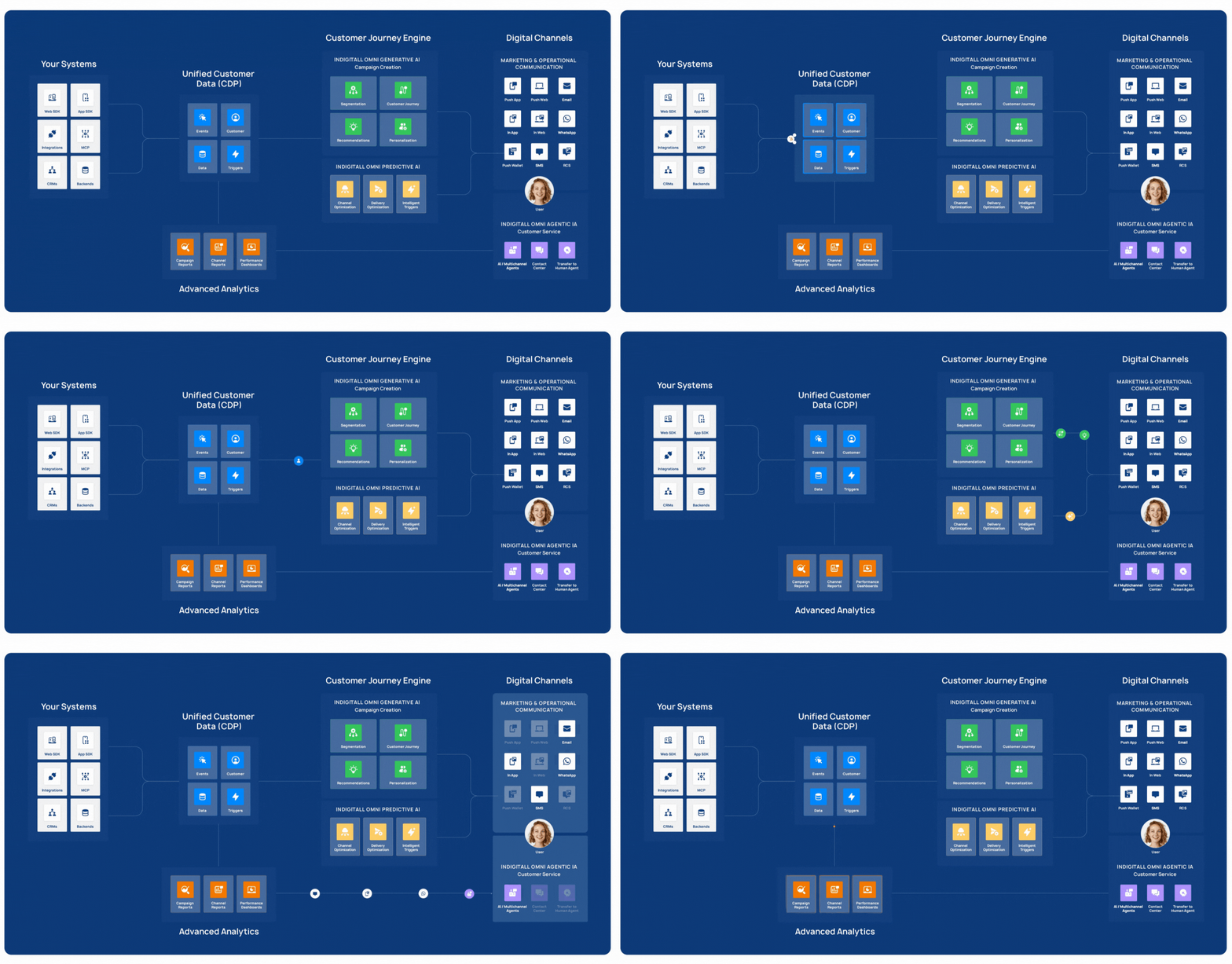
1. Unified Inbound & Outbound Communication
In the digital landscape of 2026, the traditional walls between marketing, sales, and service have completely dissolved. Customers no longer perceive separate departments; they see one brand. A modern enterprise automation platform must therefore manage the complete, bidirectional flow of conversation—from proactive outbound campaigns to reactive inbound support.
True Customer Journey orchestration begins with outbound engagement, such as a personalized offer sent via App Push or a new product announcement on WhatsApp. But the journey crumbles if the platform cannot seamlessly handle the customer’s inbound response, whether it’s a question, a complaint, or a purchase inquiry on that same channel.
The solution lies in a single, unified customer profile. This central record must be the source of truth, dynamically updated with every interaction, regardless of its origin. An outbound marketing click and an inbound support ticket must live side-by-side, creating a rich, contextual history that informs every future action.
Legacy systems, often stitched together from separate “marketing clouds” and “service clouds,” create a fractured customer view. This leads to disjointed experiences: a customer receives a promotional email while simultaneously struggling with a support agent about a delivery issue. This disconnect is a primary driver of customer churn and brand damage.
An effective Global Omnichannel Strategy depends on this unification. A platform built on a single codebase allows you to orchestrate fluid conversations that move across channels. A support interaction initiated on a web chat can trigger a follow-up satisfaction survey via SMS, with all data feeding back into the same profile, ensuring every team has a 360-degree view to maximize customer lifetime value and build genuine loyalty.
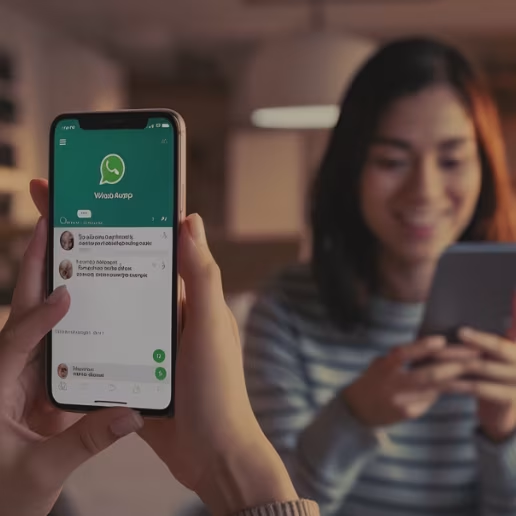
2. Native Leadership in Conversational Channels (especially WhatsApp)
By 2026, the debate is over: conversational channels are not just an add-on; they are the central nervous system of a successful enterprise marketing strategy. However, not all integrations are created equal. The distinction between a native integration and a simple “wrapper” is the difference between leading your market and struggling with unreliable communication.
A “wrapper” or third-party connector is essentially a fragile bridge between your marketing platform and the channel’s API, like WhatsApp. This approach often introduces latency, creates a single point of failure, and delays your access to critical new features. It treats the world’s most popular messaging app as an afterthought.
In contrast, the indigitall platform is built with a native, direct API integration as a premier WhatsApp Business Solution Provider. This means our connection is hardwired into our core infrastructure, providing unparalleled advantages:
- Unmatched Reliability and Speed: Messages are processed and delivered directly, eliminating middlemen. This is crucial for time-sensitive transactional alerts in banking or flash sale notifications in retail, where every second impacts revenue and trust.
- Immediate Access to New Features: When WhatsApp rolls out new capabilities—from advanced interactive buttons to enhanced generative AI response models—our clients get access on day one. You are never left waiting for a third-party connector to catch up.
- Richer Data & Deeper Insights: A native connection feeds all engagement data (delivery receipts, read confirmations, user replies) directly into the indigitall console. This data isn’t siloed; it’s immediately available to inform and trigger the next step in an omnichannel Customer Journey.
Integrating WhatsApp natively means it exists on equal footing with App Push, Web Push, and Mobile Wallet within our ecosystem. This allows you to orchestrate a truly seamless, Global Omnichannel Strategy where a conversation on WhatsApp can intelligently trigger a rich push notification, all managed from a single, unified platform.
3. Accessible AI for Smarter Engagement
By 2026, claiming to have “AI” is no longer a differentiator; it’s a baseline expectation for any serious marketing automation platform. The critical question has shifted from if a platform uses AI to how it empowers marketing teams to leverage that intelligence without needing a dedicated data science department.
This is where indigitall’s approach stands apart. We focus on democratizing artificial intelligence, embedding practical, powerful tools directly into the indigitall console. Our philosophy is simple: AI should be an intuitive co-pilot for the marketer, not a complex black box that requires specialized skills to operate.
Instead of abstract algorithms, we provide tangible features that drive immediate results within your Global Omnichannel Strategy. Here’s how our accessible AI elevates your customer outreach:
- Predictive Sending Orchestration: Our AI engine analyzes individual user behavior across every touchpoint—app usage, website visits, and WhatsApp interactions. It then automatically determines the precise moment each user is most likely to engage, delivering your message at the optimal time to maximize open rates and conversions. This moves you from batch-and-blast to truly personalized, 1-to-1 timing.
- Generative AI Content Assistant: Overcome creative hurdles and scale your content production effortlessly. Right within the campaign builder, our AI assistant helps you craft compelling copy for push notifications, in-app messages, and WhatsApp templates. It can generate multiple variations, suggest powerful calls-to-action, and ensure your tone is perfect for each channel, boosting efficiency and campaign performance.
By integrating these AI capabilities seamlessly into the Customer Journey design process, indigitall empowers your team to build smarter, more resonant campaigns. This is the true promise of an all-in-one solution—where data, intelligence, and execution work in perfect harmony to drive unparalleled engagement.
4. Rapid Time-to-Value
In the enterprise technology landscape of 2026, agility is not just a buzzword—it’s a core survival metric. Yet, many organizations remain shackled by legacy marketing clouds that carry the heavy burden of “implementation debt.” The historical standard of 6-to-12-month platform rollouts is simply untenable in an era where market conditions shift in a single quarter.
This prolonged setup period creates a significant drag on innovation and delays return on investment. Marketing and CRM teams are left waiting for promised capabilities while opportunities to engage customers are missed. The indigitall platform is engineered to directly address this critical enterprise pain point, replacing lengthy and complex deployments with a streamlined, intuitive, and rapid onboarding experience.
Our philosophy is built on empowerment and speed. By providing an all-in-one solution with easy-to-integrate SDKs and a user-friendly interface, we enable your teams to achieve value in a fraction of the time. The indigitall console is designed for the modern marketer, allowing for the immediate creation and launch of powerful Customer Journeys without a heavy reliance on development cycles.
What does this accelerated time-to-value mean for your business?
- Launch Omnichannel Campaigns, Faster: Instead of a phased, year-long rollout, your teams can orchestrate a global omnichannel strategy connecting App Push, Web Push, and WhatsApp Business from the outset. This unified approach delivers a consistent customer experience from day one.
- Secure Quick Wins & Prove ROI: Deploy high-impact campaigns like welcome series, cart abandonment reminders, and promotional alerts within weeks, not months. This allows you to demonstrate tangible results and build internal momentum for your digital transformation initiatives.
- Empower Marketing Autonomy: Our low-code/no-code journey builder reduces the dependency on technical resources. This empowers your marketing team to iterate on strategies, test new ideas, and respond to customer behavior in real-time, dramatically shortening the path from concept to conversion.
With indigitall, you’re not just buying a platform; you’re investing in an accelerator for your entire customer engagement strategy. Move at the speed of your customers and start maximizing lifetime value from the moment you begin.
5. Enterprise-Grade Security and Scalability
In the hyper-connected ecosystem of 2026, a marketing automation platform is more than a tool; it’s a core piece of enterprise infrastructure. Orchestrating a global Omnichannel Customer Journey requires an architecture built on two non-negotiable pillars: unwavering security and limitless scalability.
Customer trust is the ultimate currency. That’s why adherence to data privacy regulations like GDPR and CCPA is the absolute baseline. At indigitall, we go further, embedding a security-by-design philosophy into our platform, validated by rigorous certifications like ISO 27001 to protect your most valuable asset: your customer data.
This commitment ensures that every interaction, from a personalized WhatsApp message to a generative AI-powered chat, is executed within a fortress of compliance and data integrity, safeguarding your brand’s reputation in an era of heightened digital scrutiny.
Enterprise ambition requires a platform that can perform under pressure. We’re not just talking about millions of interactions; we’re talking about an infrastructure engineered to process billions of events across your entire global user base without compromising speed or reliability.
Whether it’s a Black Friday sales rush or a worldwide product launch, the indigitall platform scales seamlessly. This ensures your Omnichannel strategy executes flawlessly across App Push, Web, and WhatsApp Business, delivering a consistent and immediate experience every single time.
Managing security and scalability across a fragmented martech stack is a major source of risk and inefficiency. A unified platform like indigitall eliminates these vulnerabilities by design. By centralizing your Customer Journey orchestration, you gain a single point of control for governance, compliance, and performance monitoring.
This integrated approach not only reduces IT overhead but also empowers your teams to innovate faster, secure in the knowledge that the underlying infrastructure is robust, compliant, and ready to grow with your business.
Indigitall: The First True Unified Engagement Platform for the Enterprise
For years, the chasm between outbound marketing automation and inbound customer support created fragmented, disjointed customer experiences. In 2026, forcing a customer to switch from a marketing conversation to a separate support channel is a direct path to churn. The modern enterprise requires a single, unified fabric for all communication—and that’s precisely what the indigitall platform was built to deliver.
We engineered our ecosystem from the ground up to dissolve the artificial wall between marketing and service. It’s not about integrating two separate systems; it’s about having one platform that natively manages the entire conversational lifecycle. This allows you to orchestrate a Customer Journey that seamlessly transitions between proactive marketing and reactive support, all within a single, continuous dialogue.
Consider this common and powerful use case, orchestrated entirely within the indigitall console:
- The Trigger (Outbound Marketing): A customer browsing your app adds a new laptop to their cart but doesn’t complete the purchase. Your pre-configured Customer Journey in indigitall detects this abandonment and, after 30 minutes, sends a personalized WhatsApp message: “Still thinking about the new X-15 Laptop? We can help you complete your order.”
- The Query (Inbound Moment): The customer replies directly to that WhatsApp message with a question that’s blocking the sale: “Does this model have an international warranty?”
- The Solution (AI-Powered Support): Instead of a redirect or a “we’ll get back to you” delay, an indigitall AI Agent instantly takes over the exact same conversation thread. Trained on your product documentation, it immediately responds: “Yes, the X-15 comes with a 2-year international warranty valid in over 50 countries. Would you like to see the full terms?”
- The Conversion (Unified Success): The customer, satisfied with the instant answer, proceeds to checkout. The entire interaction—from marketing prompt to support query to final conversion—is captured in a unified user profile, enriching your data for the next engagement.
This seamless flow is the new standard for customer engagement, and it’s made possible by indigitall’s core architecture. Our native integration with the WhatsApp Business Platform and our accessible generative AI layer empower marketing teams to build these sophisticated, two-way journeys without complex coding or data science resources.
This is the essence of a Global Omnichannel Strategy. The same unified profile that powered the WhatsApp conversation can then trigger a confirmation via App Push Notification and deliver a loyalty pass to the customer’s Mobile Wallet. It’s not just automation; it’s intelligent, real-time conversation orchestration that drives revenue and builds lasting customer loyalty.
How Indigitall Compares to Legacy Platforms
In the dynamic landscape of 2026, choosing an engagement platform is less about a checklist of features and more about adopting a strategic partner built for the future of customer interaction. While many platforms offer powerful tools, their foundational architecture often reflects a previous era of digital marketing. Understanding these core differences is crucial for any enterprise building a sustainable, long-term engagement strategy.
Let’s explore how the indigitall approach differs from two primary categories of established platforms, moving beyond simple comparisons to focus on strategic philosophy.
Mobile-First vs. Customer-Centric: The New Frontier
Platforms like Braze and Insider are rightly recognized for their robust capabilities in mobile-first, outbound marketing. They excel at orchestrating sophisticated App Push and in-app messaging campaigns, helping brands drive action through mobile channels. This outbound prowess has been a cornerstone of mobile marketing for years.
However, the paradigm has shifted. Today’s customer expects a two-way conversation, not just a one-way message. The primary limitation of a purely mobile-first outbound model is that it struggles to natively manage the rich, inbound conversations that customers now initiate. Bolting on conversational channels often results in a disjointed experience for both the user and the support team.
The indigitall platform was architected for this new reality. We deliver a truly unified ecosystem where marketing, sales, and support converge. Our native, deep integration with WhatsApp Business, coupled with our advanced AI Agents, allows brands to not only send messages but to manage the entire inbound conversation, from initial query to automated resolution or seamless handoff to a live agent. This transforms a marketing channel into a comprehensive engagement and service hub within a single Customer Journey.
Email-Centric vs. Omnichannel-Native: Agility in 2026
On the other end of the spectrum are the titans of B2B marketing automation like HubSpot and Marketo. These platforms are incredibly powerful for managing long, complex, email-driven lead nurturing funnels. Their strength lies in scoring leads and automating traditional marketing sequences over weeks or months.
While effective for their original purpose, their email-centric architecture can be less agile for the real-time, event-driven demands of modern B2C and B2B2C communication. Orchestrating a fluid Global Omnichannel Strategy—where a website visit instantly triggers a WhatsApp offer that updates a Mobile Wallet pass—can be complex and siloed within these legacy systems.
In contrast, indigitall is omnichannel-native. Our platform is designed to connect disparate touchpoints into one cohesive Customer Journey without friction. Whether a customer is on your app, website, or interacting via RCS, the indigitall console provides a single source of truth and orchestration, enabling the agility required to meet customer expectations in 2026.
The Key Distinction: Marketing Automation vs. Unified Engagement
Ultimately, the difference is one of scope and vision. Most competitors offer powerful marketing automation tools designed to execute campaigns and send messages.
Our focus at indigitall is on delivering unified customer engagement automation. It’s a holistic approach that seamlessly blends outbound marketing, inbound service, and transactional utility into a single, intelligent ecosystem. We empower you to manage the entire customer lifecycle, not just the marketing touchpoints, creating more valuable, lasting relationships and maximizing customer lifetime value.
Conclusion: Stop Automating Tasks, Start Unifying Conversations
The journey through this guide has made one thing abundantly clear for enterprise leaders in 2026: marketing automation has fundamentally evolved. The winning strategy is no longer about scheduling campaigns or automating isolated tasks. It’s about unifying the entire Customer Journey into a single, seamless, and intelligent conversation.
Legacy platforms, with their siloed data and channel-specific limitations, are the primary bottleneck to achieving this. They force marketing and CRM teams to stitch together fragmented experiences, leaving customers with a disjointed and impersonal impression of your brand. This approach is no longer sustainable in a hyper-competitive landscape.
True digital transformation requires a strategic partner built for the modern, conversational world. It demands an all-in-one platform that can orchestrate a Global Omnichannel Strategy across every critical touchpoint, from App Push and Web Push to WhatsApp Business and AI-powered agents, all from a single interface like the indigitall console.
This is the critical shift from automation to orchestration. By centralizing your data and communications within a single ecosystem, you empower your team to move beyond simple triggers and build adaptive Customer Journeys that maximize engagement, boost conversion, and drive lifetime value.
The future of customer engagement isn’t found in another disconnected tool. It’s in a unified platform that turns every interaction into a meaningful part of a larger conversation.
Ready to see what a unified platform can do? Schedule a demo of indigitall today.