indigitall Omni AI
 Start chat with AI agent
 Speak with AI voice agent
 Book a Demo

 Speak to an Expert












E-commerce Omnichannel: The Ultimate Guide to a Seamless Customer Journey


E-commerce Omnichannel: The Ultimate Guide to a Seamless Customer Journey
What is an Omnichannel E-commerce Strategy?
In today’s hyper-connected world, customers don’t see channels; they see a brand. An omnichannel e-commerce strategy recognizes this reality by placing the customer at the absolute center of the business model. It’s an integrated approach that aims to create a single, seamless, and consistent customer experience across all touchpoints and devices. Whether a customer is browsing on a laptop, using a mobile app, visiting a physical store, or interacting on social media, the experience is unified and continuous. The journey can start on one channel and flawlessly transition to another without any friction or loss of context. It’s about creating a holistic ecosystem where every element works in concert to serve the customer.
Omnichannel vs. Multichannel: Understanding the Key Difference
Many businesses confuse multichannel with omnichannel, but the distinction is critical. A multichannel strategy means you are available on multiple channels, but these channels often operate in silos. The website team is separate from the retail team, which is separate from the social media team. Data isn’t shared, and the customer experience can feel fragmented. Omnichannel, on the other hand, is the evolution of multichannel. It integrates these channels to create a single, unified experience. Think of it like a symphony orchestra: in a multichannel setup, each instrument plays its own tune. In an omnichannel setup, a conductor ensures all instruments play the same symphony in harmony.
- Focus: Multichannel is channel-centric, focusing on maximizing the performance of individual touchpoints. Omnichannel is customer-centric, focusing on the overall experience across all touchpoints.
- Integration: In a multichannel approach, channels are siloed. In an omnichannel approach, channels are deeply integrated, sharing data and inventory in real-time.
- Experience: Multichannel can lead to a disjointed journey. A customer might see a promotion online that isn’t honored in-store. Omnichannel ensures a consistent and seamless experience, where context and history follow the customer from one channel to the next.
Why an Omnichannel Approach is Crucial for Modern E-commerce
Adopting an omnichannel strategy is no longer a luxury—it’s a fundamental requirement for survival and growth in the competitive e-commerce landscape. Customers have come to expect convenience and personalization, and businesses that fail to deliver a unified experience will be left behind.
Boosts Customer Loyalty and Retention
A seamless and consistent experience builds trust and fosters a strong emotional connection with your brand. When customers feel understood and valued, they are far more likely to return. Omnichannel strategies have been shown to significantly increase customer retention rates. Happy customers not only come back but also have a higher lifetime value (LTV), making the investment in an integrated experience highly profitable over the long term.
Increases Sales and Average Order Value (AOV)
By removing friction from the buying journey, an omnichannel approach naturally leads to higher conversion rates. Features like ‘Buy Online, Pick Up In-Store’ (BOPIS), ‘Click and Collect’, and easy in-store returns for online purchases bridge the gap between digital and physical retail. These services not only provide convenience but also drive additional foot traffic to physical locations, often resulting in further impulse purchases and increasing the overall AOV.
Provides a Unified 360-Degree Customer View
One of the most powerful benefits of an omnichannel strategy is the consolidation of customer data. By integrating data from every touchpoint—website browsing history, app usage, in-store purchases, customer service interactions, and social media engagement—you can build a true 360-degree view of each customer. This comprehensive understanding allows for unparalleled personalization, enabling you to deliver the right message on the right channel at the right time.
Enhances the Customer Experience (CX)
At its core, omnichannel is about improving the customer experience. Modern consumers value their time and convenience above all else. They don’t want to repeat their issues to different customer service agents or find that their online shopping cart doesn’t sync with their mobile app. An omnichannel strategy eliminates these frustrations, creating a smooth, intuitive, and satisfying journey that meets and exceeds customer expectations.
Core Pillars of a Successful Omnichannel Strategy
Building a true omnichannel ecosystem requires a strong foundation built on several key pillars. These elements must work together to support a unified customer journey.
1. Centralized Customer Data
The heart of any omnichannel strategy is data. You need a centralized system, such as a Customer Data Platform (CDP), to collect, unify, and manage customer information from all sources. This platform becomes the single source of truth, allowing marketing, sales, and service teams to access a complete customer profile and deliver personalized experiences based on their behavior, preferences, and history.
2. Integrated Inventory and Order Management
Customers expect to know what’s in stock and where. An integrated Inventory Management System (IMS) and Order Management System (OMS) are critical. These systems provide real-time visibility into inventory across all locations, including warehouses and physical stores. This enables powerful capabilities like ship-from-store, BOPIS, and accurate stock levels on your website, preventing customer frustration and lost sales.
3. Consistent Branding and Messaging
Your brand’s voice, tone, visual identity, and promotional offers must be consistent across every single channel. A customer should receive the same high-quality brand experience whether they are on your Instagram page, reading an email newsletter, or speaking with a sales associate. This consistency builds brand recognition and reinforces trust.
4. Seamless Technology Integration
Your technology stack must be able to communicate seamlessly. This means your e-commerce platform, Point of Sale (POS) system, CRM, CDP, marketing automation platform, and customer support tools need to be tightly integrated. A platform like indigitall can play a crucial role here, orchestrating communications across channels like push notifications, email, and SMS to ensure messages are coordinated and context-aware.
How to Build and Implement Your E-commerce Omnichannel Strategy: A Step-by-Step Guide
Transitioning to an omnichannel model is a significant undertaking, but it can be managed through a structured, step-by-step approach.
Step 1: Map Your Customer Journeys
Begin by putting yourself in your customers’ shoes. Map out all the potential paths they take when interacting with your brand. Identify every touchpoint, from initial discovery to post-purchase support. Analyze these journeys to pinpoint friction points and opportunities for creating a more seamless transition between channels.
Step 2: Break Down Internal Silos
An omnichannel strategy cannot succeed with a siloed organizational structure. Foster a culture of collaboration between departments. Marketing, sales, IT, customer service, and logistics must work together, sharing data and aligning on the common goal of improving the overall customer experience. This cultural shift is often the most challenging but also the most important part of the transformation.
Step 3: Invest in the Right Technology Stack
Select technology that supports integration and data sharing. Your core stack should include:
- Customer Data Platform (CDP): To unify customer data.
- Order Management System (OMS): For flexible and efficient fulfillment.
- E-commerce Platform: A flexible platform that can integrate with other systems.
- Marketing Automation: A solution that can manage and personalize communications across multiple channels.
Step 4: Personalize Communications Across Channels
Use your unified customer data to deliver highly personalized and relevant interactions. If a customer abandons a cart on your website, you can send them a reminder via a web push notification. If they browse a specific product category in your app, you can send them an email with related recommendations. The key is to make every communication feel timely, helpful, and tailored to their individual journey.
Step 5: Train Your Teams
Your employees are on the front lines of your omnichannel strategy. Provide comprehensive training to ensure they understand the new processes and are empowered to help customers. For example, in-store associates should be trained on how to process online returns, look up customer order histories, and assist with online-only products.
Step 6: Measure, Analyze, and Optimize
Omnichannel is not a one-time project; it’s an ongoing process of improvement. Define key performance indicators (KPIs) to track your success, such as customer lifetime value, cross-channel conversion rates, customer satisfaction scores (CSAT), and retention rates. Use this data to continuously analyze performance, identify areas for improvement, and optimize your strategy.
Examples of Brands Excelling at Omnichannel E-commerce
Sephora: The Beauty Retail Pioneer
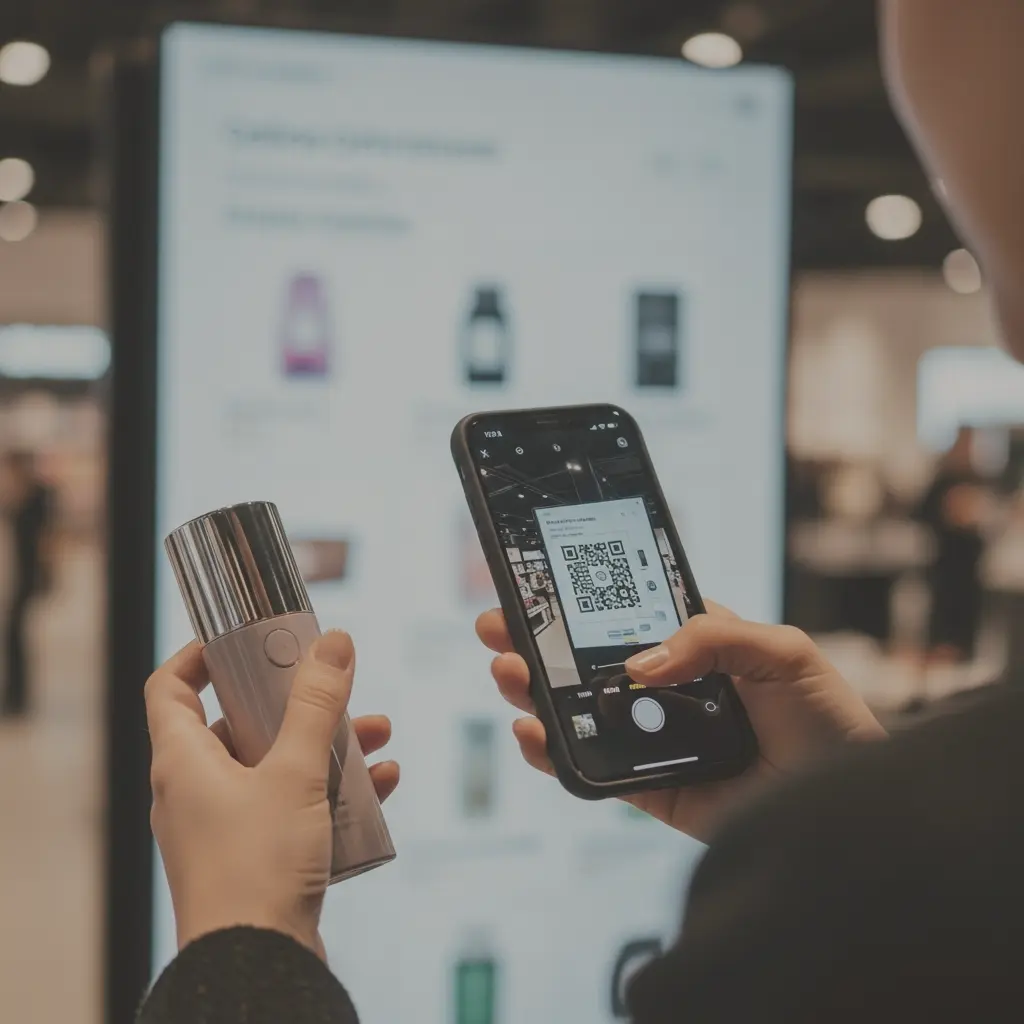
Sephora masterfully blends its digital and physical experiences. Its Beauty Insider loyalty program is at the core, accessible via the mobile app and in-store. The app allows customers to scan products in-store to read reviews, access their purchase history (to remember their foundation shade), and use augmented reality to virtually try on makeup. This digital-in-store integration creates an incredibly rich and personalized shopping experience.
Nike: A Seamless Digital and Physical Experience
Nike uses its Nike App and Nike+ membership to create a unified ecosystem. Members get exclusive access to products, can reserve items to try on in-store, and can scan barcodes to get more product information. Their flagship ‘House of Innovation’ stores are designed around the app, offering member-only lounges and instant checkout, completely blurring the lines between physical and digital retail.
Starbucks: The Master of Mobile Integration
Starbucks is a prime example of a mobile-first omnichannel strategy. Its mobile app is a central hub for ordering ahead, paying, and collecting rewards. A customer’s rewards status is updated in real-time, whether they pay with the app, a physical card, or cash in-store. This seamless integration makes the process incredibly convenient and keeps customers locked into the Starbucks ecosystem.
The Future of Omnichannel: Trends to Watch
The evolution of omnichannel is far from over. Several key trends are shaping its future.
The Rise of AI and Hyper-Personalization
Artificial intelligence and machine learning will enable brands to achieve an even deeper level of personalization. AI algorithms can analyze vast amounts of customer data to predict future behavior, recommend products with uncanny accuracy, and power conversational chatbots that provide instant support across any channel.
Integrating Augmented Reality (AR)
AR is set to further bridge the gap between online and offline shopping. For fashion and home goods retailers, AR will allow customers to visualize products in their own space—trying on clothes in a virtual mirror or seeing how a new sofa would look in their living room—creating a more confident and engaging buying experience.
The Growth of Headless Commerce
Headless commerce architecture decouples the front-end presentation layer from the back-end e-commerce functionality. This provides brands with ultimate flexibility to deliver consistent content and commerce experiences to any touchpoint, including IoT devices, smart mirrors, voice assistants, and other emerging technologies.
Conclusion: Unifying the Experience for the Modern Consumer
In the end, an omnichannel e-commerce strategy is about a fundamental shift in perspective: from a business-centric view of channels to a customer-centric view of the overall experience. It’s about recognizing that the customer’s journey is fluid and non-linear, and building an ecosystem that supports them every step of the way. By breaking down silos, integrating technology, and leveraging data, you can create the seamless, personalized, and consistent experiences that build lasting loyalty and drive sustainable growth. Implementing a robust communication platform is a key step in this journey, enabling you to orchestrate the personalized messages that tie the entire experience together.