indigitall Omni AI
 Start chat with AI agent
 Speak with AI voice agent
 Book a Demo

 Speak to an Expert











10 Key Advantages of Market Segmentation to Boost Your ROI



Why Generic Marketing Fails in 2026
In the hyper-connected landscape of 2026, the ‘one-size-fits-all’ marketing message is more than just ineffective—it’s invisible. Today’s customers are inundated with digital touchpoints and have come to expect a level of personalization that anticipates their needs and respects their preferences.
Sending the same generic message to your entire database no longer delivers a return on investment. The strategic antidote to this marketing noise is not to shout louder, but to speak with precision, relevance, and perfect timing.
This is where market segmentation becomes the cornerstone of any successful digital strategy. It is the disciplined process of dividing your broad target market into smaller, more manageable subsets of consumers who share common needs, interests, or characteristics.
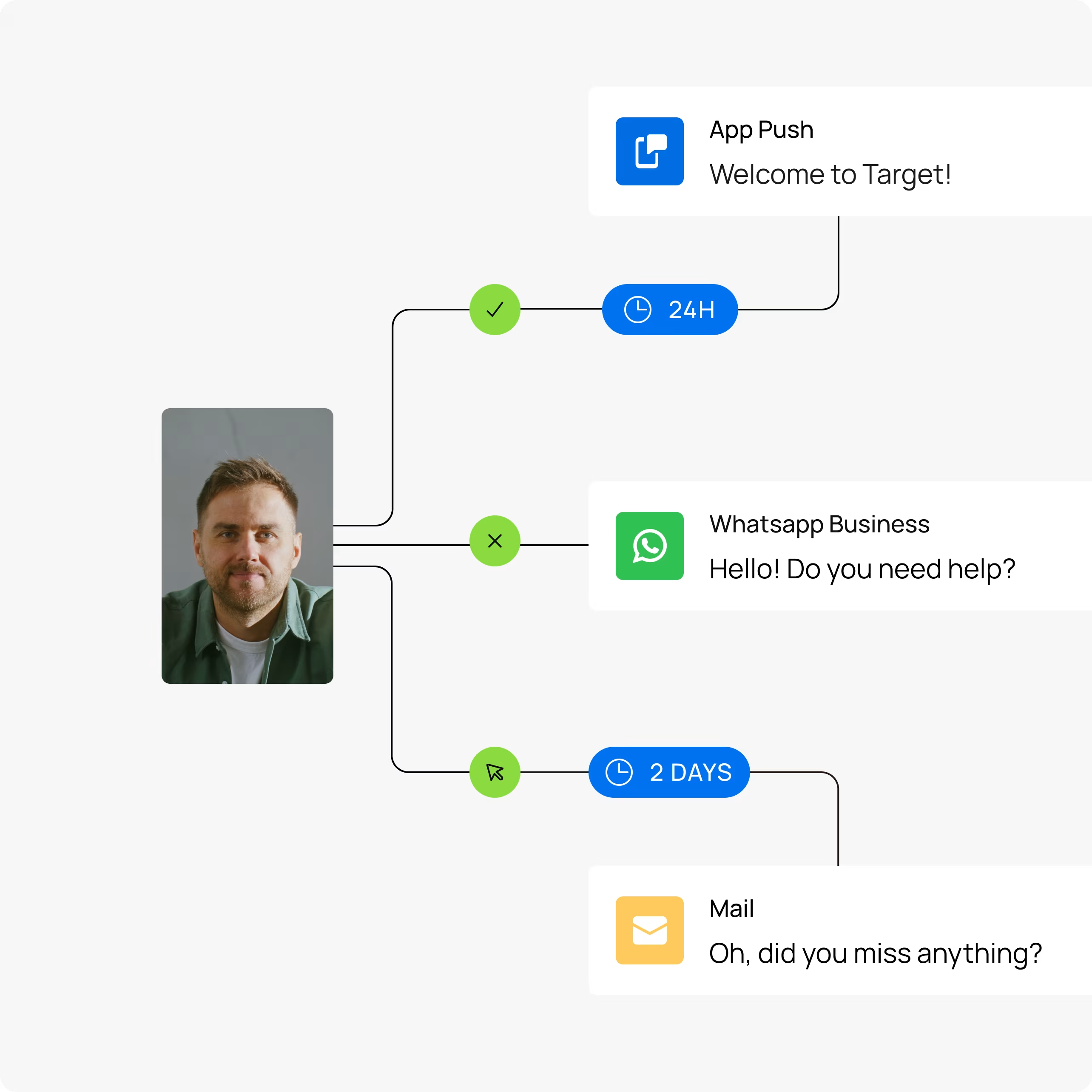
Effective segmentation is the fuel for a powerful Omnichannel strategy. It allows you to design a unique Customer Journey for each group, delivering tailored messages on their preferred channels—whether that’s a rich App Push notification, a conversational message on WhatsApp, or a dynamic web pop-up. Orchestrating these distinct conversations at scale is the key to maximizing engagement and lifetime value.
In this guide, we will explore the 10 key advantages of implementing a robust market segmentation strategy. We’ll move beyond the theory to show you how it directly translates into boosted engagement, higher conversions, and a significantly improved ROI for your brand.
What Are the Main Types of Market Segmentation?
To effectively implement market segmentation, it’s crucial to understand its foundational pillars. While advanced AI in 2026 allows for incredibly granular and predictive micro-segmentation, most successful strategies begin with four primary types. Mastering these allows you to build a sophisticated, data-driven framework for all your customer communications.
Let’s explore each of these core models.
1. Geographic Segmentation
This is the most straightforward approach, dividing your market based on physical location. This can be as broad as a continent or as specific as a postal code, allowing for hyper-local targeting that feels immediately relevant to the user.
Practical Examples for 2026:
- A global retail brand uses geofencing to send an App Push Notification about an in-store-only flash sale to customers who are within a 1-kilometer radius of a specific store.
- A streaming service promotes a live broadcast of a local sports team’s game to all subscribers within that team’s home city or state.
- A travel company sends real-time travel advisory updates via WhatsApp to users currently located in a region experiencing weather disruptions.
2. Demographic Segmentation
Demographic segmentation groups customers based on quantifiable, statistical data. This includes attributes like age, gender, income level, education, occupation, and family status. It answers the “who” your customer is in a tangible way.
Practical Examples for 2026:
- A fintech app targets high-income professionals aged 30-45 with personalized web push messages about new investment opportunities.
- A fashion e-commerce brand sends different marketing campaigns to Gen Z (under 30) and Millennial (30-45) audiences, showcasing trending styles relevant to each group.
- A telecommunications provider designs a Customer Journey to promote its “Family Share” data plans to users identified as heads of households.
3. Psychographic Segmentation
This is where we move from “who” the customer is to “why” they make certain choices. Psychographic segmentation clusters audiences based on their lifestyle, values, interests, attitudes, and personality traits. It’s about understanding their intrinsic motivations.
Practical Examples for 2026:
- A wellness brand targets users who have previously engaged with content about sustainability with messages highlighting their new eco-friendly packaging.
- A luxury automotive company sends exclusive preview invitations to a segment of customers whose past behavior indicates they value cutting-edge technology and performance.
- A media company uses data on content consumption to segment users into “Thrill Seekers” or “Documentary Fans,” tailoring recommendations across their app and web platforms.
4. Behavioral Segmentation
Perhaps the most powerful for driving action, behavioral segmentation groups users based on their direct interactions with your brand. This includes their purchase history, app usage frequency, website browsing patterns, feature adoption, and loyalty status.
Practical Examples for 2026:
- An online retailer triggers an automated WhatsApp message with a 10% discount to users who abandoned their shopping cart in the last hour.
- A banking app identifies users who have not yet used its new AI-powered savings tool and sends a helpful in-app message showcasing its benefits.
- A subscription service creates a “VIP” segment of its most loyal, long-term customers, granting them early access to new features and content.
The true potential is unlocked not by using these types in isolation, but by combining them. An effective Global Omnichannel Strategy relies on a platform that can synthesize demographic, behavioral, and geographic data to trigger the right message on the right channel, creating a seamless and powerfully personalized Customer Journey.
Demographic Segmentation
Demographic segmentation is one of the most foundational and widely-used strategies, involving the division of your market based on quantifiable population characteristics. These attributes include age, gender, income, education level, occupation, and marital status.
Even in the advanced digital landscape of 2026, this method remains incredibly effective because these traits often correlate directly with a customer’s needs, preferences, and purchasing power. It provides a clear, data-driven starting point for understanding who your customer is on a fundamental level.
A classic example is a luxury automotive brand targeting high-income professionals between the ages of 40 and 60. By focusing on this demographic, the brand can craft messaging that speaks to career achievement, financial success, and a desire for premium quality—themes that resonate strongly with this specific audience and drive higher-quality leads.
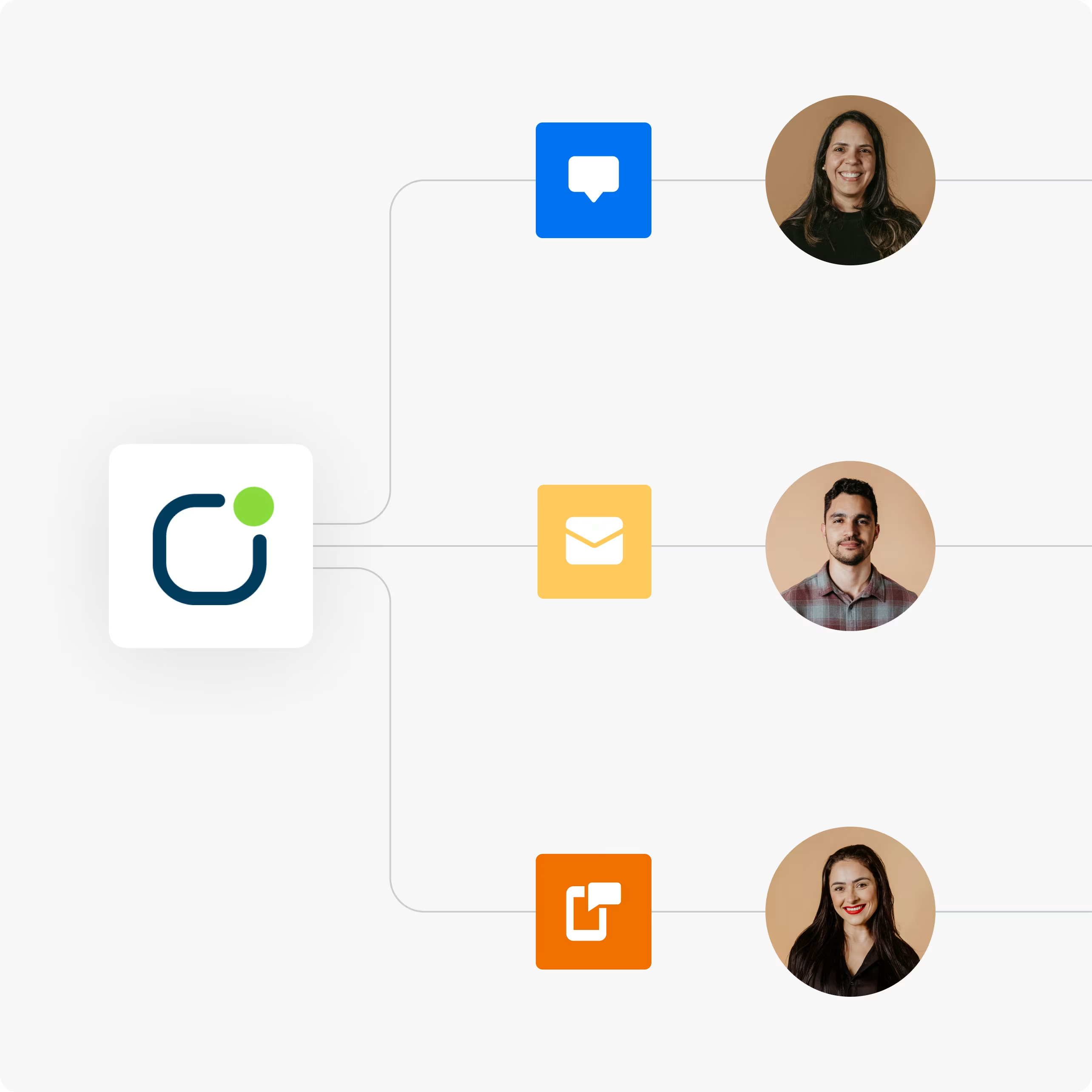
In a modern omnichannel strategy, this data becomes even more powerful. A unified platform like indigitall allows you to capture this information and use it to orchestrate highly relevant Customer Journeys. For instance:
- A retail brand can send an App Push Notification with an exclusive offer on a new professional clothing line to users segmented by “Office Worker” occupation and a specific income bracket.
- A financial institution can engage a younger demographic (22-30) about first-time investment products via WhatsApp Business, using a friendly, accessible tone that aligns with that generation’s communication style.
By integrating demographic data directly into your marketing automation tools, you move beyond generic campaigns. You create a system where every message is tailored and delivered on the most appropriate channel, boosting relevance and maximizing customer lifetime value (LTV).
Geographic Segmentation
Geographic segmentation is a foundational strategy that organizes your audience based on their physical location. This can range from the macro-level, such as continent or country, down to the hyper-local, including city, neighborhood, or even a specific radius around a physical store.
In 2026, this goes far beyond simply translating language. Imagine a global fashion retailer using real-time weather data to trigger automated campaigns. A sudden cold snap in Northern Europe could deploy a Push Notification showcasing a flash sale on thermal wear, while a heatwave in Southeast Asia prompts a WhatsApp message featuring new swimwear collections.
This level of precision is a cornerstone of a successful Global Omnichannel Strategy. Location data allows you to orchestrate a seamless Customer Journey across every touchpoint. A customer entering a specific geo-fenced area could receive an in-app offer, while regional promotions can be sent via WhatsApp to ensure maximum reach and relevance.
Effectively managing these dynamic, location-based interactions requires a powerful, unified platform. The ability to design, trigger, and analyze geo-targeted campaigns across App, Web, and WhatsApp from a single interface, like the indigitall console, is what separates basic communication from a truly intelligent customer engagement ecosystem.
Key advantages of leveraging geographic segmentation today include:
- Hyper-Relevant Messaging: Deliver offers and content that align perfectly with a user’s local climate, culture, and events.
- Increased Conversion Rates: Localized promotions and store-specific information drive higher engagement and direct sales.
- Optimized Marketing Spend: Focus your budget and resources on regions with the highest propensity to convert, maximizing ROI.
- Enhanced Customer Experience: Make customers feel seen and understood by acknowledging their specific geographic context in your communications.
Psychographic Segmentation
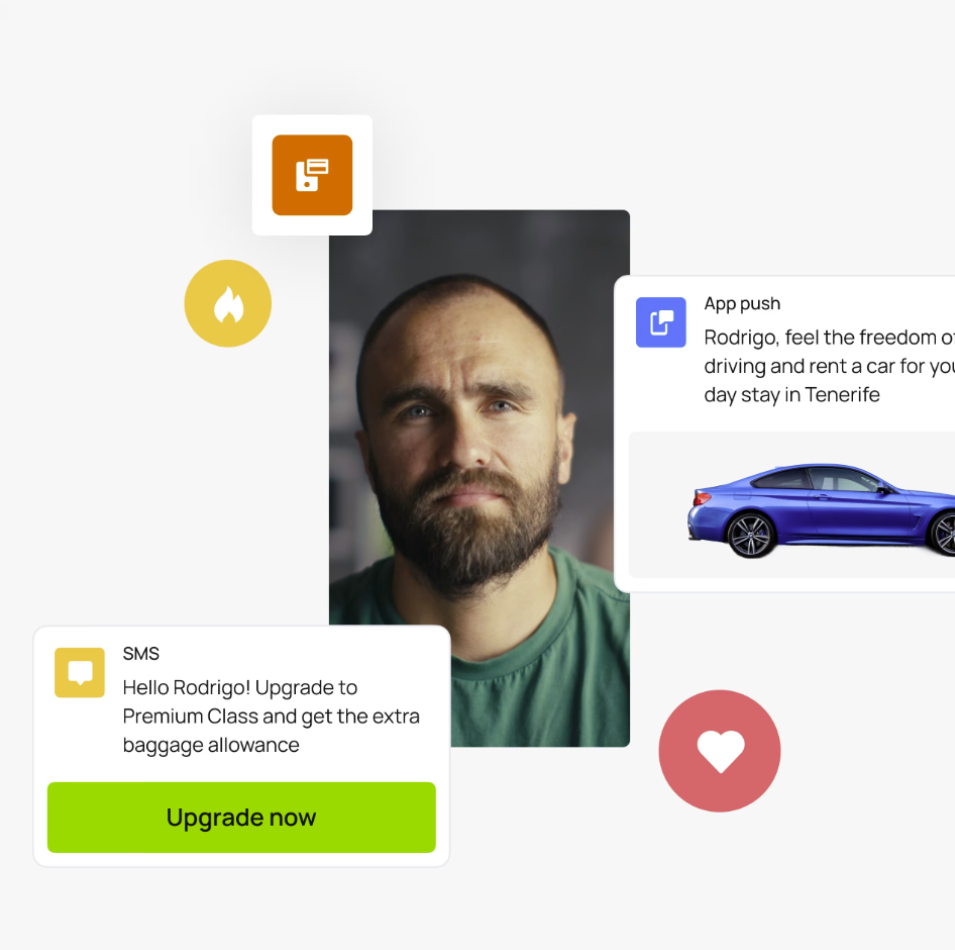
While demographics tell you who your customer is, psychographic segmentation explains why they buy. This advanced strategy groups audiences based on intrinsic human characteristics like personality, values, attitudes, interests, and lifestyle choices.
In the hyper-personalized market of 2026, understanding a customer’s worldview is no longer a luxury—it’s the key to building authentic brand loyalty. Consumers expect brands to understand their motivations and align with their values, making this form of segmentation a powerful driver of meaningful engagement.
Consider a premium fitness brand that wants to connect with its most valuable customers. Instead of just targeting by age or income, they use psychographic data to identify a core segment.
- The Segment: “The Mindful Achiever.” This group values holistic wellness, sustainability, and personal growth. They are interested in outdoor activities, organic nutrition, and technology that enhances their well-being.
- The Strategy: The brand crafts a Customer Journey tailored to these values. An App Push notification might highlight the recycled materials used in a new product line, while a personalized email could offer a guide to mindful running techniques. A WhatsApp message could invite them to an exclusive local yoga retreat.
- The Omnichannel Impact: This approach is central to a Global Omnichannel Strategy. Data on lifestyle interests gathered from web browsing can trigger a highly relevant communication on a mobile channel. Orchestrating these touchpoints seamlessly makes the customer feel understood, not just marketed to.
Executing this level of personalization requires a cohesive ecosystem. Managing psychographic-driven campaigns across App, Web, and WhatsApp from a single, integrated platform like the indigitall console ensures that your value-driven messaging is consistent and impactful at every stage of the Customer Journey.
Behavioral Segmentation
Behavioral segmentation moves beyond who your customers are and focuses on what they do. In 2026, this is arguably the most powerful form of segmentation, as it leverages the rich digital footprint every user leaves behind—from website clicks and app usage to purchase history and service inquiries.
This method involves dividing your audience based on their direct interactions with your brand. It’s a dynamic approach that allows for real-time personalization, as you’re responding to demonstrated intent rather than static demographic data. The core principle is that past and present actions are the strongest predictors of future behavior.
Common behavioral segments include:
- Purchase Behavior: Grouping customers by their buying habits, such as frequent purchasers, first-time buyers, cart abandoners, or customers who only buy during sales events.
- Benefit Sought: Segmenting based on the specific value or benefit a customer is looking for in a product, like convenience, low price, or premium quality.
- Engagement Level: Identifying your most active users (e.g., daily app users, frequent content readers) versus those who are at risk of churning.
- Customer Loyalty Status: Differentiating between brand advocates, loyal repeat customers, and occasional shoppers to tailor retention and reward strategies.
Imagine a customer in your retail app browses high-performance running shoes but abandons their cart. A sophisticated behavioral segment automatically identifies this action. Instead of a generic reminder, you can orchestrate an intelligent Customer Journey through the indigitall console. This could trigger a targeted push notification 2 hours later with a message like, “Still thinking it over? See why runners love the new Xylo-Flex series,” linking directly back to their cart.
Integrating these behavioral triggers into a Global Omnichannel Strategy is where the magic happens. That cart abandonment signal can also inform a follow-up WhatsApp message with a helpful sizing guide or a web push notification the next time they visit your site. A unified platform like indigitall is essential for capturing these behavioral signals across all touchpoints and orchestrating immediate, relevant, and conversion-focused responses.
Top 10 Advantages of Market Segmentation
Market segmentation is no longer a strategic option; in 2026, it is the foundational pillar of any successful growth strategy. By dividing a broad market into distinct subsets of consumers with common needs, interests, and priorities, you can unlock unprecedented efficiency and impact. Here are the ten core advantages that a robust segmentation strategy delivers.
- 1. Create Stronger, More Focused Marketing MessagesGeneric, one-size-fits-all messaging gets lost in the digital noise. Segmentation allows you to move beyond broad statements and speak directly to the specific pain points, needs, and aspirations of each audience group. This hyper-relevance makes your communication more persuasive, driving significantly higher engagement and conversion rates.
- 2. Increase Customer Loyalty and RetentionWhen customers feel understood, they form a deeper, more meaningful connection with your brand. By tailoring offers, content, and support to their specific context, you show them they are valued as individuals, not just as numbers. This emotional resonance is the key to building lasting loyalty and maximizing Customer Lifetime Value (LTV).
- 3. Improve Marketing ROI and Reduce Wasted SpendPrecision targeting eliminates waste. Instead of deploying budget across a wide audience, segmentation allows you to focus your resources on the segments most likely to convert. This data-driven approach ensures every marketing dollar is invested for maximum impact, dramatically improving your Return on Investment (ROI).
- 4. Identify Niche Markets and New OpportunitiesDeep analysis of your customer segments often reveals untapped potential. You might discover underserved niche markets, emerging consumer trends, or new use cases for your products. These insights are invaluable for driving innovation and securing a first-mover advantage in new verticals.
- 5. Differentiate Your Brand from CompetitorsIn a crowded marketplace, a powerful segmentation strategy is your ultimate differentiator. By catering to the unique needs of a specific segment better than anyone else, you carve out a defensible position. You stop competing on price alone and start competing on a superior understanding of the customer.
- 6. Enhance Product DevelopmentYour best guide to innovation is your customer base. By segmenting users based on behavior and feedback, you can gain clear insights into what features to build, what problems to solve, and what improvements to prioritize. This ensures your product roadmap is perfectly aligned with real market demand.
- 7. Optimize Pricing StrategiesNot all customers perceive value in the same way, and their price sensitivity can vary dramatically. Segmentation allows you to implement more sophisticated pricing models, from targeted promotions for price-sensitive groups to premium tiers for high-value customers, maximizing revenue without alienating your user base.
- 8. Streamline Multi-Channel CommunicationA true Omnichannel strategy relies on knowing not just *what* to say, but *where* and *when* to say it. Segmentation reveals your audiences’ channel preferences, allowing you to orchestrate seamless Customer Journeys. You can send an urgent alert via App Push, nurture a lead through WhatsApp, and deliver in-depth content via email, all within a single, cohesive strategy managed from one platform.
- 9. Improve Customer Service and SupportSegmentation extends far beyond marketing. By creating operational segments like ‘VIP Customers,’ ‘New Users,’ or ‘At-Risk Accounts,’ you can provide tailored support experiences. This could involve routing high-value clients directly to senior agents or using AI Agents to proactively guide new users through onboarding, boosting satisfaction and efficiency.
- 10. Make Data-Driven Decisions with ConfidenceUltimately, segmentation replaces guesswork with certainty. It transforms raw data into a clear, actionable framework for understanding your customers and your market. With powerful analytics presented in a unified console, like the indigitall console, your entire organization is empowered to make strategic decisions about budget, product, and growth with confidence.
Common Challenges in Segmentation (and How a Unified Platform Solves Them)
While the strategic advantages of segmentation are undeniable, many organizations in 2026 still face operational hurdles in implementation. These aren’t disadvantages of the strategy itself, but rather symptoms of a disconnected tech stack. The key is to see these challenges not as roadblocks, but as clear indicators for adopting a more integrated and intelligent approach.
Let’s break down the most common hurdles and how a unified customer engagement platform provides a direct solution.
- Challenge 1: Persistent Data SilosYour customer data is often fragmented across a vast digital ecosystem. Website analytics live in one system, mobile app behavior in another, CRM data in a third, and support interactions somewhere else entirely. This fragmentation makes it nearly impossible to build a single, reliable view of your customer, leading to incomplete segments and inconsistent messaging.
The Solution: A unified platform like indigitall acts as a central nervous system, ingesting data from every touchpoint. By connecting your app, web, and third-party tools, it creates a dynamic 360-degree customer profile, ensuring your segments are based on a complete and accurate picture of user behavior.
- Challenge 2: Complexity and Resource DrainManually creating, managing, and updating segments is a time-intensive process that can overwhelm marketing and data teams. By the time a segment is built from static data exports, it’s often already outdated, rendering the subsequent campaigns less effective in our fast-paced market.
The Solution: Modern marketing automation, accessible through the indigitall console, empowers you to create dynamic segments based on real-time triggers. The platform can automatically group users based on their latest actions—like browsing a product category or abandoning a cart—freeing your team to focus on strategy instead of manual data pulls.
- Challenge 3: The Insight-to-Action GapIdentifying a valuable segment is only half the battle. The real challenge is acting on that insight swiftly and effectively. Without an integrated system, launching a coordinated campaign for a specific segment across multiple channels is a clunky, multi-step process that causes delays and lost opportunities.
The Solution: An all-in-one platform closes this gap by linking segmentation directly to communication tools. You can identify a segment—for example, “VIP customers who haven’t purchased this month”—and immediately orchestrate a complete Customer Journey. This allows you to seamlessly engage them with a Push Notification, a personalized In-App Message, and a follow-up via WhatsApp, all as part of a single, cohesive Global Omnichannel Strategy.
How indigitall Supercharges Your Segmentation Strategy
Understanding the theory behind market segmentation is crucial, but activating it in real-time across multiple channels is what separates market leaders from the rest. In 2026, manual data pulls and siloed tools are no longer viable. This is where the indigitall platform transforms your strategy from a concept into a high-performing, automated engine for growth.
Our solution is engineered to remove the friction between data, insight, and action. Through the indigitall console, we empower marketing and CRM teams to build and deploy sophisticated segments without needing constant support from data science or IT teams, turning complex customer data into your most powerful marketing asset.
Here’s how indigitall provides the technological backbone for a world-class segmentation strategy:
- Unified Customer Profile: We centralize data from all your digital touchpoints—app activity, web behavior, CRM data, and transaction history—into a single, coherent customer view. This 360-degree profile is the foundation for creating precise, meaningful segments that reflect a customer’s true behavior and intent.
- Intuitive, No-Code Segment Builder: Forget complex queries. Our visual builder allows you to create dynamic segments based on a vast combination of attributes, events, and tags. You can filter by everything from “last purchase date” and “most viewed product category” to “app version” and “location” in just a few clicks.
- True Omnichannel Activation: A segment built in the indigitall console is not locked to a single channel. With one click, you can target your “High-Value Cart Abandoners” segment with an App Push Notification, a personalized WhatsApp message, and a Web Push reminder, ensuring a seamless and effective Global Omnichannel Strategy.
- AI-Powered Predictive Segmentation: Go beyond historical data. Our platform leverages generative AI models to create predictive segments, identifying users most likely to convert, those at high risk of churn, or customers with the highest potential lifetime value (LTV). This allows you to proactively engage customers before they even act.
By integrating segmentation directly with our communication and automation tools, we close the loop. A segment isn’t just a static list; it’s a dynamic entry point for a personalized Customer Journey. Imagine automatically enrolling every user who enters your “New VIP Customer” segment into a tailored onboarding journey that combines a welcome message via WhatsApp, an exclusive offer in their Mobile Wallet, and a follow-up survey via in-app message.
With indigitall, you move from simply knowing who your customers are to engaging them with the right message, on the right channel, at the perfect moment—all within a single, unified platform. This is how you drive conversion, boost loyalty, and maximize ROI in today’s competitive landscape.
Unify Inbound & Outbound Engagement
In the digital landscape of 2026, the most significant disconnect in customer experience often occurs between proactive marketing (outbound) and reactive support (inbound). Traditional martech stacks rely on separate platforms for campaigns and customer service, creating data silos and a disjointed user experience.
True market segmentation goes beyond just sending targeted messages; it involves shaping the entire conversation. The indigitall platform is engineered to bridge this gap, allowing you to orchestrate both outbound marketing initiatives and inbound support queries within a single, cohesive ecosystem.
This unification creates powerful, context-aware interactions. Consider this powerful use case for a ‘High-Value’ customer segment:
- Outbound Targeting: You launch an exclusive offer for this segment via a rich push notification. The message is personalized, timely, and designed to drive immediate action. This is the first step in a strategic, segment-specific Customer Journey.
- Inbound Prioritization: When a user from this same segment initiates a support chat via WhatsApp or your website, our system instantly recognizes their high-value status. Instead of a generic queue, they are automatically given priority routing to a senior support agent or a specialized AI Agent capable of handling complex queries with nuance.
By connecting these two halves of the conversation, you transform a simple marketing campaign into a premium, end-to-end experience. This is the essence of a modern Global Omnichannel Strategy—one where every touchpoint is informed by the last, maximizing customer satisfaction and lifetime value from a single, unified console.
Reach Key Segments with Native WhatsApp
By 2026, WhatsApp has solidified its position not just as a messaging app, but as a primary channel for brand-to-consumer interaction. When your goal is to engage a high-value market segment, generic communication falls flat. WhatsApp allows you to cut through the noise and deliver personalized, relevant messages directly into the hands of your most important customers.
However, not all WhatsApp integrations are created equal. Many platforms rely on third-party wrappers, which can introduce latency and instability. The indigitall platform provides a native integration with the WhatsApp Business API. This direct connection ensures superior reliability, enhanced security, and immediate access to the latest features released by Meta, giving your campaigns a critical performance edge.
This powerful, direct channel is perfect for hyper-segmented communication. Imagine sending an exclusive pre-sale link to your VIP retail segment, a proactive appointment reminder to a banking client, or a personalized upgrade offer to a telecommunications customer whose contract is nearing renewal. These are not just messages; they are timely, context-aware interactions that drive action.
True digital transformation means seeing WhatsApp not as an isolated tool, but as a vital part of your Global Omnichannel Strategy. Within the indigitall console, you can orchestrate a Customer Journey where an in-app action triggers a follow-up WhatsApp message, or a web visit leads to a personalized offer via mobile wallet. This seamless orchestration across channels is the key to creating a cohesive customer experience.
Leveraging a native WhatsApp solution allows you to move beyond simple notifications. It empowers your brand to build conversational relationships with key segments, boosting engagement, fostering loyalty, and ultimately maximizing customer lifetime value.
Make Segmentation Smarter with Accessible AI
While traditional segmentation methods are powerful, they have often required significant manual effort and deep technical expertise. In 2026, the game has fundamentally changed. The integration of accessible artificial intelligence directly into marketing platforms has transformed segmentation from a complex data project into a dynamic, automated function.
At indigitall, our solution is **Indigitall AI**, a sophisticated engine built to act as your team’s strategic co-pilot. It sifts through billions of data points in real-time to uncover patterns and opportunities, making advanced data analysis accessible to your entire marketing team directly within the indigitall console.
This technology empowers you to move beyond historical data and into predictive action. Imagine your platform automatically creating high-value segments for you, such as:
- Likely to Purchase: Users showing behaviors that indicate strong buying intent in the next 7 days.
- High Churn Risk: Customers whose engagement has dropped and who fit the profile of previously churned users.
- Potential VIPs: New users exhibiting engagement patterns similar to your most valuable customers.
Identifying the right audience is only half the battle. Indigitall AI also ensures you deliver the perfect message at the perfect moment. Our integrated generative AI helps you craft personalized message variations for each micro-segment, while our predictive sending feature analyzes individual user habits to deliver that message at the optimal time for engagement.
These AI-driven segments become the powerful starting point for your Global Omnichannel Strategy. You can seamlessly orchestrate a Customer Journey that targets your ‘high churn risk’ segment with a retention offer via WhatsApp, followed by an in-app message, creating a cohesive experience that drives results. An all-in-one solution with native AI ensures this entire process is seamless, fast, and incredibly effective.
Conclusion: Move from Segments to Relationships
Throughout this guide, we’ve explored the undeniable advantages of market segmentation. From driving higher ROI and enhancing customer lifetime value to sharpening your marketing message and boosting loyalty, a well-defined segmentation strategy is the foundation of modern marketing success.
But in 2026, simply dividing your audience into static groups is no longer enough. The ultimate goal isn’t the segment itself; it’s the highly personalized, 1:1 relationship that precise segmentation unlocks. Today’s customers expect you to understand their context, anticipate their needs, and communicate with them on their preferred channels, at the exact right moment.
This is where strategy meets execution. Having a powerful segmentation model is critical, but activating those segments with seamless, real-time, and relevant communication is what truly separates market leaders from the rest. The right technology partner is the bridge between your data insights and tangible business outcomes.
The indigitall platform is engineered to turn your segments into dynamic, responsive Customer Journeys. Our unified console allows you to orchestrate sophisticated Omnichannel campaigns across App Push, Web Push, WhatsApp Business, SMS, and Mobile Wallet. Imagine activating a behavioral segment with a predictive offer via an in-app message, following up with an AI Agent on WhatsApp to answer questions, and delivering a final conversion driver directly to their mobile wallet—all automated and perfectly timed.
Stop thinking in terms of isolated campaigns and start building an ecosystem of continuous conversation. It’s time to evolve from simply targeting segments to truly nurturing individual customer relationships at scale.
Ready to turn your customer data into a competitive advantage? Request a demo of indigitall today and see how our platform can transform your engagement strategy.